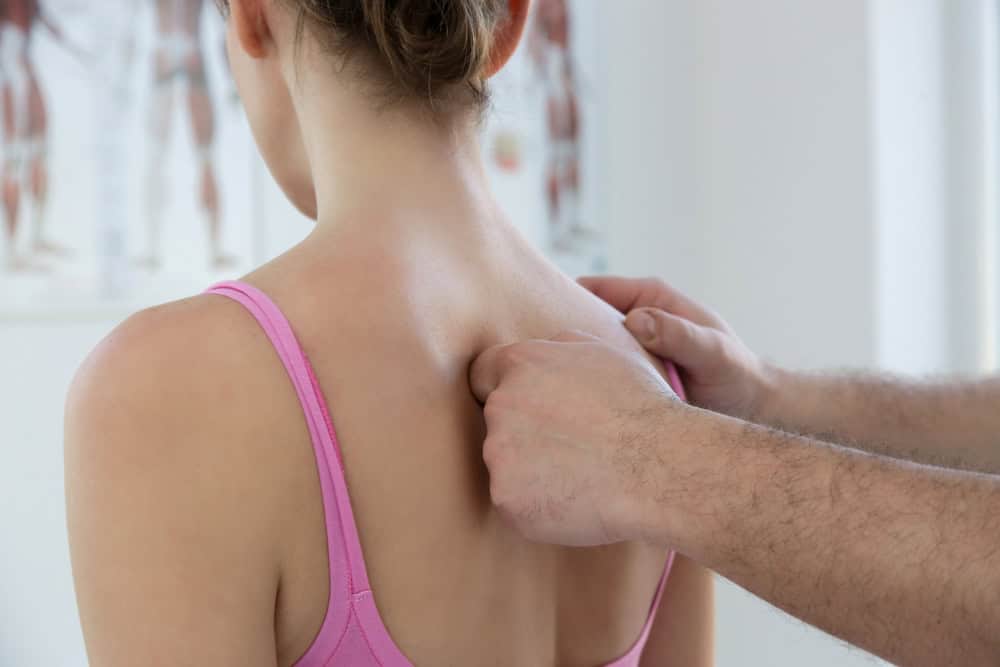
Adult scoliosis often becomes noticeable when pain, stiffness, or reduced tolerance for daily activity starts to interfere with work, exercise, or rest, and effective Scoliosis Treatment in adults focuses on restoring function, managing symptoms, and supporting long-term spinal health rather than chasing unrealistic structural change.
Understanding adult scoliosis
Adult scoliosis may be a continuation of a curve that developed earlier in life or a condition that emerges later due to age-related changes in discs, joints, and spinal stability.
Unlike adolescent scoliosis, adult presentation is often driven by symptoms such as pain, fatigue, nerve irritation, or reduced mobility rather than visible curvature alone.
Common challenges in adult scoliosis
As the spine adapts over time, adults with scoliosis often experience a combination of physical and functional challenges.
Persistent or activity-related pain
Uneven loading across joints and soft tissues can lead to ongoing back pain or pain that worsens with standing, walking, or prolonged sitting.
Stiffness and reduced mobility
Degenerative changes and long-standing muscle imbalance can limit spinal and rib movement, making everyday tasks feel effortful.
Fatigue and reduced endurance
Muscles working asymmetrically often fatigue faster, reducing tolerance for work, exercise, and social activities.
Nerve-related symptoms
In some cases, spinal degeneration combined with scoliosis can contribute to leg pain, numbness, or weakness that affects mobility.
Goals of adult scoliosis rehabilitation
Rehabilitation is guided by clear, functional goals that reflect the realities of adult life.
Reducing pain and symptom flare-ups
A primary goal is to reduce pain drivers by improving movement control, muscle balance, and spinal loading.
Improving posture and alignment control
While the curve itself may not change, better postural control can significantly reduce strain and discomfort.
Restoring confidence in movement
Many adults limit activity due to fear of pain or damage, and rehabilitation focuses on rebuilding trust in safe, supported movement.
Maintaining independence and activity
The long-term goal is to support continued participation in work, exercise, and daily life without constant limitation.
The role of assessment in adult rehabilitation
Effective rehabilitation begins with a detailed assessment that looks beyond imaging findings.
Posture and movement analysis
Standing, sitting, walking, and transitional movements are assessed to identify compensation patterns contributing to symptoms.
Strength and control evaluation
Core, hip, and trunk muscle function is assessed to understand how well the spine is supported during activity.
Symptom behaviour
Understanding when symptoms worsen or improve helps guide targeted intervention rather than generic exercise.
Physiotherapy strategies in adult scoliosis
Physiotherapy addresses the functional consequences of scoliosis with an active, evidence-led approach.
Core activation and stability
Rehabilitation focuses on restoring coordinated activation of deep stabilising muscles to support the spine during movement.
Postural education
Adults learn practical posture strategies for sitting, standing, and working that reduce cumulative strain without forcing rigid positions.
Targeted strengthening
Strengthening is tailored to address asymmetry and improve endurance, supporting daily demands rather than maximal load.
Mobility and flexibility work
Controlled mobility exercises address stiffness in restricted areas while protecting segments that require stability.
Managing degenerative scoliosis
Degenerative scoliosis requires particular attention to joint health and symptom management.
Load management
Physiotherapy helps distribute load more evenly across the spine and hips, reducing stress on irritated structures.
Activity modification
Small adjustments to daily routines can significantly improve comfort and reduce flare-ups.
Long-term resilience
The focus is on building tolerance and adaptability rather than avoiding activity.
Exercise progression for adults
Exercise programmes are progressed carefully to match lifestyle and recovery capacity.
Control before intensity
Exercises are progressed only when alignment and control are maintained consistently.
Functional relevance
Movements are selected and progressed based on work demands, hobbies, and fitness goals.
Managing recovery
Adequate recovery is prioritised to prevent symptom flare-ups and support sustainable progress.
Breathing and its role in adult scoliosis
Breathing mechanics often change with spinal alignment and can influence both posture and pain.
Supporting rib mobility
Targeted breathing techniques improve rib movement and reduce upper body tension.
Integrating breath with movement
Breathing is coordinated with exercise and daily tasks to support spinal stability.
Rehabilitation for active adults
Adults who exercise regularly or play sport benefit from tailored progression.
Returning to training safely
Rehabilitation supports a return to gym, running, or recreational sport with reduced injury risk.
Performance without overload
Exercises are progressed to support performance goals while respecting spinal tolerance.
Monitoring progress in adult rehabilitation
Progress is measured through meaningful outcomes rather than structural change alone.
Symptom trends
Reduced pain frequency and intensity indicate effective management.
Functional improvement
Better tolerance for work, exercise, and daily tasks reflects successful rehabilitation.
Movement confidence
Increased confidence to move without fear is a key indicator of progress.
Setting realistic expectations
Adult scoliosis rehabilitation is about improvement, not perfection.
With the right approach, many adults experience significant gains in comfort, movement quality, and quality of life, even when the spinal curve remains unchanged.
What to expect from an adult scoliosis rehabilitation plan
A structured plan explains what is contributing to your symptoms, how rehabilitation will address these factors, and how progress will be tracked over time.
If scoliosis has been limiting your comfort, activity, or confidence as an adult, the next step is a comprehensive assessment to create a personalised rehabilitation plan focused on function, resilience, and long-term spinal health.
