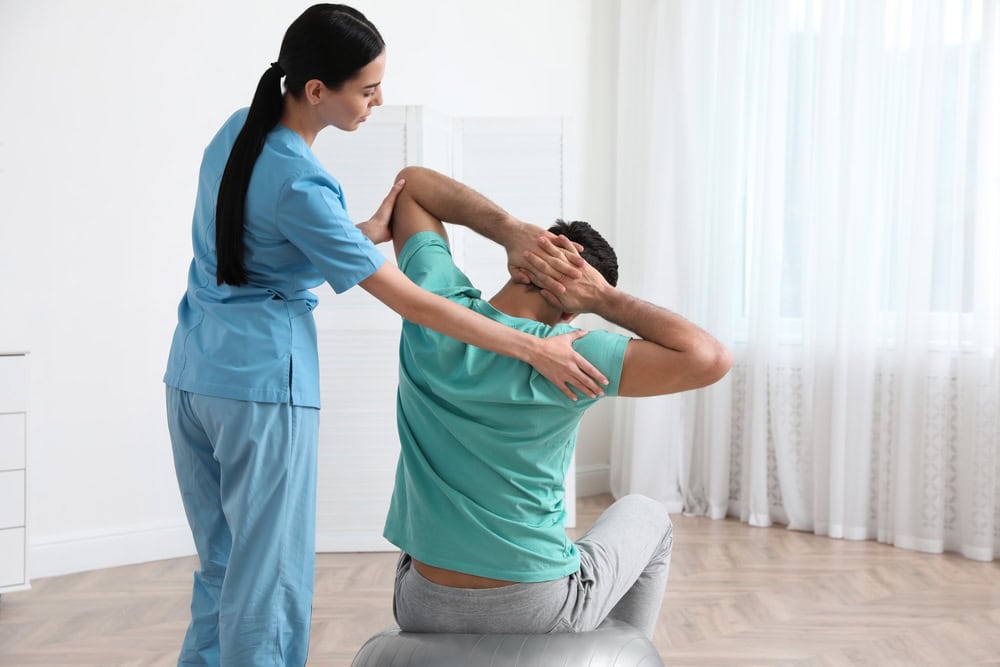
Scoliosis can subtly affect how your body senses position and maintains stability, which is why balance training is an important component of comprehensive Scoliosis Treatment, helping improve postural control, movement confidence, and safety in everyday activities.
Why balance is affected in scoliosis
Balance relies on coordinated input from the spine, muscles, joints, eyes, and inner ear, and scoliosis alters this system by changing spinal alignment, muscle activation patterns, and weight distribution.
Over time, these changes can lead to increased reliance on compensatory strategies that feel stable but reduce efficiency and increase fatigue.
How spinal curves influence balance
Spinal curvature and rotation affect how the body’s centre of mass is managed during movement and stillness.
Asymmetrical weight distribution
Many individuals with scoliosis habitually load one leg more than the other, which can reduce balance responsiveness and increase joint strain.
Altered proprioception
Changes in spinal position can affect proprioception, the body’s ability to sense where it is in space, making subtle balance corrections less automatic.
Compensatory muscle activation
Muscles on one side of the trunk or hips may overwork to maintain upright posture, leading to quicker fatigue and reduced balance endurance.
The role of balance training in scoliosis management
Balance training is not about standing on unstable surfaces alone, but about retraining the nervous system to manage posture and movement more efficiently.
Improving postural control
Targeted balance exercises help the body respond to small shifts in position without collapsing into the curve or overcorrecting.
Reducing fall risk
For adults, especially those with degenerative scoliosis, balance training supports safety and confidence during walking and daily tasks.
Enhancing movement confidence
As balance improves, many patients feel more secure during activity, reducing fear-driven avoidance of movement.
Balance versus strength in scoliosis
While strength is important, balance training addresses a different aspect of movement control.
Neuromuscular coordination
Balance exercises focus on timing, coordination, and responsiveness rather than muscle force alone.
Efficiency over effort
The goal is smoother, more economical movement, not increased muscle tension or rigidity.
Early balance training strategies
Balance work begins with simple, supported tasks that build awareness and control.
Static balance awareness
Exercises focus on maintaining upright posture with even weight distribution during standing.
Visual and tactile feedback
Mirrors or light touch cues help patients recognise asymmetry and make gentle adjustments.
Breathing integration
Breathing is coordinated with balance tasks to support core stability and reduce unnecessary tension.
Progressing to dynamic balance
Once basic control is established, balance exercises become more dynamic.
Weight shifting
Controlled shifting of weight helps retrain how forces move through the spine, hips, and legs.
Single-leg control
Single-leg tasks highlight asymmetries and improve lower limb and trunk coordination.
Controlled reaching
Reaching movements challenge balance while reinforcing postural control and spinal alignment.
Balance during walking and daily movement
Balance training is most effective when it translates into real-life activities.
Gait stability
Exercises address trunk control during walking to reduce side-to-side sway and uneven loading.
Transitions and turns
Practising controlled transitions, such as standing up or turning, improves stability and confidence.
Uneven surfaces
Progressions include managing balance on varied surfaces encountered in daily life.
Balance training for adolescents with scoliosis
In adolescents, balance training supports developing motor control during growth.
Body awareness development
Exercises help young patients understand how posture and alignment affect stability.
Supporting sport participation
Improved balance reduces injury risk and supports confidence in physical activities.
Encouraging positive movement habits
Training focuses on engagement and confidence rather than fear of imbalance.
Balance training for adults with scoliosis
Adults often experience balance challenges due to long-standing asymmetry or degenerative changes.
Managing fatigue-related instability
Balance work helps maintain control during prolonged standing or walking.
Supporting daily independence
Improved balance reduces reliance on compensatory movements during everyday tasks.
Addressing age-related changes
Balance training complements strength and mobility work to maintain function over time.
Integrating balance with other rehabilitation elements
Balance training does not exist in isolation and is most effective when combined with other strategies.
Core activation
Stable core engagement supports better balance responses.
Postural education
Understanding how posture affects balance helps reinforce training outcomes.
Mobility where needed
Adequate mobility allows balance corrections to occur without excessive strain.
Common mistakes in balance training
Avoiding common errors helps ensure balance training is beneficial.
Progressing too quickly
Introducing complex tasks before basic control is established can increase compensation.
Chasing difficulty rather than quality
Balance training should prioritise controlled alignment over challenging positions.
Ignoring symptom feedback
Persistent discomfort or instability indicates the need to modify the approach.
Measuring progress in balance training
Progress is measured by functional improvement rather than isolated test performance.
Improved stability during daily tasks
Standing, walking, and transitioning feel more controlled and less tiring.
Increased confidence
Reduced fear of losing balance reflects meaningful improvement.
Consistency under fatigue
Maintaining balance later in the day indicates improved neuromuscular endurance.
What to expect from a balance-focused plan
A structured balance programme explains why each exercise is included, how it supports your scoliosis management goals, and how it will progress safely.
If scoliosis has been affecting your stability, confidence, or safety during movement, the next step is a comprehensive assessment to determine how targeted balance training can support your posture, function, and long-term movement confidence.
