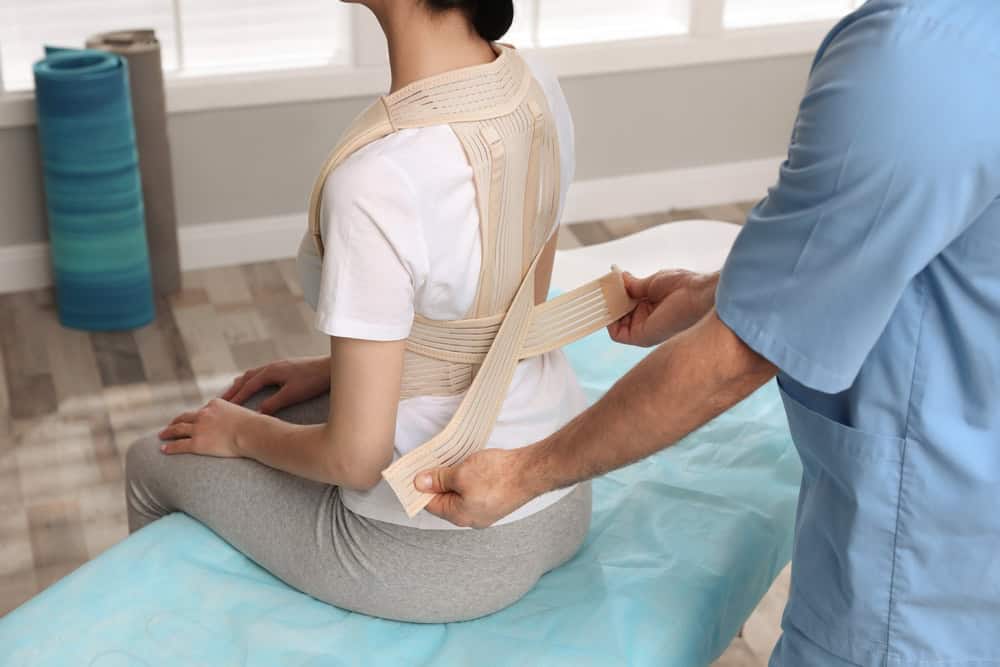
Breathing is often overlooked in scoliosis management, yet changes in spinal alignment and rib cage mechanics can significantly affect how efficiently you breathe, which is why targeted breathing techniques are an important part of effective Scoliosis Treatment, supporting posture, core control, comfort, and overall function.
Why breathing matters in scoliosis
Scoliosis affects the spine in three dimensions and this often alters the position and movement of the ribs, which can restrict expansion on one side of the chest and overload muscles on the other.
Over time, inefficient breathing patterns can contribute to muscle tension, fatigue, reduced exercise tolerance, and difficulty maintaining good posture, particularly during prolonged activity.
How scoliosis changes breathing mechanics
Normal breathing relies on coordinated movement between the diaphragm, rib cage, abdominal muscles, and spine, and scoliosis can disrupt this balance.
Rib cage asymmetry
Spinal rotation can compress ribs on one side while opening the opposite side, limiting symmetrical chest expansion during inhalation.
Reduced diaphragmatic efficiency
Altered posture and trunk alignment can change how effectively the diaphragm descends and supports breathing and spinal stability.
Overuse of accessory muscles
When breathing becomes inefficient, neck and shoulder muscles often compensate, increasing upper body tension and discomfort.
The role of breathing techniques in scoliosis management
Breathing techniques in physiotherapy are not focused on relaxation alone but are used strategically to support spinal alignment, core activation, and movement control.
Supporting postural correction
Directed breathing helps expand restricted areas of the rib cage, assisting with active postural correction and improved trunk symmetry.
Enhancing core stability
Breathing is closely linked to deep core muscles, and improved breathing patterns support better spinal stability during movement.
Reducing pain and muscle tension
Efficient breathing reduces unnecessary muscle overactivity, often leading to less tension in the neck, shoulders, and back.
Rotational breathing concepts
In scoliosis-specific physiotherapy, breathing is often combined with posture and movement to address the rotational component of the curve.
Breathing into restricted areas
Patients are taught how to direct inhalation toward areas of rib compression, encouraging mobility and awareness on the concave side of the curve.
Controlled exhalation for stability
Exhalation is used to support trunk control and maintain corrected posture without excessive effort or rigidity.
Breathing and posture connection
Posture and breathing influence each other continuously, and improving one often supports the other.
Breathing in sitting and standing
Patients learn how different postures affect breathing efficiency and how small adjustments can improve both comfort and alignment.
Reducing collapse patterns
Breathing techniques help prevent habitual collapse into the curve during prolonged sitting or standing.
Breathing during movement and exercise
Breathing techniques are integrated into movement so improvements carry over into daily activities.
Breath control during effort
Patients are guided on when to inhale and exhale during lifting, walking, or exercise to support spinal stability and reduce strain.
Improving exercise tolerance
More efficient breathing often leads to better endurance and confidence during physical activity.
Breathing techniques across different age groups
The focus of breathing work varies depending on age, curve severity, and functional goals.
Children and adolescents
Breathing techniques help build body awareness and support posture during growth without creating anxiety or excessive focus on correction.
Adults with scoliosis
In adults, breathing work often supports pain management, posture control, and reduced fatigue during work and daily tasks.
Moderate to severe curves
For individuals with more pronounced curves, breathing techniques can support chest mobility and respiratory efficiency during activity.
How breathing techniques are taught in physiotherapy
Breathing retraining is introduced progressively and tailored to individual needs.
Assessment of breathing patterns
Your physiotherapist assesses how you breathe at rest and during movement to identify restrictions or compensations.
Guided practice
Techniques are taught with clear cues and positioning to ensure effective rib expansion and diaphragmatic involvement.
Integration into daily routines
Breathing strategies are incorporated into posture, exercise, and daily activities so they become natural rather than forced.
Tracking progress and outcomes
Progress is reflected in improved posture control, reduced muscle tension, better exercise tolerance, and increased comfort during prolonged activities rather than changes in lung capacity alone.
What to expect from a breathing-focused plan
A clear plan explains how breathing supports your broader scoliosis management goals and how techniques should be applied in real-life situations.
If scoliosis has been affecting your posture, comfort, or endurance, the next step is a comprehensive assessment to determine how targeted breathing techniques can support your recovery, movement confidence, and long-term spinal health.
