
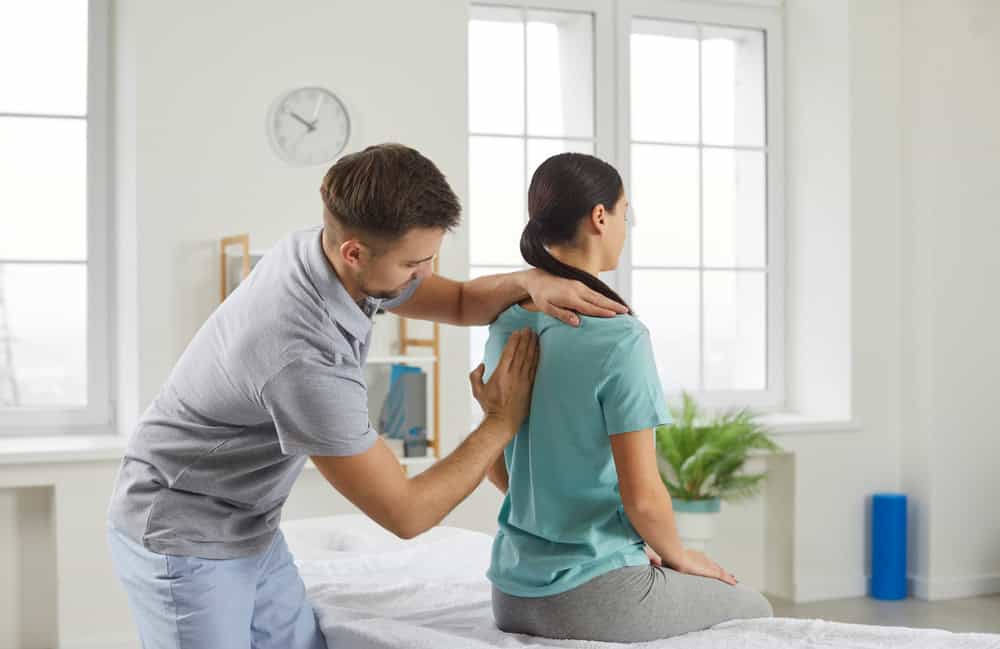
When scoliosis affects the spine, the muscles responsible for stability and movement control often work unevenly, which is why core activation is a foundational element of effective Scoliosis Treatment, helping restore balance, reduce strain, and support confident, efficient movement in daily life.
Why the core matters in scoliosis
The core is more than abdominal strength, as it includes deep muscles of the trunk, pelvis, diaphragm, and lower back that work together to stabilise the spine during every movement you make.
In scoliosis, these muscles often activate asymmetrically, with some areas overworking and others underperforming, which can increase spinal loading, fatigue, and pain if not addressed.
What core activation really means
Core activation is not about holding rigid positions or performing generic strengthening exercises, but about training the right muscles to engage at the right time and intensity to support spinal alignment and movement control.
Deep stabilising muscles
Muscles such as the transversus abdominis, multifidus, pelvic floor, and diaphragm play a key role in maintaining spinal stability, and effective physiotherapy focuses on restoring their coordinated function.
Dynamic rather than static control
The goal is to support the spine during movement, whether you are walking, lifting, reaching, or exercising, rather than bracing stiffly or avoiding activity.
How scoliosis disrupts core function
Scoliosis changes spinal alignment and rotation, which alters how muscles attach and generate force, often leading to predictable imbalances.
Asymmetrical muscle activation
One side of the trunk may become dominant and overactive, while the opposite side struggles to contribute effectively, reducing overall stability.
Reduced spinal awareness
Many people with scoliosis have difficulty sensing neutral or balanced positions, making unconscious compensation more likely during everyday tasks.
Increased fatigue and strain
When stabilising muscles do not share the workload evenly, superficial muscles work harder, leading to fatigue, stiffness, and discomfort over time.
Core activation goals in scoliosis management
Physiotherapy uses core activation with specific objectives that go beyond general fitness.
Improving spinal support
The primary goal is to provide consistent, balanced support to the spine so joints and discs are not exposed to unnecessary stress.
Enhancing postural control
Active core engagement helps you maintain better posture during sitting, standing, and movement without constant conscious effort.
Reducing pain and overload
As muscle coordination improves, uneven loading decreases, which often leads to reduced pain and greater tolerance for daily activities.
Core activation versus core strengthening
It is important to distinguish between activation and strengthening, as they serve different purposes in scoliosis care.
Activation comes first
Activation focuses on teaching muscles to switch on correctly and in sequence, which is essential before adding resistance or complexity.
Strength built on control
Once activation is consistent, strengthening exercises are introduced to build endurance and capacity without reinforcing asymmetry.
Breathing and core control
Breathing plays a critical role in core activation, particularly in scoliosis where rib cage mechanics may be altered.
The diaphragm connection
The diaphragm works with deep abdominal and pelvic muscles to regulate pressure and spinal stability, and inefficient breathing patterns can weaken this system.
Integrating breath with movement
Physiotherapy retrains breathing so it supports posture and movement rather than disrupting core control, especially during effort.
Functional core activation in daily life
Effective scoliosis management ensures core activation translates into real-world function.
Sitting and desk work
Core control helps reduce slumping and asymmetrical loading during prolonged sitting, which is a common trigger for discomfort.
Lifting and carrying
Proper activation protects the spine during lifting tasks, whether carrying groceries, children, or work equipment.
Walking and exercise
Balanced core engagement improves gait efficiency and reduces compensatory movement patterns during physical activity.
Core activation across age groups
The role of core activation varies depending on age and stage of scoliosis.
Children and adolescents
In younger individuals, core activation supports postural development, body awareness, and movement confidence during growth.
Adults with scoliosis
For adults, core activation is often central to pain management, fatigue reduction, and maintaining independence and activity levels.
Degenerative scoliosis
In degenerative cases, improved core control helps compensate for age-related changes in spinal structures and joint stability.
How core activation is taught in physiotherapy
Core activation is introduced progressively and with precision to ensure safety and effectiveness.
Individual assessment
Your physiotherapist assesses posture, movement patterns, breathing, and muscle activation to identify specific deficits.
Guided retraining
Exercises are taught with close guidance to ensure correct muscle engagement and avoid overcompensation.
Progressive integration
Activation is gradually integrated into functional movements and exercises relevant to your daily life and goals.
Tracking progress and outcomes
Progress is measured through improvements in pain levels, endurance, postural control, movement confidence, and functional capacity rather than isolated strength gains.
What to expect from a core-focused plan
A clear plan explains which muscles are being targeted, why they matter, and how they support your broader scoliosis management goals.
If scoliosis has been affecting your comfort, posture, or confidence in movement, the next step is a comprehensive assessment to determine how targeted core activation can support your recovery, function, and long-term spinal health.
