
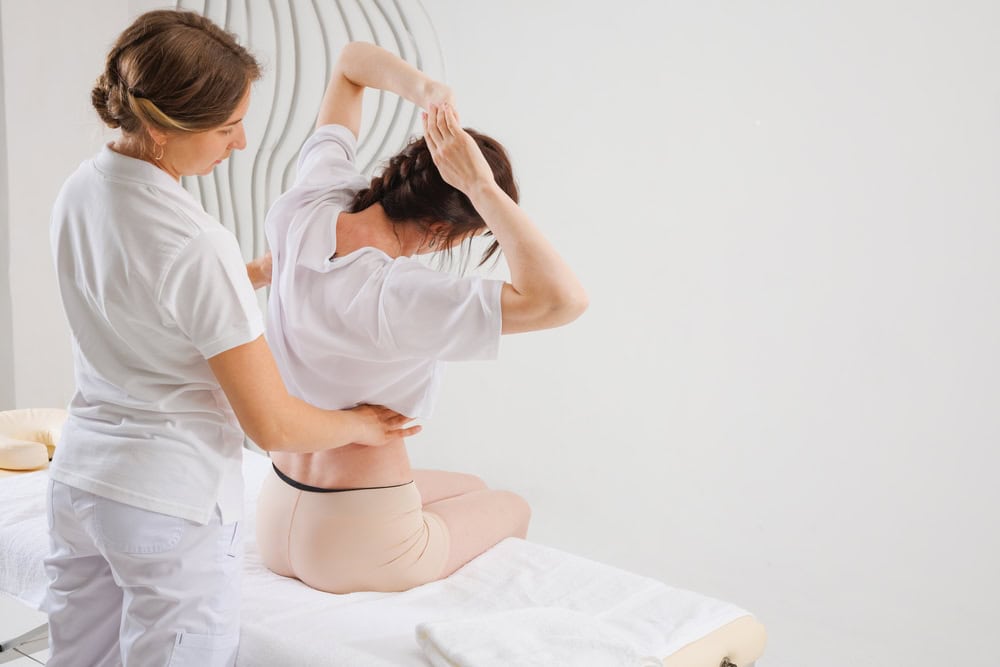
Rehabilitation for scoliosis is rarely successful in isolation, as progress is shaped not only by exercises and appointments but also by the environment surrounding the patient, which is why family support plays a critical role in effective Scoliosis Treatment, influencing confidence, consistency, and long-term outcomes.
Why family support matters in scoliosis rehabilitation
Scoliosis rehabilitation requires time, consistency, and emotional resilience, and having supportive family members can significantly improve a patient’s ability to stay engaged and motivated throughout the process.
Support does not mean constant supervision or pressure but rather creating a stable, understanding environment that reinforces healthy habits and reduces unnecessary stress.
The emotional impact of scoliosis on patients
Living with scoliosis can bring uncertainty, self-consciousness, and frustration, particularly during periods of growth, pain flare-ups, or slow progress.
Feeling understood
When family members acknowledge the physical and emotional challenges involved, patients are more likely to feel validated rather than isolated.
Reducing anxiety and fear
Clear reassurance from family can ease fears around progression, pain, or treatment decisions, especially when information is complex or overwhelming.
Maintaining motivation
Encouragement during difficult phases helps patients stay committed even when progress feels gradual.
Supporting consistency in rehabilitation
Consistency is one of the strongest predictors of rehabilitation success, and family support often determines whether routines are maintained.
Encouraging healthy routines
Simple reminders, shared schedules, or routine check-ins can help integrate exercises and posture strategies into daily life without creating pressure.
Creating a supportive environment
Providing space, time, and a calm setting for exercises makes adherence more achievable.
Avoiding over-monitoring
Supportive involvement respects independence and avoids turning rehabilitation into a source of tension or control.
The role of family in adolescent scoliosis rehabilitation
For adolescents, family involvement is particularly influential.
Balancing guidance and independence
Teenagers benefit from encouragement rather than constant correction, allowing them to take ownership of their rehabilitation.
Protecting self-esteem
Respectful language and privacy help reduce embarrassment or self-consciousness related to posture, braces, or exercises.
Supporting normal life
Helping adolescents stay involved in school, sport, and social activities reinforces that scoliosis does not define their identity.
Family support for adults in rehabilitation
Adults with scoliosis face different pressures, often balancing work, family responsibilities, and recovery.
Understanding fluctuating symptoms
Family awareness that pain and fatigue may vary helps reduce guilt or frustration during lower-energy periods.
Supporting activity modification
Practical adjustments, such as sharing physical tasks or supporting recovery time, can make rehabilitation more sustainable.
Encouraging long-term habits
Positive reinforcement supports continued exercise and posture strategies beyond the initial rehabilitation phase.
Communication between family and healthcare providers
Clear communication strengthens trust and alignment.
Understanding the rehabilitation plan
When family members understand goals and timelines, they are better equipped to provide appropriate support.
Avoiding misinformation
Accurate information reduces fear-driven advice or conflicting messages that may undermine progress.
Supporting shared decision-making
Family involvement in discussions, when appropriate, helps ensure decisions feel informed and collaborative.
Recognising unhelpful support patterns
Even well-intentioned support can sometimes hinder progress.
Excessive pressure
Constant reminders or unrealistic expectations can increase stress and reduce motivation.
Overprotection
Avoiding activity out of fear may lead to deconditioning and reduced confidence.
Minimising concerns
Dismissing discomfort or emotional responses can make patients less likely to communicate openly.
Creating a positive support environment
Effective family support is built on balance and understanding.
Listening first
Asking how the patient feels and what support they need encourages autonomy and trust.
Encouraging progress, not perfection
Celebrating small improvements helps maintain motivation and confidence.
Normalising setbacks
Understanding that progress is not linear reduces frustration during challenging phases.
The long-term role of family support
Scoliosis rehabilitation often extends beyond short-term treatment.
Supporting maintenance strategies
Family encouragement helps sustain exercise, activity, and posture habits over time.
Adapting to life changes
Support evolves as school demands, work responsibilities, or activity levels change.
Promoting independence
The ultimate goal is empowering the individual to manage their condition confidently and independently.
What effective family-supported rehabilitation looks like
When family support aligns with professional guidance, rehabilitation becomes more consistent, less stressful, and more effective.
If you or a family member are undergoing scoliosis rehabilitation, the next step is a comprehensive assessment and clear care plan that includes guidance on how family support can positively contribute to recovery, confidence, and long-term spinal health.
