
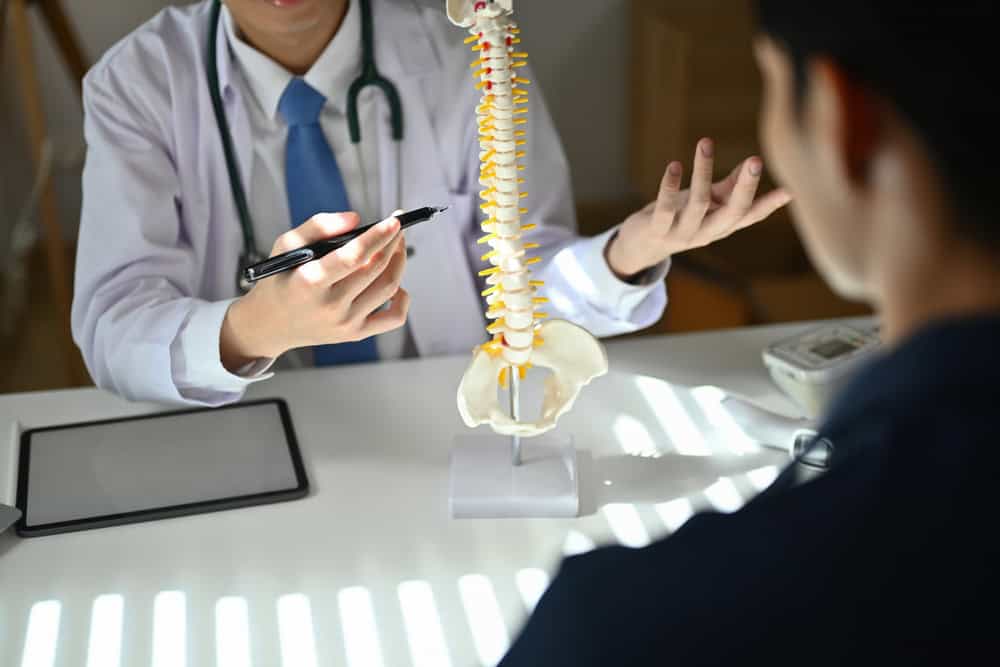
Scoliosis is often discussed in terms of posture, curves, and physical symptoms, but its psychological impact can be just as significant, which is why comprehensive Scoliosis Treatment considers emotional wellbeing alongside physical management, supporting confidence, resilience, and quality of life at every stage.
Why the psychological impact matters
Living with scoliosis can influence how a person thinks, feels, and behaves long before physical limitations become obvious, and these effects may persist even when pain is well managed.
Emotional responses are not a sign of weakness, they are a natural reaction to uncertainty, body awareness, and changes in how the body feels or is perceived.
Body image and self-perception
One of the most common psychological challenges associated with scoliosis relates to body image.
Awareness of asymmetry
Uneven shoulders, rib prominence, or changes in posture can increase self-consciousness, particularly during adolescence when body awareness is already heightened.
Clothing and appearance concerns
Some individuals become preoccupied with how clothes fit or how their body looks from certain angles, which can affect confidence in social or professional settings.
Internal versus external perception
Often, the individual is far more aware of their scoliosis than others are, yet this internal focus can still influence self-esteem and comfort.
Anxiety and uncertainty
Scoliosis can introduce ongoing uncertainty that affects emotional wellbeing.
Fear of progression
Concerns about curves worsening over time or during growth can create persistent background anxiety, particularly when information is unclear.
Worry about future limitations
Many people worry about long-term pain, work capacity, exercise ability, or the possibility of surgery, even when these outcomes are unlikely.
Medical monitoring stress
Regular check-ups and imaging can become emotionally taxing, especially if each review feels like a judgment on progress or failure.
Impact on adolescents
The psychological impact of scoliosis is often most pronounced during adolescence.
Identity and self-esteem
Teenagers are forming their sense of identity, and a diagnosis can make them feel different or singled out at a sensitive stage of development.
Peer comparison
School environments naturally encourage comparison, and concerns about posture, braces, or physical differences can affect social confidence.
Fear of standing out
Some adolescents avoid activities, swimming, or sports not because of pain but due to fear of being noticed.
Psychological impact in adults
Adults with scoliosis often experience different emotional challenges.
Chronic stress and fatigue
Managing ongoing discomfort, stiffness, or fatigue can be mentally draining, particularly when combined with work and family responsibilities.
Frustration with limitations
Adults may feel frustrated when scoliosis limits activities they once enjoyed or affects productivity.
Fear of dependency
Concerns about losing independence or needing ongoing care can weigh heavily, even when function remains good.
Fear of movement and avoidance
Psychological responses can influence physical behaviour.
Fear-based avoidance
Some individuals avoid movement or exercise out of fear of worsening their condition, even when activity would be beneficial.
Loss of confidence in the body
Uncertainty about what is safe can reduce trust in the body, leading to stiffness, deconditioning, and increased symptoms.
The pain-anxiety cycle
Anxiety can heighten pain perception, creating a cycle where fear and discomfort reinforce each other.
The emotional impact of bracing and treatment decisions
Management decisions can carry emotional weight.
Adjustment to bracing
For adolescents, wearing a brace can affect self-image, routine, and emotional wellbeing if not supported sensitively.
Decision-making pressure
Unclear explanations or rushed decisions around treatment options can increase stress and fear.
Feeling out of control
When care feels imposed rather than collaborative, patients may feel powerless or disengaged.
How psychological wellbeing affects outcomes
Mental and emotional health directly influence rehabilitation success.
Engagement with treatment
Confidence and understanding improve adherence to exercises and self-management strategies.
Resilience during setbacks
Flare-ups or slow progress are easier to manage when emotional resilience is supported.
Quality of life
Even when physical symptoms are mild, psychological distress can significantly reduce overall wellbeing if unaddressed.
The role of education and clarity
Clear information is one of the most effective tools for reducing psychological burden.
Understanding the condition
Knowing what scoliosis is, what it is not, and what is realistically expected reduces fear and misinformation.
Setting realistic expectations
Honest discussion about outcomes helps prevent disappointment and unnecessary worry.
Replacing fear with understanding
When patients understand their body, uncertainty is replaced with confidence and control.
How physiotherapy supports psychological wellbeing
Physiotherapy plays an important role beyond physical treatment.
Building confidence through movement
Guided, safe movement helps rebuild trust in the body and reduces fear-based avoidance.
Providing structure and reassurance
A clear plan with measurable goals creates a sense of direction and progress.
Supportive, human guidance
Feeling listened to and understood reduces anxiety and improves engagement.
The importance of support systems
Psychological wellbeing improves when support extends beyond the individual.
Family and caregiver understanding
Supportive, informed families help reduce pressure and unrealistic expectations.
School and workplace awareness
Reasonable adjustments and understanding environments reduce stress and self-consciousness.
Professional support when needed
In some cases, psychological support alongside physical care is valuable and appropriate.
Recognising when emotional support is needed
It is important to recognise signs that psychological impact is becoming significant.
Persistent anxiety or low mood
Ongoing worry, frustration, or sadness related to scoliosis should not be ignored.
Withdrawal from activity or social situations
Avoidance may signal fear or reduced confidence rather than physical limitation.
Excessive focus on the condition
When scoliosis dominates thoughts or decisions, additional support may be beneficial.
What balanced care looks like
Effective scoliosis care recognises that physical structure and emotional experience are closely linked.
By addressing movement, education, and psychological wellbeing together, management becomes more effective, sustainable, and empowering.
If scoliosis has been affecting not only your body but also your confidence, mood, or sense of control, the next step is a comprehensive assessment that considers both physical and psychological factors, ensuring care is supportive, transparent, and focused on your overall wellbeing.
