Living with scoliosis often means your body adapts quietly over time, developing postural habits that feel normal but place uneven stress on the spine, which is why postural education is a cornerstone of effective Scoliosis Treatment, helping you understand how your posture influences pain, function, and long-term spinal health.
Why posture matters in scoliosis
Scoliosis is not only about the shape of the spine but also about how the body organises itself around that shape during sitting, standing, walking, and daily tasks.
Poor or unbalanced posture can increase asymmetrical loading, muscle fatigue, and joint irritation, while informed, supported posture can reduce strain and improve comfort without forcing the body into rigid positions.
What postural education really means
Postural education is not about holding a perfect posture all day or correcting every visible asymmetry, but about learning how to position and move your body in ways that support spinal balance and efficiency.
Understanding your individual curve
Each scoliosis curve pattern affects posture differently, and education begins with helping you understand how your spine naturally aligns and where compensation tends to occur.
Awareness before correction
Many people with scoliosis are unaware of subtle shifts in weight, shoulder height, or pelvic position, and postural education develops awareness so adjustments can be made intentionally and safely.
Common postural challenges in scoliosis
Postural habits often develop gradually and are influenced by work demands, lifestyle, and long-standing compensation.
Uneven weight distribution
Standing more on one leg or shifting the pelvis to one side can increase spinal loading and muscle imbalance over time.
Asymmetrical sitting positions
Slouched or twisted sitting postures, particularly during desk work, can exacerbate discomfort and fatigue.
Head and shoulder positioning
Forward head posture or uneven shoulder elevation can strain the upper spine and surrounding muscles, especially in thoracic curves.
Goals of postural education in scoliosis management
Postural education is guided by functional goals rather than cosmetic appearance.
Reducing unnecessary strain
The primary goal is to minimise excessive stress on joints, discs, and muscles by improving alignment during common activities.
Supporting active correction
Patients learn how to actively adjust posture using muscle engagement rather than relying on passive support or rigid holding.
Improving endurance and comfort
Better posture allows muscles to work more efficiently, reducing fatigue during prolonged sitting, standing, or walking.
Postural education in daily activities
Education focuses on real-life situations where posture has the greatest impact.
Sitting and desk work
Guidance includes chair setup, screen height, and weight distribution strategies that support spinal balance without overcorrection.
Standing and waiting
Patients learn how to stand with more even loading and subtle activation rather than locking joints or leaning habitually.
Walking and movement transitions
Postural control during walking, turning, and transitions reduces compensatory patterns and improves movement efficiency.
Posture during exercise and physical activity
Exercise can reinforce either helpful or unhelpful postural patterns depending on how it is performed.
Technique awareness
Postural education ensures exercises are performed with appropriate alignment so they support spinal control rather than increase asymmetry.
Sport-specific posture
For active individuals, posture is addressed within the context of sport or training demands to reduce injury risk and support performance.
Postural education across different age groups
The focus of postural education adapts depending on age and stage of scoliosis.
Children and adolescents
Education emphasises body awareness, healthy movement habits, and confidence during growth rather than rigid correction.
Adults with scoliosis
For adults, the emphasis is often on managing work-related posture, reducing pain triggers, and maintaining long-term spinal health.
Degenerative scoliosis
In degenerative cases, postural strategies help manage joint loading and preserve mobility and independence.
How postural education is delivered in physiotherapy
Postural education is practical, progressive, and tailored to your lifestyle.
Individual assessment
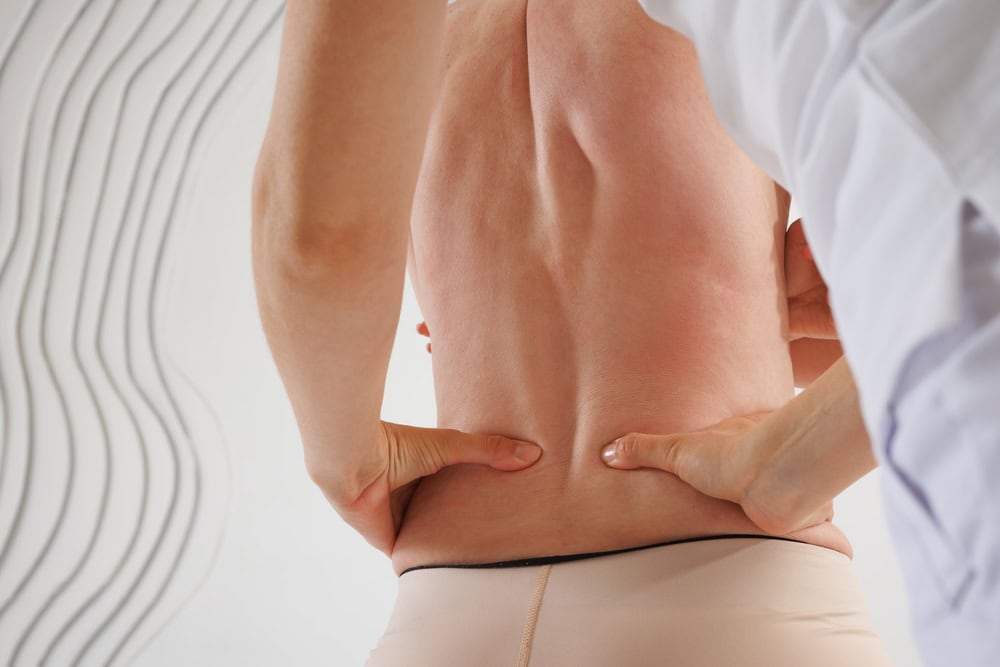
Your posture is assessed in various positions and activities to identify patterns that contribute to symptoms.
Clear, simple guidance
Education is delivered in clear language with visual and movement-based cues that are easy to apply outside the treatment setting.
Integration with exercise
Postural strategies are reinforced through specific exercises that build strength and control in corrected positions.
Measuring the impact of postural education
Progress is reflected in reduced pain, improved endurance, better movement confidence, and greater consistency in daily posture rather than perfect symmetry.
What to expect from a postural education plan
A structured plan explains what postural changes matter most for you, when to apply them, and how they fit into your broader rehabilitation goals.
If scoliosis has been influencing your posture, comfort, or confidence at work or in daily life, the next step is a comprehensive assessment to develop personalised postural education strategies that support long-term spinal health and functional progress.
