
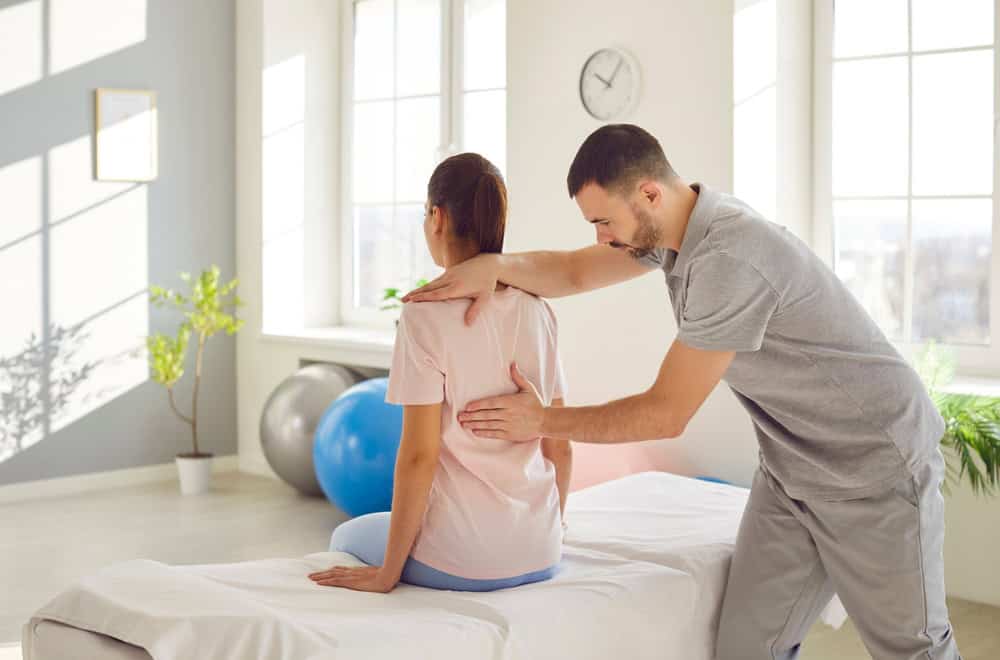
Staying active is not only safe for most people with scoliosis but often essential for long-term comfort, confidence, and function, which is why thoughtful sports and activity modifications are a key part of effective Scoliosis Treatment, allowing you to keep moving while reducing unnecessary strain on the spine.
Why activity modification matters in scoliosis
Scoliosis changes how load is distributed through the spine, ribs, pelvis, and limbs, meaning certain movements or volumes of activity may feel more demanding or lead to fatigue if not managed well.
Activity modification is not about restriction or avoidance but about adjusting how, when, and how much you move so activity supports recovery and performance rather than triggering symptoms.
Common misconceptions about sport and scoliosis
Many people receive outdated or overly cautious advice that limits activity unnecessarily.
Sport does not cause scoliosis
There is no evidence that sport participation causes scoliosis or automatically worsens spinal curves.
Exercise is not inherently dangerous
Most individuals with scoliosis can safely participate in sport with appropriate guidance and progression.
Avoidance often worsens outcomes
Reducing activity out of fear can lead to deconditioning, stiffness, and reduced confidence in movement.
General principles for modifying activity
Effective modification follows clear, practical principles rather than rigid rules.
Quality before quantity
Movement quality, posture, and control matter more than volume or intensity, especially during rehabilitation phases.
Symmetry where possible
Activities that encourage balanced use of both sides of the body are prioritised, particularly during early management.
Progression based on response
Activity levels are adjusted based on symptom response rather than fixed timelines.
Endurance activities and scoliosis
Endurance sports such as walking, cycling, swimming, and running can be beneficial but may require modification.
Walking
Walking is generally well tolerated and supports circulation, posture awareness, and endurance, though pacing and posture cues may be needed for longer distances.
Running
Running is often safe but may increase fatigue if trunk control is limited, and gradual progression with attention to technique is important.
Swimming
Swimming supports cardiovascular fitness, but stroke selection and breathing patterns should be considered to avoid reinforcing asymmetry.
Strength training considerations
Strength training is valuable for scoliosis management when performed with appropriate control.
Controlled loading
Loads are introduced gradually to ensure the spine is supported through proper technique and core engagement.
Exercise selection
Exercises are chosen to promote balanced strength rather than emphasising already dominant muscle patterns.
Avoiding fatigue-driven compensation
Sets and repetitions are adjusted to maintain quality rather than pushing through poor form.
Asymmetrical and rotational sports
Sports that involve repeated one-sided or rotational movements require particular attention.
Racket sports
Tennis and similar sports can be continued with focus on trunk control, recovery strategies, and counterbalancing exercises.
Golf
Golf places rotational demands on the spine, and swing mechanics, warm-up routines, and recovery are key areas for modification.
Throwing sports
Throwing activities benefit from technique refinement and strength balance to reduce unilateral overload.
Contact and high-impact sports
Contact sports are not automatically excluded but require individual assessment.
Understanding load tolerance
The spine’s ability to absorb impact and respond to sudden forces is assessed before participation.
Protective strategies
Strength, balance, and reaction training support safer participation in contact environments.
Monitoring symptom response
Post-activity symptoms guide ongoing participation and modification.
Sports participation during adolescence
For adolescents with scoliosis, remaining active supports both physical and psychological health.
Encouraging continued participation
Most adolescents benefit from staying involved in sport with guidance rather than withdrawal.
Managing growth-related fatigue
Training loads may need adjustment during growth spurts to reduce excessive strain.
Supporting confidence
Positive sport experiences help counter fear and self-consciousness related to posture or diagnosis.
Activity modification for adults with scoliosis
Adults often need modifications that reflect work demands, recovery capacity, and long-standing movement habits.
Balancing training and recovery
Recovery time becomes more important to prevent flare-ups and cumulative fatigue.
Adapting intensity
Intensity is adjusted to support consistency rather than episodic overloading.
Maintaining enjoyment
Activities are modified to remain enjoyable and sustainable rather than becoming a source of stress.
Recognising when activity needs adjustment
Listening to the body is essential for long-term success.
Persistent pain or stiffness
Symptoms that do not settle with rest indicate the need to reassess load or technique.
Reduced performance or confidence
Feeling unstable or hesitant during activity suggests movement control needs support.
Increasing fatigue
Excessive tiredness after routine activity often reflects inefficient movement or overload.
The role of physiotherapy in activity modification
Physiotherapy provides clarity and structure around safe participation.
Movement analysis
Specific movement patterns are assessed to identify where modification is needed.
Individualised guidance
Recommendations are tailored to the sport, curve type, and personal goals.
Gradual return to full activity
Clear progression plans reduce fear and support confidence.
Balancing protection and performance
The goal of activity modification is not to limit potential but to support it.
With appropriate guidance, most individuals with scoliosis can remain active, competitive, and confident without compromising spinal health.
If you are unsure how to adapt your sport or physical activity around scoliosis, the next step is a comprehensive assessment to develop personalised activity modifications that support safe participation, performance, and long-term movement confidence.
