
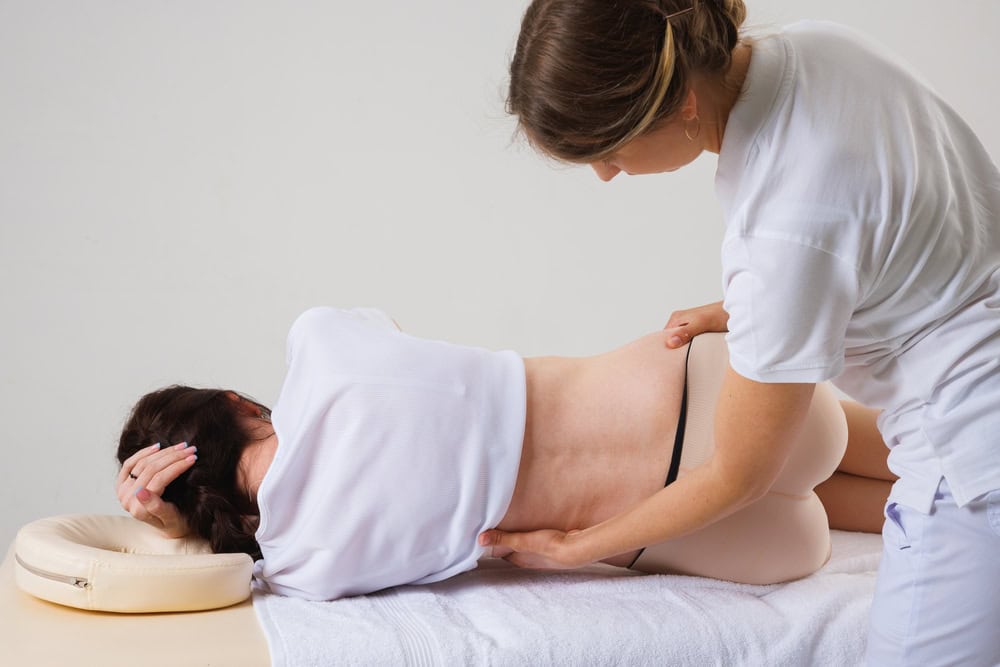
When scoliosis is diagnosed, especially if symptoms or curve measurements raise concern, many people understandably wonder whether surgery is inevitable or whether non-surgical options are sufficient, and this decision sits at the heart of effective Scoliosis Treatment, where the right path depends on evidence, function, risk, and long-term goals rather than fear or urgency.
Why this decision deserves careful consideration
Scoliosis exists on a wide spectrum, from mild, stable curves with minimal impact to more complex presentations that significantly affect function or quality of life.
Choosing between conservative management and surgery is not a binary choice for most people but a stepwise decision guided by curve behaviour, symptoms, age, growth stage, and response to rehabilitation.
What conservative management means
Conservative management refers to non-surgical approaches aimed at managing symptoms, supporting function, and, in certain cases, reducing the risk of progression.
Active, evidence-led care
Conservative care is not passive or observational only, as it typically includes physiotherapy, exercise-based rehabilitation, postural education, breathing strategies, and lifestyle guidance tailored to the individual.
Focus on function and quality of life
The primary objective is to help you move better, experience less pain, and maintain participation in work, family life, and physical activity.
Monitoring and adaptation
Conservative management includes regular monitoring so changes can be identified early and care adjusted as needed.
Who benefits most from conservative management
Many people with scoliosis achieve meaningful improvement without surgery.
Mild to moderate curves
Individuals with smaller or moderate curves that are stable or slow-changing often respond well to conservative strategies focused on movement control and load management.
Adults with scoliosis
In adults, conservative management is usually the first line of care, as surgery is rarely indicated based on curve size alone and symptoms often respond to rehabilitation.
Adolescents under monitoring
For adolescents who are still growing, conservative care supports posture, movement, and confidence while progression risk is monitored medically.
What conservative management can realistically achieve
Understanding realistic outcomes is essential for informed decision-making.
Pain reduction
By addressing muscle imbalance, joint stress, and movement patterns, conservative care often reduces pain significantly.
Improved posture and control
Physiotherapy helps improve active postural control even if the structural curve remains unchanged.
Better endurance and confidence
Many patients experience improved tolerance for sitting, standing, walking, and exercise.
Reduced reliance on passive care
Conservative management equips individuals with tools they can use independently.
Limitations of conservative management
While effective for many, conservative care has limits that should be acknowledged.
Structural correction is limited
Non-surgical approaches generally do not permanently straighten the spine in established structural curves.
Progression cannot always be prevented
In some growing adolescents or severe curves, progression may continue despite appropriate conservative care.
Consistency is required
Benefits depend on regular engagement with exercises and strategies over time.
What scoliosis surgery involves
Surgery for scoliosis typically aims to correct and stabilise the spine using internal fixation, most commonly spinal fusion.
The goal of surgery
The primary goal is to reduce curve magnitude and prevent further progression, particularly in severe or rapidly progressing cases.
When surgery is usually considered
Surgery is generally reserved for larger curves, significant progression risk, or cases where conservative management has failed to control symptoms or function.
The surgical process
Surgery involves significant intervention, recovery time, and rehabilitation, and is a major decision that requires careful medical evaluation.
Potential benefits of surgery
In selected cases, surgery can offer important benefits.
Structural correction
Surgery can achieve a level of curve correction that conservative care cannot.
Progression prevention
For high-risk curves, surgery can effectively stop further progression.
Improved balance
In some individuals, surgery improves overall spinal balance and alignment.
Risks and considerations of surgery
Surgery also carries significant considerations that must be weighed carefully.
Recovery and rehabilitation
Post-surgical recovery can take months and requires structured rehabilitation to restore strength and movement confidence.
Loss of spinal mobility
Fusion procedures limit movement in the fused segments, which can affect long-term mobility and load distribution.
Potential complications
As with any major surgery, there are risks including infection, nerve irritation, and the possibility of further intervention.
Conservative management before surgery
Even when surgery is being considered, conservative management plays an important role.
Pre-surgical preparation
Improving strength, posture, and conditioning before surgery can support better recovery outcomes.
Clarifying necessity
Structured conservative care helps determine whether surgery is truly required or whether symptoms can be managed non-surgically.
Conservative care after surgery
Rehabilitation remains essential following surgical intervention.
Restoring movement confidence
Physiotherapy supports safe return to daily activities and exercise.
Protecting adjacent segments
Post-surgical care focuses on protecting unfused spinal segments from overload.
Long-term function
Rehabilitation aims to maximise function within the new spinal structure.
How decisions are best made
The choice between conservative management and surgery should be guided by a team-based approach that considers clinical findings, imaging, symptoms, lifestyle, and personal goals.
Rushed decisions based on curve size alone often overlook functional outcomes and quality of life.
Setting realistic expectations
Neither conservative management nor surgery is a universal solution.
Conservative care prioritises function, comfort, and independence, while surgery prioritises structural control and progression prevention in selected cases.
What to expect from a balanced management pathway
A responsible care pathway explains why a particular approach is recommended, what outcomes are realistic, and how progress will be monitored over time.
If you or your child are facing decisions about scoliosis management, the next step is a comprehensive assessment to understand the nature of the curve, current symptoms, and long-term goals, ensuring any decision around conservative care or surgery is informed, measured, and appropriate.
