
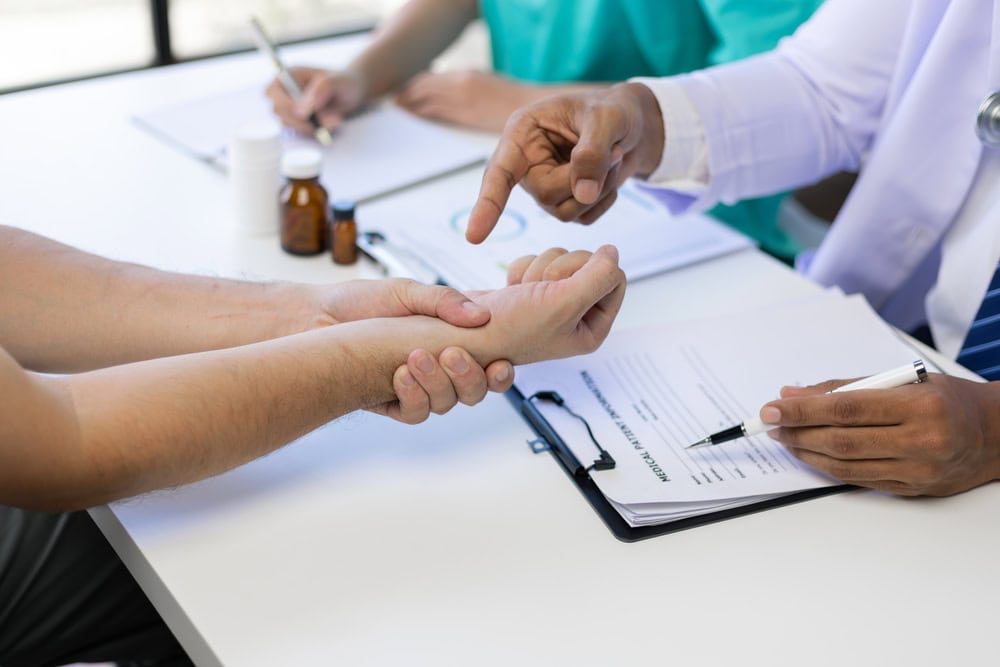
Numbness, tingling, burning pain, or weakness in the hand can make everyday tasks feel uncertain and frustrating. These symptoms are often linked to neuropathies, conditions that affect how nerves transmit signals to and from the hand. When nerve function is disrupted, grip, coordination, and sensation can all suffer. At Adam Vital Physiotherapy & Rehabilitation Center, our approach to Wrist & Hand Physiotherapy focuses on identifying where and why nerve irritation is occurring, reducing contributing stress, and restoring confident hand function through a clear, evidence-based plan.
What neuropathy means in the hand
Neuropathy refers to dysfunction of a nerve. In the hand, this may involve compression, irritation, reduced mobility, or altered sensitivity of nerves that control sensation and muscle activation. Because nerves supply both feeling and movement, symptoms can include sensory changes, weakness, clumsiness, or a combination of all three.
Hand neuropathies are not always isolated to the hand itself. Nerves travel from the neck, through the shoulder and arm, and into the hand. Irritation at any point along this pathway can influence hand symptoms, which is why assessment must look beyond the site of pain.
Common neuropathies affecting hand function
Several nerve conditions commonly affect hand performance and comfort.
Median nerve involvement
The median nerve supplies sensation to the thumb, index, middle, and part of the ring finger, as well as strength to important thumb muscles. When irritated, symptoms may include tingling, numbness, weakness with pinching, and reduced fine motor control. Symptoms often worsen at night or with prolonged wrist positioning.
Ulnar nerve involvement
The ulnar nerve affects the little finger and part of the ring finger and plays a key role in grip strength and finger coordination. Irritation can cause numbness, tingling, reduced grip endurance, and difficulty with tasks requiring finger control. Symptoms may be aggravated by prolonged elbow bending or pressure.
Radial nerve involvement
The radial nerve contributes to wrist and finger extension and sensation on the back of the hand. When affected, people may experience weakness in lifting the wrist or fingers, aching in the forearm, or altered sensation over the thumb side of the hand.
In some cases, multiple nerves may be involved, especially when posture, workload, or systemic factors contribute.
Why neuropathies develop
Neuropathies often develop when nerves are exposed to sustained compression, tension, or irritation. This can occur gradually and without a single clear injury.
Common contributing factors
Repetitive hand use, prolonged static postures, poorly supported work setups, and high cumulative workload are frequent contributors. Previous injuries, swelling, or scar tissue can also restrict nerve movement. In some individuals, systemic conditions such as diabetes or inflammatory disorders increase nerve sensitivity.
Importantly, nerve symptoms are not always a sign of permanent damage. In many cases, they reflect a nerve that is irritated and sensitised, rather than injured.
How neuropathies affect function
Nerve dysfunction alters how muscles activate and how the brain receives sensory information. This can lead to weakness that feels disproportionate to effort, clumsiness with fine tasks, or an unreliable grip.
People may compensate by gripping harder, changing wrist position, or avoiding certain movements. While understandable, these strategies often increase strain on other tissues and can worsen symptoms over time.
Assessment that identifies the driver
Effective management starts with understanding which nerve is involved and why it is irritated. Our assessment is designed to provide clarity rather than confusion.
What we assess
We assess symptom distribution, strength patterns, sensation, and how symptoms respond to movement and position. We also examine nerve mobility, joint mechanics, muscle balance, and posture from the neck to the hand. Functional tasks such as gripping, typing, or lifting are observed to identify aggravating patterns.
This assessment allows us to explain where the nerve is under stress and what changes will reduce irritation.
Physiotherapy management for hand neuropathies
Management aims to calm the nerve, restore normal movement, and rebuild functional capacity. Treatment is always matched to symptom severity and irritability.
Reducing nerve irritation
Early management often focuses on reducing positions and loads that provoke symptoms. This may include activity modification, posture adjustments, and strategies to improve support during work or daily tasks. Manual therapy may be used to reduce excessive muscle tension or joint restriction that contributes to nerve stress.
Education is key. Understanding that nerves respond to movement and load helps reduce fear and unnecessary guarding.
Nerve mobility exercises
Specific nerve mobility exercises may be prescribed to improve how the nerve glides within surrounding tissues. These exercises are gentle and controlled, designed to restore normal movement without overstretching or provoking sharp symptoms.
Dosage is carefully managed. More is not better when nerves are sensitive.
Restoring strength and coordination
As symptoms settle, strengthening and coordination exercises are introduced to restore hand function. This includes grip, pinch, and task-specific control. Exercises are progressed gradually so the nerve adapts without flare-ups.
We also address supporting muscles in the forearm, shoulder, and upper back to reduce ongoing nerve load.
The role of ergonomics and daily habits
Neuropathies are strongly influenced by how the hand and arm are used throughout the day.
Work and lifestyle factors
Adjustments to desk setup, device use, and work-rest patterns often play a significant role in symptom reduction. For active individuals, training modifications help maintain fitness while protecting nerve health.
These changes are practical and realistic, designed to fit into busy routines in Dubai.
What to expect during recovery
Nerve symptoms often fluctuate. Tingling and numbness may reduce gradually, while strength and coordination improve over time. Early improvements often include fewer night symptoms and better tolerance to daily tasks.
Recovery timelines vary depending on how long symptoms have been present and how consistently the plan is followed. We track progress using functional measures rather than pain alone.
When medical input is needed
In some cases, additional medical investigation may be required, particularly if symptoms are severe, progressive, or associated with significant weakness. Physiotherapy works alongside medical care to support optimal outcomes.
Even when medical interventions are required, rehabilitation remains essential for restoring function.
Preventing recurrence
Long-term nerve health depends on balanced load, regular movement, and adequate strength. We help you recognise early warning signs and adjust activity before symptoms escalate.
Education and self-management strategies are part of care, supporting confidence beyond treatment sessions.
Take the next step
If numbness, tingling, or weakness is affecting your hand function or confidence, a structured assessment can provide clarity and direction. We will guide you through a personalised plan focused on restoring nerve health and reliable hand use.
Conclusion: Neuropathies affecting hand function can disrupt strength, sensation, and coordination, but they respond well to targeted, evidence-based physiotherapy. By identifying the source of nerve irritation, reducing contributing stress, and rebuilding capacity gradually, hand function can improve. Clear guidance and consistent care support recovery and confident return to daily activities.
