
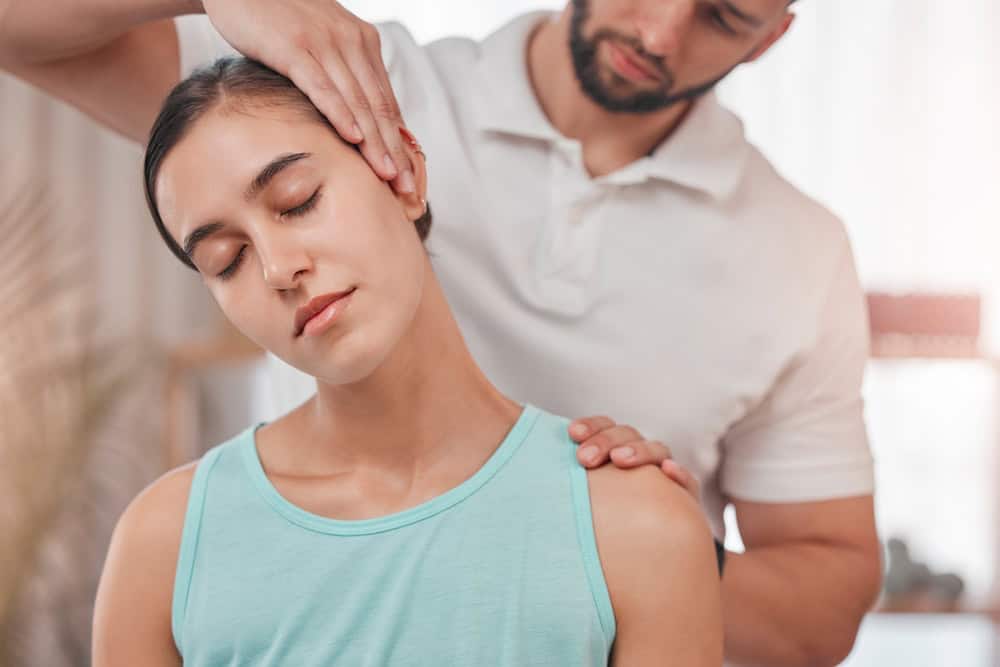
Neck pain and stiffness are often influenced by how well your shoulder blades support movement and posture, yet this connection is frequently overlooked; improving scapular control through guided Neck Pain Physiotherapy helps reduce neck strain, improve endurance, and restore confident movement during work, exercise, and daily life.
Why scapular control matters for the neck
The shoulder blades act as a stable base for arm and neck movement, and when this base is unstable or poorly coordinated, the neck muscles are forced to compensate, increasing fatigue and discomfort over time.
The neck and shoulder relationship
Neck muscles assist with shoulder blade positioning during arm use and posture, so poor scapular control often leads to increased neck muscle activity even at rest.
Load transfer and efficiency
Well-controlled shoulder blades distribute load through the upper back rather than concentrating stress in the cervical spine.
Common signs of poor scapular support
Scapular control issues often present subtly and develop gradually.
Neck fatigue during desk work
Aching or tightness that worsens through the day often reflects reduced endurance in the shoulder blade stabilisers.
Shoulder elevation and tension
Habitual shoulder shrugging during stress or screen use increases sustained neck muscle loading.
Pain during arm movement
Reaching, lifting, or overhead tasks may aggravate the neck when scapular movement is poorly coordinated.
Assessment before scapular training
Effective scapular control training begins with understanding how your shoulders and neck move together.
Posture and movement observation
Assessment looks at resting posture, arm elevation, and dynamic tasks to identify compensations that increase neck strain.
Strength and endurance testing
Testing identifies whether weakness, poor timing, or fatigue in scapular muscles is driving symptoms.
Key muscles involved in scapular control
Several muscles work together to position and stabilise the shoulder blades.
Lower and middle trapezius
These muscles support upward rotation and posterior tilt of the shoulder blade, reducing the need for neck muscles to overwork.
Serratus anterior
This muscle helps maintain smooth scapular movement during reaching and overhead activity.
Upper trapezius balance
While active during arm movement, excessive dominance of this muscle often contributes to neck tension.
How poor scapular control affects neck pain
When shoulder blade support is insufficient, the neck compensates in predictable ways.
Increased muscle tone
Neck muscles remain active for longer periods to stabilise the shoulders, leading to fatigue and trigger point development.
Reduced movement confidence
Protective tension limits neck and shoulder motion, reinforcing stiffness and discomfort.
Early scapular control strategies
Initial exercises focus on awareness and low-load activation.
Postural awareness exercises
Learning to recognise relaxed yet supported shoulder positioning reduces habitual tension.
Low-load activation drills
Gentle exercises retrain scapular muscles without provoking neck symptoms.
Progressive strengthening for support
As control improves, strengthening builds endurance and resilience.
Endurance-based exercises
Scapular muscles require sustained low-level activity during desk work, so endurance training is prioritised over maximal strength.
Functional movement integration
Exercises progress to mimic daily tasks such as typing, lifting, or reaching.
Integrating scapular control with neck rehabilitation
Scapular training works best when combined with direct neck exercises.
Reducing neck muscle overload
Improved shoulder blade support allows neck muscles to relax during static and dynamic tasks.
Enhancing posture tolerance
Better scapular endurance improves comfort during prolonged sitting and screen use.
Work and lifestyle considerations
Daily habits strongly influence scapular and neck interaction.
Desk and screen habits
Keyboard reach and screen height affect how much the shoulders elevate during work.
Stress and shoulder tension
Emotional stress often increases shoulder elevation, reinforcing poor scapular patterns.
Sport and activity relevance
Active individuals place higher demands on scapular control.
Overhead and lifting activities
Sports and gym exercises require coordinated shoulder blade movement to protect the neck.
Return-to-activity support
Improved scapular control supports safer return to training and reduces recurrence risk.
Expected progress and timelines
Scapular control improvements develop with consistent practice.
Early changes
Many people notice reduced neck tension and better posture awareness within weeks.
Long-term benefits
Endurance and resilience improve gradually, supporting sustained neck comfort.
When scapular control alone is not enough
Persistent symptoms may involve additional contributing factors.
Neck mobility or nerve sensitivity
Other structures may require targeted treatment alongside scapular training.
Comprehensive rehabilitation
An integrated plan ensures all drivers of neck pain are addressed.
Conclusion
Scapular control for neck support is a key component of long-term neck health, reducing muscle overload and improving movement efficiency rather than masking symptoms; with assessment-led training and gradual progression, shoulder blade support becomes automatic and protective, and the next step is to book an assessment so your neck and shoulder mechanics can be evaluated and guided toward lasting comfort and performance.
