
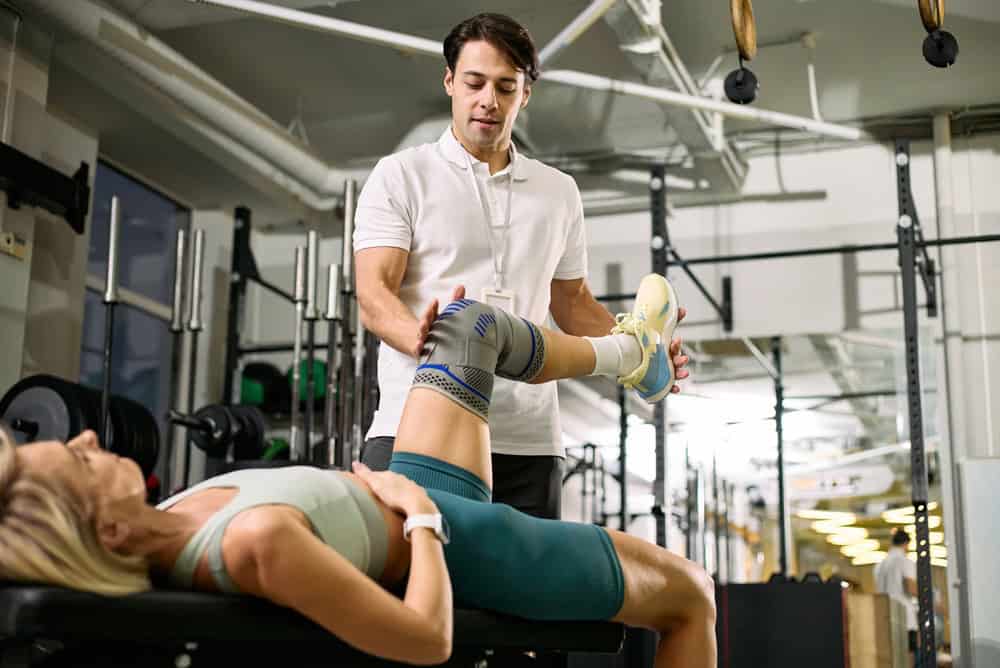
Post surgical knee pain is a common and expected part of recovery, whether surgery was performed for ligament repair, meniscus treatment, joint replacement, or cartilage procedures. While pain can feel concerning, it does not mean something is wrong. What matters most is how pain is managed so healing progresses without unnecessary stiffness, weakness, or loss of confidence. A structured approach through Knee Pain Physiotherapy focuses on reducing pain safely while restoring movement, strength, and trust in the knee step by step.
Understanding post surgical knee pain
After surgery, pain is influenced by tissue healing, swelling, muscle inhibition, and changes in how the nervous system processes sensation. Pain levels often fluctuate, improving overall but temporarily increasing after activity, exercises, or longer days on your feet. This pattern is normal and does not automatically indicate damage or failed recovery.
Why pain management matters for recovery
Unmanaged pain can slow rehabilitation by limiting movement and muscle activation. When pain leads to excessive guarding or avoidance, stiffness and weakness develop, making later stages of recovery more difficult. Effective pain management allows you to move earlier, exercise with better quality, and progress rehabilitation more confidently.
Principles of managing post surgical knee pain
Successful pain management balances protection with movement. The goal is not complete pain elimination in the early stages, but steady improvement while supporting healing tissues.
Respect tissue healing timelines
Each surgical procedure has specific healing phases. Pain management strategies are chosen to protect the surgical site while encouraging safe movement that supports circulation and recovery.
Progress based on response, not fear
Mild to moderate discomfort during rehabilitation is common. Pain that settles within a predictable timeframe is usually acceptable, while sharp or escalating pain signals the need to adjust load or technique.
Consistency over intensity
Frequent, well guided movement is more effective than sporadic high effort sessions. Consistency supports pain modulation and functional recovery.
Early stage pain management strategies
The early post surgical phase focuses on calming the knee and restoring basic function.
Swelling and inflammation control
Swelling is a major contributor to pain and muscle inhibition. Strategies may include compression, elevation, and controlled movement to encourage fluid circulation and reduce joint pressure.
Gentle range of motion exercises
Early movement helps prevent stiffness and reduces pain sensitivity. Exercises are introduced within safe limits to restore bending and straightening without stressing healing tissue.
Muscle re activation
Pain and swelling often inhibit quadriceps activation. Gentle activation exercises help restore control, which in turn improves joint stability and pain tolerance.
Role of physiotherapy in pain management
Physiotherapy provides structured guidance during each stage of recovery.
Assessment guided progression
Ongoing assessment ensures exercises and activities match your current capacity. Adjustments are made based on swelling response, movement quality, and pain behaviour.
Manual therapy support
Hands on techniques may be used to reduce stiffness, improve joint mobility, and ease surrounding muscle tension. These techniques support movement rather than replacing active rehabilitation.
Education and reassurance
Understanding what pain is normal and what is not reduces anxiety. Clear explanations help you engage with rehabilitation confidently rather than cautiously.
Managing pain during exercise and daily activity
Rehabilitation exercises are essential, but pain response must be monitored.
Acceptable discomfort guidelines
Mild discomfort during or after exercise is often acceptable if it settles within a reasonable timeframe and does not cause swelling escalation the next day.
Activity pacing
Breaking activities into manageable blocks prevents overload. This approach allows you to stay active while respecting healing capacity.
Sleep and recovery considerations
Pain can disrupt sleep, which in turn affects recovery. Positioning strategies, gentle evening movement, and consistent routines help improve rest quality.
Mid stage pain management and progression
As healing progresses, pain management shifts toward building tolerance and resilience.
Strength based pain reduction
Improving strength around the knee reduces joint stress and improves pain control during movement. Stronger muscles absorb load more effectively.
Movement confidence rebuilding
Gradual exposure to functional tasks such as stairs or longer walks helps reduce pain related fear and improves confidence.
Reducing reliance on passive strategies
As recovery advances, reliance on modalities decreases. Active movement becomes the primary driver of pain improvement.
Longer term pain considerations after surgery
Some individuals experience ongoing pain beyond early healing phases.
Addressing lingering stiffness or weakness
Persistent pain is often linked to incomplete strength or mobility recovery rather than surgical issues. Targeted rehabilitation addresses these gaps.
Managing flare ups
Temporary increases in pain can occur with activity progression. Adjusting load rather than stopping completely helps maintain progress.
Psychological factors and pain
Fear of movement or re injury can amplify pain perception. Education, graded exposure, and reassurance help recalibrate confidence.
What progress typically looks like
Most people notice gradual reductions in baseline pain, improved movement ease, and quicker recovery after activity. Pain becomes more predictable and manageable as strength and control improve. Progress is measured by function and confidence, not the complete absence of sensation.
When to seek review
Persistent worsening pain, increasing swelling, or sudden loss of movement should be reviewed promptly. Early reassessment helps identify and address issues before they delay recovery.
Supporting long term knee comfort
Ongoing exercise, load awareness, and movement quality support long term comfort after surgery. Understanding how to respond to symptoms empowers you to manage recovery proactively.
Your next step
If post surgical knee pain is limiting your recovery or confidence, a structured physiotherapy assessment can provide clarity and reassurance. With guided progression, clear expectations, and supportive care, pain can be managed effectively while strength and function are restored. Book an assessment to begin a steady, well supported pathway toward comfortable, confident knee movement after surgery.
