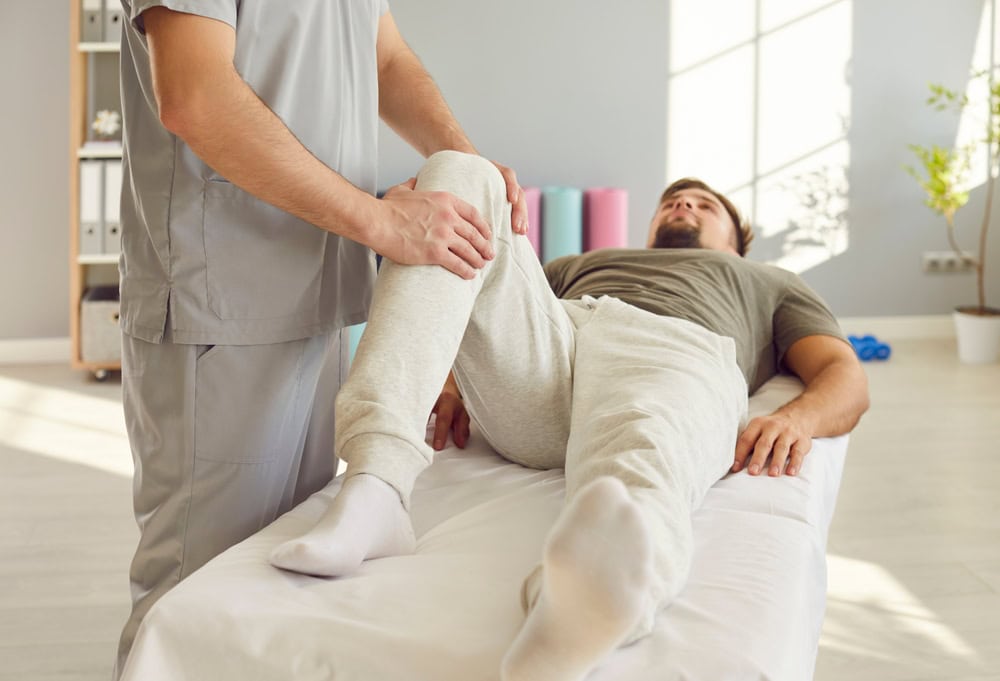
Knee injuries often develop gradually rather than from a single moment, especially in active individuals, athletes, and busy professionals who place repeated demands on their bodies. Many knee injuries are preventable when the right foundations are in place. Prevention is not about avoiding movement, but about preparing the knee to tolerate load, speed, and change confidently. Within Knee Pain Physiotherapy, prevention focuses on building resilient movement patterns that protect the knee during sport, work, and daily life.
Why knee injury prevention matters
Knee injuries can lead to long recovery periods, time away from sport or work, and long term movement limitations if not managed well. Even minor injuries can alter movement patterns, increasing the risk of further problems. Prevention strategies aim to reduce injury risk while supporting performance, confidence, and longevity.
Understanding how knee injuries develop
Most knee injuries occur when load exceeds the knee’s capacity to absorb and control force. This may happen suddenly during high speed movement or gradually through repeated stress without adequate recovery.
Load exceeding tissue tolerance
Sudden increases in training volume, intensity, or frequency can overload the knee. Without time to adapt, tissues become irritated and vulnerable.
Poor movement control
When alignment and control are lacking, forces concentrate on specific knee structures. Over time, this increases injury risk even with moderate activity levels.
Fatigue related breakdown
As fatigue sets in, movement quality often deteriorates. Many knee injuries occur late in training sessions or matches when control is reduced.
Strength as the foundation of knee injury prevention
Strong muscles absorb and distribute force, reducing stress on passive knee structures.
Quadriceps and hamstring strength
Balanced strength between the quadriceps and hamstrings supports knee stability during acceleration, deceleration, and landing. Weakness or imbalance increases strain on ligaments and joint surfaces.
Hip and gluteal strength
The hips play a major role in controlling thigh position. Strong hip muscles reduce inward knee collapse and help manage rotational forces during movement.
Calf and ankle strength
The calves assist with shock absorption and control forward movement. Adequate strength here reduces load transmitted to the knee during running and jumping.
Movement quality and alignment
How you move is just as important as how strong you are.
Controlled knee alignment
Maintaining good knee alignment during squatting, landing, and stepping reduces uneven joint loading. Excessive inward or outward movement increases injury risk.
Efficient force absorption
Learning to absorb force through the hips and legs rather than relying on the knee alone protects joint structures during high load tasks.
Symmetry between sides
Side to side differences in strength or control increase injury risk. Regular assessment helps identify and address these imbalances early.
Balance and proprioception training
Good balance and joint awareness allow the knee to respond quickly to unexpected changes.
Joint awareness and reaction
Improved proprioception helps the knee adjust position automatically during uneven ground, sudden stops, or changes in direction.
Reducing giving way episodes
Balance training improves neuromuscular control, reducing the likelihood of instability during sport or daily movement.
Managing training load and recovery
Injury prevention is closely linked to how load and recovery are managed.
Gradual progression
Increasing training volume or intensity gradually allows tissues time to adapt. Sudden spikes are a common cause of knee injury.
Planned recovery
Recovery days are essential. Adequate rest supports tissue repair and maintains movement quality.
Monitoring early warning signs
Persistent soreness, swelling, or reduced performance are signs load may need adjustment. Responding early prevents minor issues from becoming injuries.
Warm up and preparation strategies
Preparing the body before activity reduces injury risk.
Dynamic warm ups
Warm ups that include movement, activation, and gradual intensity prepare muscles and joints for load more effectively than static stretching alone.
Sport specific preparation
Including movements that reflect upcoming activity improves readiness and reduces injury risk during the session.
Footwear and surface considerations
External factors influence knee load.
Appropriate footwear
Shoes should suit your activity, surface, and biomechanics. Worn or unsuitable footwear can alter force distribution and increase knee stress.
Surface awareness
Repeated training on hard or uneven surfaces increases joint stress. Varying terrain where possible reduces cumulative load.
Preventing knee injuries in sport
Athletes face additional demands that require targeted prevention strategies.
Technique refinement
Proper landing, cutting, and deceleration techniques reduce knee stress during high speed movement.
Fatigue resistant training
Training to maintain control under fatigue prepares the knee for late game demands.
Regular screening
Periodic assessment identifies emerging risk factors before injury occurs.
Preventing knee injuries in daily life
Prevention is not limited to sport.
Workplace movement habits
Prolonged sitting, repetitive kneeling, or heavy lifting can strain the knee. Improving movement habits and strength reduces risk.
Maintaining general activity
Regular physical activity supports joint health and resilience, reducing injury risk over time.
What effective prevention looks like
Effective prevention leads to confident, efficient movement with predictable recovery after activity. The knee feels strong rather than fragile, and performance improves alongside safety.
Long term benefits of prevention focused care
Preventing knee injuries supports long term mobility, independence, and performance. It reduces time away from activity and helps maintain confidence across changing demands.
Your next step
If you want to reduce your risk of knee injury or address recurring issues before they become significant, a structured assessment can identify individual risk factors. With a targeted prevention plan focused on strength, movement quality, and load management, knee health becomes proactive rather than reactive. Book an assessment to begin a clear, preventative approach to protecting your knees and supporting long term movement confidence.
