
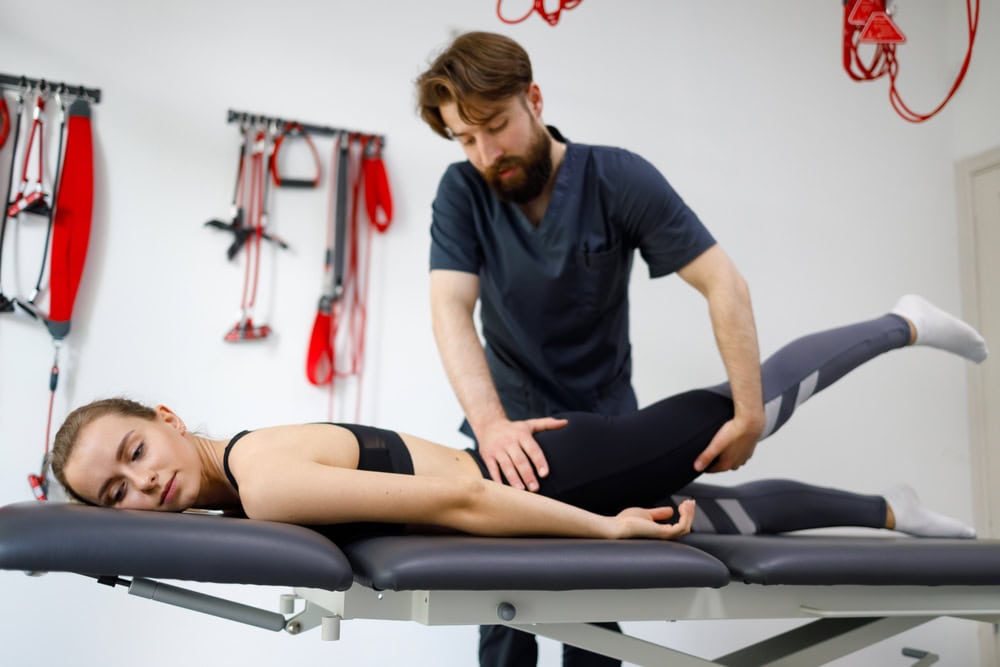
Hip pain can make simple movements like walking, climbing stairs, or getting out of a car feel restricted and uncomfortable. Whether your discomfort started gradually or followed a specific incident, understanding the cause is the first step toward recovery. At our center, Hip Pain Physiotherapy begins with a precise assessment to identify what is driving your symptoms and how to restore confident, pain-free movement.
Understanding the Hip Joint
Your hip is a ball and socket joint designed for stability and power. It supports your body weight in standing, walking, running, and changing direction. The joint is surrounded by cartilage, ligaments, muscles, and tendons that work together to provide strength and mobility. When one structure becomes overloaded, inflamed, or injured, pain can develop and begin to affect your daily function.
Hip pain may be felt in the front of the hip or groin, on the outer side of the hip, or even in the buttock region. Sometimes pain travels into the thigh or knee. The location and pattern of symptoms help guide diagnosis and targeted treatment.
Muscle Strains and Tendon Overload
Hip Flexor Strain
Hip flexor strains are common in active individuals and busy professionals who sit for prolonged periods and then return to sport or exercise. Sudden acceleration, sprinting, or kicking movements can overload the front of the hip. You may feel sharp pain during activity and tightness when lifting your knee.
With the right rehabilitation plan, most muscle strains respond well to progressive loading, flexibility work, and strength rebuilding. The goal is not just pain reduction, but restoring power and control so you can return to activity confidently.
Gluteal Tendinopathy
Pain on the outer side of the hip is often linked to irritation of the gluteal tendons. This condition is common in runners, individuals who stand for long hours, and women over 40. It may cause discomfort when lying on your side or climbing stairs.
Targeted strengthening of the hip stabilisers, correction of movement patterns, and gradual load progression are central to recovery. We focus on improving pelvic stability and reducing excessive compression on the tendons.
Hip Bursitis
Bursae are small fluid-filled sacs that reduce friction between tissues. When irritated, they can become inflamed and painful. Trochanteric bursitis presents as tenderness on the outside of the hip, especially when pressing on the area or lying on that side.
Bursitis is often secondary to biomechanical overload. Addressing the underlying weakness or alignment issue is essential. Short-term pain relief strategies may help, but long-term results depend on correcting the cause.
Labral Tears
The labrum is a ring of cartilage that deepens the hip socket and improves stability. A tear can occur due to repetitive twisting, sudden trauma, or structural variations in the joint. Symptoms often include deep groin pain, clicking, catching, or a sense of instability.
Not all labral tears require surgery. Many patients improve with structured rehabilitation that strengthens the surrounding muscles and improves joint control. A detailed assessment helps determine the right path forward.
Hip Osteoarthritis
Osteoarthritis is a degenerative condition where joint cartilage gradually wears down. It is more common with age but can also follow previous injury. Stiffness in the morning, reduced range of motion, and persistent ache in the groin or thigh are typical signs.
While cartilage changes cannot be reversed, symptoms can be managed effectively. Strengthening, mobility work, weight management, and activity modification can significantly improve function and delay progression. Our approach focuses on preserving independence and maintaining active lifestyles.
Femoroacetabular Impingement
Femoroacetabular impingement occurs when there is abnormal contact between the ball and socket of the hip. This can lead to pain during deep bending, squatting, or prolonged sitting. Younger active adults often experience this condition.
Improving hip mechanics, strengthening supporting muscles, and modifying movement patterns can reduce stress on the joint. Early intervention supports long-term joint health and reduces the risk of secondary damage.
Referred Pain from the Lower Back
Not all hip pain originates in the hip joint itself. The lower spine and sacroiliac joints can refer pain into the hip and buttock region. If your symptoms change with spinal movement or are accompanied by back stiffness, this may be contributing.
A comprehensive assessment evaluates both hip and spine. Treating the true source ensures that therapy targets what matters and avoids unnecessary interventions.
Hip Pain After Pregnancy
Hormonal changes, altered posture, and muscle weakness during and after pregnancy can lead to hip discomfort. Pelvic instability and gluteal weakness are common contributors. Many new mothers experience pain when standing on one leg, carrying their baby, or returning to exercise.
Postnatal rehabilitation focuses on restoring pelvic stability, rebuilding strength safely, and guiding a gradual return to activity. Supportive, step by step progression helps protect both hip and lower back.
Sports and Overuse Injuries
Runners, football players, dancers, and gym enthusiasts frequently place repetitive load on the hips. Without adequate recovery or strength balance, tissues can become irritated. Sudden increases in training volume also raise risk.
We assess biomechanics, training patterns, footwear, and muscle control. Adjustments combined with progressive strengthening help you return to sport stronger and more resilient.
When to Seek Assessment
If hip pain persists beyond a few days, limits your movement, disrupts sleep, or affects your ability to work or exercise, professional assessment is recommended. Early evaluation helps prevent compensation patterns that may lead to secondary knee or back pain.
During your assessment, we will review your history, examine joint mobility, muscle strength, posture, and movement patterns. Imaging is considered only when clinically indicated. The aim is clarity, not guesswork.
What to Expect from Treatment
Your treatment plan is personalised to your diagnosis, goals, and lifestyle. It may include manual therapy, targeted strengthening, mobility drills, neuromuscular control exercises, and education about load management. We track measurable outcomes such as range of motion, strength gains, pain levels, and functional capacity.
Most patients notice gradual improvement within a few sessions, depending on the cause and consistency with their program. Our focus is sustainable recovery, not temporary relief.
Restoring Movement and Confidence
Hip pain can feel limiting, especially in a city where active lifestyles and busy schedules are the norm. The good news is that most causes respond well to structured, evidence-based rehabilitation. With the right diagnosis and guided plan, you can rebuild strength, improve mobility, and return to the activities that matter to you.
If hip discomfort has been holding you back, the next step is clear. Book a comprehensive assessment at Adam Vital Physiotherapy & Rehabilitation Center. We will identify the cause, explain your options, and guide you step by step toward measurable progress and confident movement again.
