
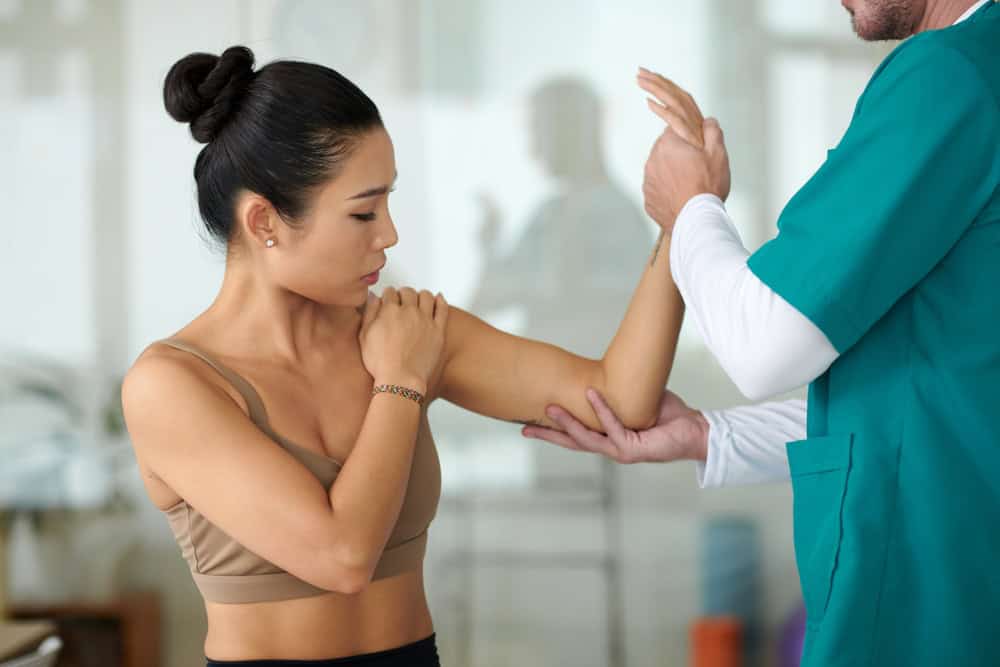
Elbow surgery is often the final step in addressing pain, instability, or structural damage that could not be managed conservatively. The surgery itself is only part of the recovery. What happens after plays a decisive role in how well you regain movement, strength, and confidence. Many patients explore Elbow Pain Physiotherapy once surgery is completed, but post-surgical rehabilitation requires a clear, staged approach that respects healing while restoring function. At Adam Vital Physiotherapy & Rehabilitation Center, post-surgical elbow rehab is structured, evidence-based, and tailored to your procedure, lifestyle, and goals.
Why Post-Surgical Rehabilitation Matters
Surgery addresses the structural problem, but it does not automatically restore normal movement or strength. Following surgery, the elbow and surrounding tissues often become stiff, weak, and sensitive. Without guided rehabilitation, this can lead to prolonged pain, limited range of motion, or difficulty returning to work and sport.
Rehabilitation supports tissue healing, restores movement gradually, and rebuilds strength so the elbow can tolerate daily demands again. The goal is safe recovery with long-term durability, not rushing progress at the expense of outcomes.
Common Elbow Surgeries Requiring Rehabilitation
Post-surgical elbow rehab may follow procedures such as tendon repair, ligament reconstruction, fracture fixation, arthroscopic debridement, or nerve decompression. Each surgery has different healing timelines and movement restrictions.
Understanding what was done surgically is essential. Rehabilitation is always guided by surgical findings, tissue healing stages, and any precautions provided by your surgeon.
The Early Phase of Rehabilitation
The initial phase focuses on protecting healing tissues while preventing unnecessary stiffness. Pain, swelling, and apprehension are common during this stage, and reassurance is an important part of care.
Pain and Swelling Management
Early rehabilitation aims to reduce swelling and manage discomfort through gentle movement, positioning, and guided activity modification. Complete immobilisation is avoided unless specifically required, as prolonged stiffness can delay recovery.
Restoring Safe Range of Motion
Controlled movement is introduced within safe limits. This helps maintain joint health and prevents excessive stiffness without compromising healing structures. Progression is gradual and guided by tissue response rather than rigid timelines.
Rebuilding Strength and Control
Once healing allows, rehabilitation shifts toward restoring strength, coordination, and confidence in the arm.
Progressive Muscle Activation
Early strengthening often begins with low-load activation of the forearm, upper arm, and shoulder muscles. This restores neuromuscular control and prepares the elbow for increased demand.
Gradual Load Progression
Strengthening progresses in stages, increasing resistance only when tissues demonstrate tolerance. Exercises are selected to reflect real-life demands such as lifting, gripping, pushing, or pulling.
Pain is monitored carefully. Mild discomfort may be expected, but sharp or increasing pain signals the need to adjust load.
Restoring Functional Movement
Rehabilitation does not stop at isolated strength. The elbow must work efficiently as part of the whole arm.
Integrated Upper Limb Function
Shoulder stability, wrist mobility, and upper back posture all influence elbow load. Addressing these areas reduces unnecessary stress on the recovering elbow.
Task and Activity-Specific Training
Rehabilitation is tailored to your daily needs. This may include work-related tasks, childcare demands, gym activities, or sport-specific movements. Training is progressed gradually to build confidence and resilience.
Managing Expectations During Recovery
Post-surgical recovery takes time. Improvement is rarely linear, and temporary setbacks can occur. Clear communication about timelines and milestones helps reduce anxiety and unrealistic expectations.
Some patients notice early gains in movement but slower strength recovery. Others regain strength quickly but experience stiffness. Individual response varies, and rehabilitation is adapted accordingly.
Preventing Complications and Setbacks
Common post-surgical challenges include stiffness, persistent swelling, tendon irritation, or fear of movement. These are addressed proactively through education, graded exposure, and consistent guidance.
Avoiding overprotection is as important as avoiding overload. Using the arm too little or too much can both delay recovery.
Return to Work and Sport
Returning to work or sport is a key milestone and requires careful planning. We assess readiness based on strength, range of motion, endurance, and movement quality rather than time alone.
For desk-based roles, this may involve ergonomic guidance and graded return to full duties. For manual or sporting activities, return is structured to reduce re-injury risk.
Supporting Recovery in Dubai’s Active Environment
Dubai’s fast-paced lifestyle often makes prolonged rest unrealistic. Rehabilitation plans are designed to fit your routine while respecting healing requirements.
At Adam Vital Physiotherapy & Rehabilitation Center, we provide dedicated time, clear explanations, and measurable progress markers so you understand what is happening at each stage of recovery.
Conclusion and Next Step
Post-surgical elbow rehabilitation is a structured journey that transforms surgical repair into functional recovery. With the right guidance, most patients can restore movement, rebuild strength, and return to daily activities with confidence.
If you have recently undergone elbow surgery or are preparing for one, the next step is a personalised rehabilitation assessment. Book an appointment with Adam Vital Physiotherapy & Rehabilitation Center to begin a clear, evidence-based post-surgical plan focused on safe recovery, performance, and long-term results.
