
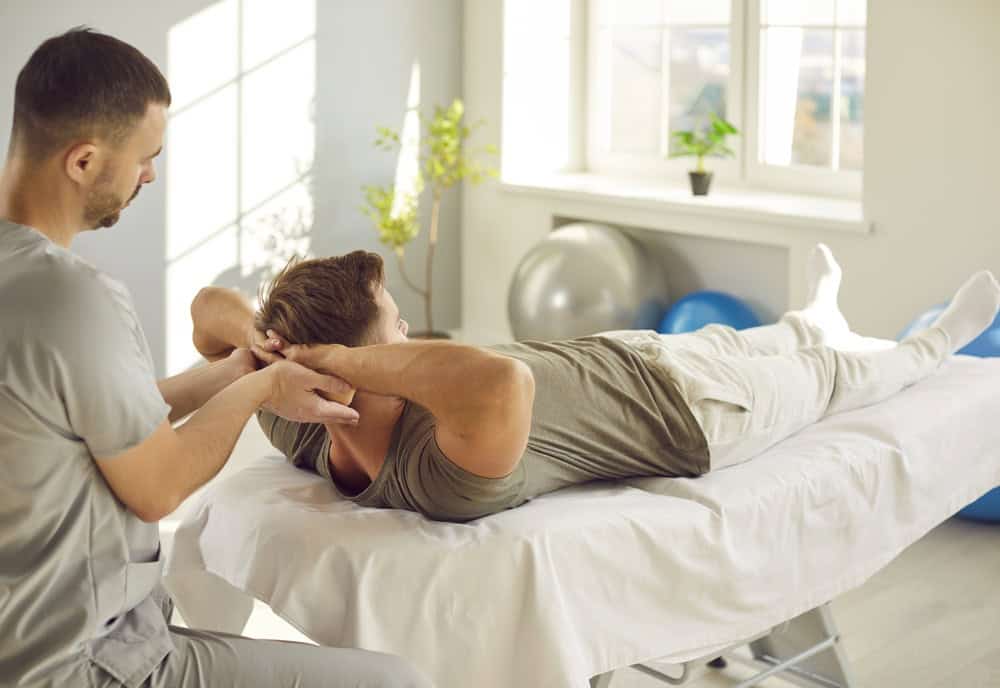
Swelling after surgery is expected, but how it is managed has a direct impact on comfort, movement, and recovery speed. As part of Post-Operative Rehabilitation, edema and swelling control focuses on supporting healing while preventing unnecessary stiffness, pain, and muscle inhibition. When swelling is addressed early and consistently, rehabilitation becomes more effective and progress feels clearer and more controlled.
Why swelling occurs after surgery
Surgery triggers an inflammatory response that helps the body heal. Blood vessels become more permeable, allowing fluid and healing cells to move into the affected area. This process is normal and protective in the early stages. However, when swelling is excessive or prolonged, it can interfere with joint movement, muscle activation, and pain levels. Effective swelling control respects the body’s healing response while preventing it from becoming a barrier to recovery.
How unmanaged swelling affects recovery
Persistent swelling can slow rehabilitation in several ways. Excess fluid around a joint limits range of motion and increases stiffness. It can also inhibit muscle function, making it harder to activate key muscles needed for stability and movement. Swelling often increases discomfort and can create a feeling of heaviness or pressure that discourages movement. Left unmanaged, these effects can delay progress and prolong recovery timelines.
Early goals of swelling control
In the initial post-surgical phase, the goal is not to eliminate swelling completely but to manage it effectively. Early strategies aim to reduce excessive fluid accumulation, protect healing tissues, and allow safe movement to begin. Clear guidance during this phase helps you understand what levels of swelling are expected and when intervention is needed.
Movement as a tool for swelling reduction
Gentle, guided movement plays a key role in swelling control. Muscle contractions act as a pump that helps move fluid away from the surgical area and back into circulation. Early mobilization within safe limits supports this process without placing stress on healing tissues.
Safe joint movement
Controlled joint movement helps prevent stiffness and encourages fluid drainage. These movements are selected carefully to match the type of surgery and stage of healing. The focus is on quality and comfort rather than force or repetition.
Muscle activation
Targeted activation of surrounding muscles helps restore circulation and reduce fluid build-up. Even gentle muscle engagement can improve swelling control and support joint stability during early recovery.
Positioning and elevation strategies
Positioning plays an important role in managing post-surgical swelling. Elevation allows gravity to assist fluid return, particularly in the early stages when movement may be limited. Proper positioning is specific to the surgical area and is guided to ensure comfort and safety rather than prolonged immobility.
Manual techniques to support fluid movement
Hands-on techniques may be used to encourage fluid drainage when appropriate. These techniques are gentle and rhythmic, designed to support the body’s natural lymphatic and circulatory systems rather than force change.
Supporting lymphatic flow
Gentle manual approaches help guide excess fluid away from congested areas. This can reduce feelings of tightness and pressure while improving comfort during movement.
Reducing tissue sensitivity
Swollen tissues can become sensitive and protective. Gentle manual work helps calm this response, making it easier to move and participate in rehabilitation exercises.
Compression and external support
In some cases, compression garments or bandaging may be recommended to help manage swelling. Compression supports fluid return and provides a sense of stability. The use of compression is individualised and guided to avoid restricting circulation or increasing discomfort.
Understanding normal versus concerning swelling
Not all swelling is problematic. Mild to moderate swelling that fluctuates with activity is common during recovery. Swelling that progressively worsens, becomes increasingly painful, or is accompanied by redness, heat, or systemic symptoms requires reassessment. Clear education helps you recognise when swelling is part of normal healing and when it needs attention.
The relationship between swelling and pain
Swelling and pain often influence each other. Increased fluid pressure can heighten pain sensitivity, while pain can lead to guarding and reduced movement, which in turn worsens swelling. Addressing swelling early helps break this cycle and supports more comfortable, confident movement.
Swelling control during later rehabilitation stages
As rehabilitation progresses, swelling management remains important. Increased activity and strengthening exercises can temporarily increase fluid accumulation. Ongoing strategies help ensure swelling settles quickly rather than lingering and limiting progress. Monitoring response to load helps guide progression and prevent flare-ups.
Your role in managing swelling
Your daily habits play a major role in swelling control. Following movement guidance, maintaining appropriate activity levels, and using recommended positioning or support strategies all contribute to better outcomes. Consistency is more effective than occasional intensive efforts. Communicating changes in swelling helps ensure your plan remains appropriate.
Common mistakes in swelling management
A common mistake is avoiding movement completely out of fear of worsening swelling. In many cases, appropriate movement helps reduce it. Another mistake is pushing through excessive swelling without adjustment. Effective management balances activity with recovery, using feedback from your body to guide decisions.
How swelling control supports long-term outcomes
Managing swelling effectively creates a better environment for healing. Improved comfort allows for better movement quality, stronger muscle activation, and more efficient progression through rehabilitation phases. This leads to improved function and confidence rather than repeated setbacks.
Conclusion
Edema and swelling control are essential components of post-surgical recovery, influencing pain, movement, and overall progress. Through guided movement, positioning strategies, manual support, and clear education, swelling can be managed without disrupting healing. Addressing swelling early and consistently supports smoother rehabilitation and more predictable outcomes. The next step is to book an assessment so your swelling management plan can be tailored to your surgery, your body’s response, and your recovery goals.
