After surgery, everyday tasks can feel unexpectedly challenging, not because healing is failing, but because your body is temporarily adapting to change. Adaptive equipment plays an important role in Post-Operative Rehabilitation by supporting safe movement, reducing strain on healing tissues, and helping you stay independent while recovery progresses. Used correctly, adaptive equipment is not a setback. It is a practical tool that protects recovery and supports confident progress.
What adaptive equipment really is
Adaptive equipment refers to temporary tools designed to help you move, function, and manage daily activities safely during recovery. These tools compensate for reduced strength, balance, range of motion, or weight-bearing capacity while your body heals. The purpose is not to replace movement but to support it, allowing you to stay active without placing unnecessary stress on surgical repairs.
Why adaptive equipment is often necessary after surgery
After surgery, tissues need time to heal and tolerate load again. During this period, forcing normal movement without support can increase pain, swelling, or risk of setback. Adaptive equipment bridges the gap between protection and independence. It allows you to move safely, maintain function, and participate in daily life while rehabilitation restores strength and control.
Supporting safety during early recovery
The early phase after surgery is when risk of falls, strain, or compensatory movement is highest. Adaptive equipment provides stability and reassurance at a time when confidence may be low.
Reducing fall risk
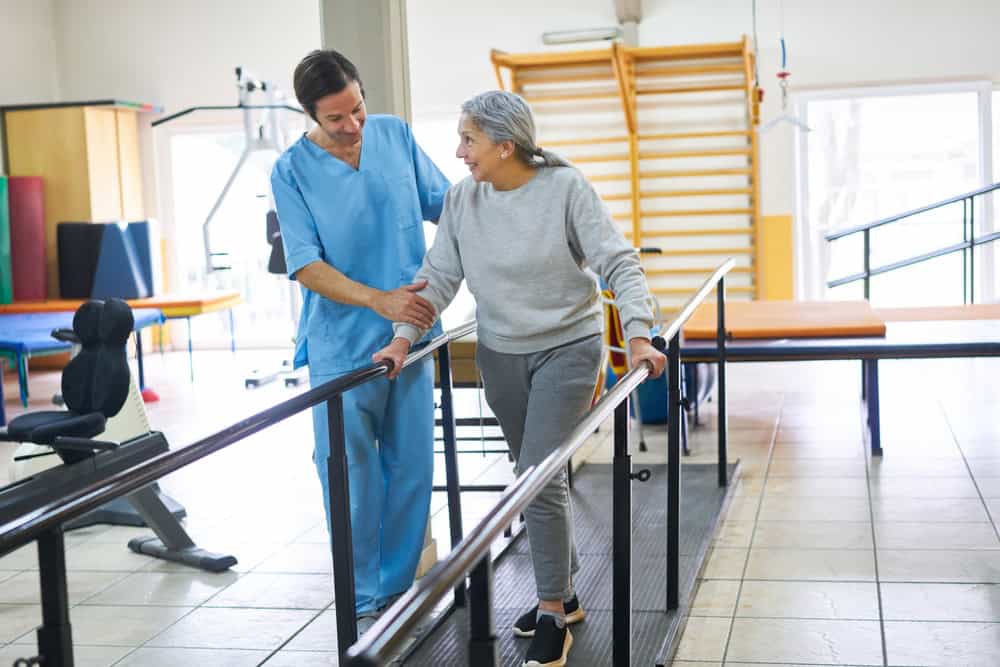
Equipment such as walking aids or support rails helps maintain balance and control when strength or coordination is reduced. This reduces the risk of falls, which can significantly disrupt recovery and increase anxiety.
Protecting surgical repairs
Limiting excessive load or awkward movement is critical early on. Adaptive tools help you respect movement restrictions while still allowing functional activity. This balance protects healing tissues without encouraging unnecessary inactivity.
Maintaining independence and confidence
Loss of independence can be one of the most frustrating aspects of post-surgical recovery. Adaptive equipment supports autonomy by allowing you to perform daily tasks safely. Being able to move, dress, or manage basic activities independently has a strong positive effect on confidence and motivation during rehabilitation.
Common types of adaptive equipment used in recovery
The type of equipment used depends on the surgery performed, your mobility level, and your home or work environment. Selection is individualised and reviewed as recovery progresses.
Mobility support
Walking aids such as crutches, sticks, or frames help manage weight-bearing and balance. Used correctly, they reduce strain on healing joints and tissues while encouraging safe walking patterns rather than limping or compensation.
Upper limb support
After shoulder or arm surgery, slings or supports may be used to protect healing tissues and reduce strain. These are typically temporary and adjusted as movement and strength improve.
Daily activity aids
Simple tools can make daily tasks safer and more comfortable. These may assist with reaching, dressing, or personal care when movement is limited. Their purpose is to reduce unnecessary stress and fatigue during early recovery.
Using equipment without becoming dependent
A common concern is becoming reliant on adaptive equipment. When used appropriately, this risk is low. Equipment is introduced with clear purpose and removed as soon as your body is ready. The goal is always progression, not prolonged dependence. Rehabilitation focuses on gradually reducing reliance as strength, balance, and confidence return.
How adaptive equipment supports better movement patterns
Without support, people often develop compensatory movement patterns to avoid pain or difficulty. These patterns can place strain on other joints or muscles and slow recovery. Adaptive equipment helps maintain more natural movement during the early stages, reducing the risk of secondary pain or long-term compensation.
Integrating equipment into rehabilitation exercises
Adaptive equipment is not only for daily tasks. It can be integrated into rehabilitation exercises to support safe loading and controlled movement. For example, walking aids may be used during gait retraining, or supports may help you practise movements with better alignment and control.
Adjusting equipment as recovery progresses
Recovery is dynamic, and equipment use should reflect this. As strength, balance, and confidence improve, equipment is modified or removed. Regular reassessment ensures that tools continue to support progress rather than limit it. Clear guidance helps you know when it is safe to reduce support and how to do so confidently.
Psychological benefits of adaptive support
Fear of movement is common after surgery. Adaptive equipment provides reassurance, allowing you to move with less anxiety. This sense of safety encourages participation in rehabilitation and daily activity, which in turn supports faster functional recovery. Feeling supported helps shift focus from fear to progress.
Common misconceptions about adaptive equipment
One misconception is that using equipment means recovery is delayed or unsuccessful. In reality, appropriate support often accelerates recovery by preventing setbacks. Another misconception is that equipment should be avoided to build strength faster. Strength develops through progressive rehabilitation, not by forcing unsupported movement before tissues are ready.
The role of education in equipment use
Proper use matters. Equipment that is poorly adjusted or used incorrectly can increase strain rather than reduce it. Clear instruction ensures tools are fitted correctly and used in a way that supports healing and movement quality. Education also helps you understand when equipment is helpful and when it is no longer needed.
Your role in using adaptive equipment effectively
Your awareness and feedback are essential. Noticing how equipment affects comfort, movement, and confidence helps guide adjustments. Following guidance and communicating concerns ensures equipment remains a support rather than a limitation. Consistent use when recommended is more effective than avoiding tools out of frustration.
Transitioning away from adaptive support
The transition away from equipment is an important milestone. This process is gradual and guided to ensure safety and confidence. Reducing support too quickly can increase strain, while delaying removal can limit progress. Clear criteria help determine when your body is ready to move independently again.
Conclusion
Adaptive equipment is a practical and valuable part of post-surgical recovery, supporting safety, independence, and confidence while your body heals. When selected thoughtfully and used correctly, these tools protect recovery and promote better movement rather than limiting progress. Adaptive equipment is not a step backward but a strategic support on the path to full function. The next step is to book an assessment so equipment needs can be identified, fitted, and integrated into a recovery plan that supports safe, steady, and confident progress.
