After surgery, many people ask one clear question, when will I get back to normal. Return to function is the central goal of Post-Operative Rehabilitation. It is not only about healing tissues or reducing pain, but about restoring your ability to move, work, train, and live with confidence. A structured approach helps you rebuild function safely, progressively, and in a way that fits your real life.
What return to function really means
Return to function means being able to perform the activities that matter to you without fear, limitation, or repeated flare-ups. For some, this means walking comfortably, sitting through a workday, or lifting children. For others, it means returning to sport, training, or physically demanding work. Function is personal and recovery plans must reflect this rather than following a generic checklist.
Why function matters more than pain alone
Pain reduction is important, but pain alone is not a reliable measure of recovery. Many people feel less pain but still move poorly, lack strength, or avoid certain activities. Focusing on function ensures recovery is meaningful and sustainable. The aim is not just to feel better, but to move better and tolerate real-life demands with confidence.
Building function step by step
Functional recovery follows a clear progression that respects tissue healing while gradually increasing challenge. Skipping steps or rushing ahead can lead to setbacks, while staying too cautious can limit long-term outcomes. A step-by-step approach balances protection with progress.
Early functional goals
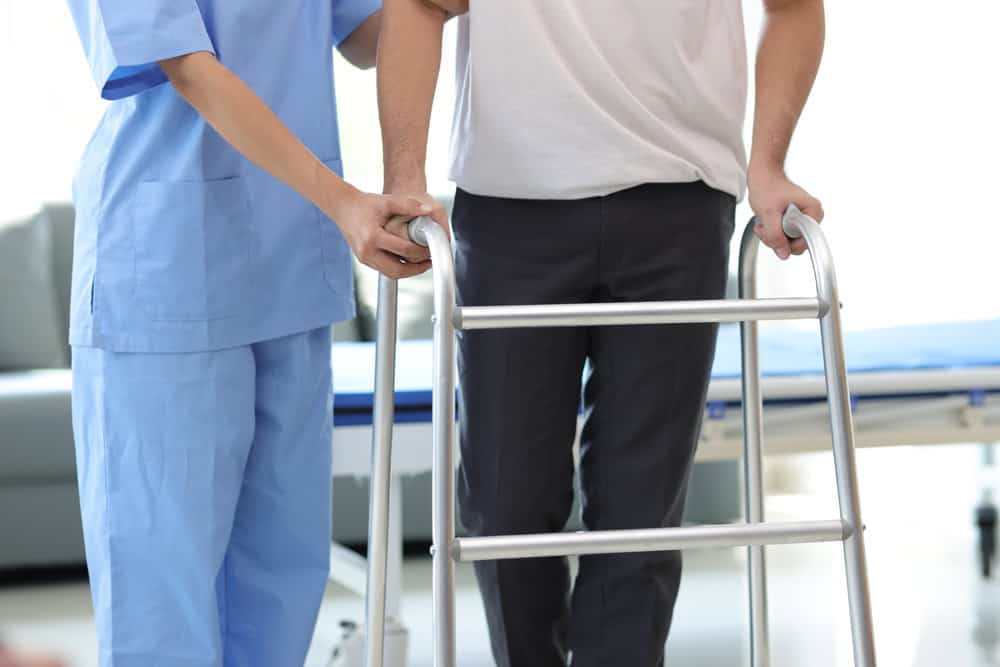
In the early stages after surgery, functional goals are simple but essential. These may include standing safely, walking short distances, or using the affected area in daily tasks without guarding. Early function focuses on restoring basic movement patterns and reducing reliance on compensations.
Mid-stage functional rebuilding
As healing progresses, function expands to include more complex tasks. This may involve climbing stairs, sitting and standing with ease, reaching overhead, or managing longer periods of activity. Strength, control, and endurance begin to matter more at this stage. Rehabilitation focuses on quality of movement, not just task completion.
Advanced functional performance
Later stages of recovery prepare you for higher demands. This may include return to sport, physically demanding work, or sustained daily activity without flare-ups. Exercises become more specific to your goals, ensuring your body can tolerate load, speed, and repetition safely.
The role of movement quality
How you move matters as much as how much you move. After surgery, it is common to develop protective movement patterns that reduce confidence and efficiency. Rehabilitation focuses on restoring smooth, coordinated movement to reduce unnecessary strain on joints and muscles. Improving movement quality reduces the risk of future pain or injury.
Strength and stability as foundations
Function relies on strength and stability. Weak or poorly controlled muscles place extra stress on healing tissues and surrounding joints. Progressive strengthening restores the capacity to handle everyday and athletic demands. Stability training helps your body respond confidently to unexpected movements, uneven surfaces, or changes in direction.
Confidence and trust in movement
Fear of re-injury is a common barrier to functional recovery. Even when tissues have healed, hesitation can limit progress. Gradual exposure to movement and load helps rebuild trust in your body. Confidence grows when you experience success repeatedly in a controlled, supportive environment.
Managing fatigue and recovery capacity
Returning to function is not only about strength and movement. Fatigue management plays a key role. After surgery, your tolerance for activity may be lower than expected. Rehabilitation helps you pace activity, build endurance gradually, and recognise when rest supports progress rather than delays it.
Realistic timelines for functional return
Recovery timelines vary depending on the type of surgery, the tissues involved, and individual factors such as age, health, and consistency with rehabilitation. Some people return to basic function within weeks, while higher-level activities may take months. Clear expectations help reduce frustration and prevent premature return to demanding tasks.
Common challenges when returning to function
Setbacks can occur when activity increases faster than recovery capacity. Mild discomfort or temporary stiffness is common, while persistent pain or swelling signals the need for adjustment. Another challenge is comparing your recovery to others. Each recovery is unique and should be guided by your own progress rather than external benchmarks.
The importance of individualised goals
Functional recovery is most successful when goals are specific and relevant to your lifestyle. A desk-based professional, a parent, and an athlete all require different functional capacities. Individualised goals ensure rehabilitation stays focused, efficient, and motivating.
Your role in functional recovery
You are an active participant in your return to function. Consistency with exercises, attention to movement habits, and open communication all influence outcomes. Understanding why certain activities are introduced and how they support your goals helps you engage with confidence rather than uncertainty.
Knowing when you are ready to progress
Progression is guided by how your body responds, not by pushing through discomfort. Signs you are ready to advance include improved movement control, reduced swelling after activity, and increasing confidence. If symptoms escalate or recovery feels stalled, reassessment helps refine the plan and keep progress on track.
Conclusion
Return to function after surgery is a structured journey that goes beyond pain relief. By rebuilding movement quality, strength, endurance, and confidence, recovery becomes practical and lasting. With clear goals, realistic timelines, and consistent guidance, you can return to the activities that matter most to you without fear or hesitation. The next step is to book an assessment so your functional recovery plan can be tailored to your surgery, lifestyle, and long-term goals.
