
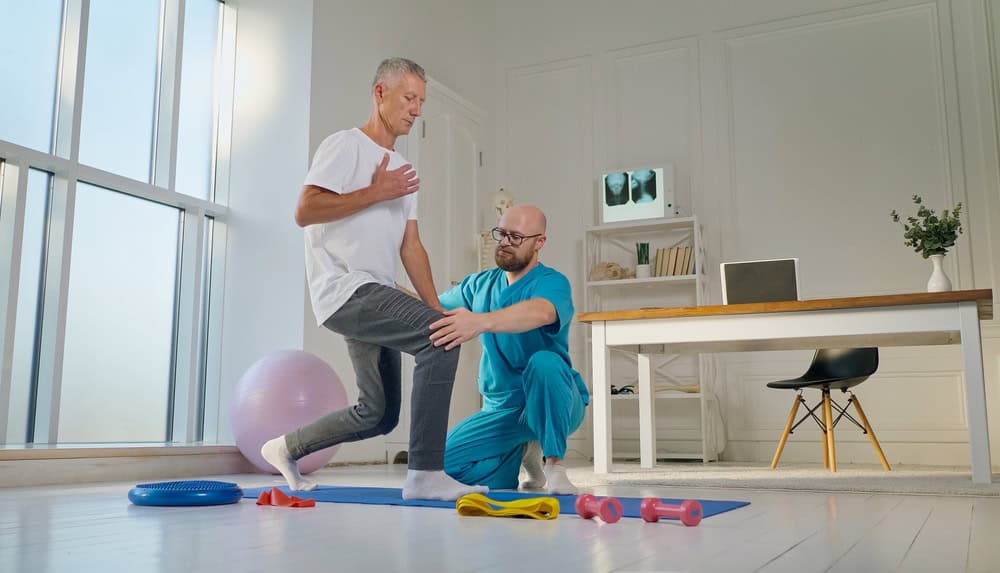
After surgery, it is common to feel weaker, stiffer, or less confident in movement, even once pain begins to settle. Restoring strength and flexibility is a core part of Post-Operative Rehabilitation and is essential for returning to daily activity, work, and sport safely. This process is not about pushing harder but about rebuilding capacity in a controlled, evidence-based way that respects healing while supporting long-term function.
Why strength and flexibility are both essential
Strength and flexibility work together to support healthy movement. Flexibility allows joints and tissues to move freely, while strength provides control and stability through that movement. After surgery, both are often reduced. Addressing only one can limit recovery. A balanced approach ensures movement feels smooth, supported, and confident rather than restricted or unstable.
How surgery affects strength and flexibility
Surgery and the period of reduced activity that follows can lead to muscle weakness, joint stiffness, and changes in how tissues respond to load. Swelling and pain can further inhibit muscle activation and limit range of motion. These changes are normal responses to trauma and protection. Rehabilitation aims to reverse them gradually and safely.
Restoring flexibility safely after surgery
Flexibility restoration focuses on regaining normal movement without overstressing healing tissues. The goal is not extreme range but functional, comfortable motion that supports daily activity.
Early controlled mobility
In the early stages, flexibility work involves gentle, guided movement within safe limits. These movements help prevent stiffness, support circulation, and prepare tissues for later strengthening. Progression is based on comfort, movement quality, and healing stage rather than forcing range.
Preventing protective stiffness
After surgery, the body may guard the area by tightening surrounding muscles. This protective response can persist longer than needed. Gradual mobility work helps reduce unnecessary tension and allows more natural movement patterns to return.
Rebuilding strength step by step
Strength restoration follows a progressive pathway that matches tissue healing and functional demands. Early strength work looks different from later-stage conditioning.
Reactivating inhibited muscles
Some muscles may struggle to engage after surgery, particularly around joints such as the knee, shoulder, or hip. Early strengthening focuses on restoring muscle activation and control rather than lifting heavy resistance. This foundation supports joint stability and movement confidence.
Progressive loading for function
As healing allows, resistance is increased to rebuild capacity. Exercises become more functional, reflecting tasks such as standing, walking, lifting, or reaching. Strength is developed through controlled loading rather than sudden increases in intensity.
The importance of movement quality
How you move matters as much as how strong or flexible you become. Poor movement patterns can overload healing tissues or create strain elsewhere in the body. Rehabilitation prioritises alignment, control, and coordination to ensure strength and flexibility gains translate into safe, efficient movement.
Balancing flexibility and strength work
Too much focus on stretching without strength can leave joints unsupported. Too much strength work without mobility can increase stiffness and discomfort. A balanced program ensures tissues are both mobile and resilient. This balance reduces the risk of setbacks and supports smoother progression through rehabilitation.
Managing discomfort during restoration
Mild discomfort during stretching or strengthening can be normal, especially as tissues adapt. Pain that is sharp, escalating, or long-lasting is not expected. Understanding this difference helps you work confidently without fear. Adjustments are made based on how your body responds rather than pushing through warning signs.
Individual factors that influence progress
Restoration timelines vary depending on the type of surgery, tissues involved, age, general health, and consistency with rehabilitation. Some people regain flexibility quickly but need more time to rebuild strength. Others experience the opposite. An individualised approach ensures progress is realistic and sustainable.
Integrating strength and flexibility into daily life
Rehabilitation does not exist in isolation from daily activity. Exercises are chosen to support real-life demands, whether that involves long hours at a desk, caring for family, or returning to sport. Integrating movement strategies into daily routines helps maintain gains and reduces the risk of regression.
Common mistakes in restoration
A common mistake is rushing strength before adequate mobility has returned, increasing strain on joints. Another is avoiding strength work due to fear of pain, leading to prolonged weakness. Clear guidance helps avoid these extremes and keeps recovery balanced.
Your role in restoring strength and flexibility
Your consistency and feedback are central to success. Performing exercises as guided, staying aware of movement quality, and communicating changes in comfort or function all influence outcomes. Restoration is built through steady effort rather than intensity alone.
When reassessment is important
If flexibility plateaus, strength gains stall, or pain increases unexpectedly, reassessment helps identify barriers to progress. Early adjustment prevents minor issues from becoming setbacks and keeps recovery aligned with your goals.
Conclusion
Strength and flexibility restoration after surgery is a gradual, structured process that rebuilds movement capacity, stability, and confidence. By balancing mobility with progressive strengthening and focusing on movement quality, recovery becomes safer and more effective. With clear guidance and consistent effort, you can restore function that supports daily life and long-term performance. The next step is to book an assessment so your strength and flexibility plan can be tailored precisely to your surgery, your body, and your recovery goals.
