
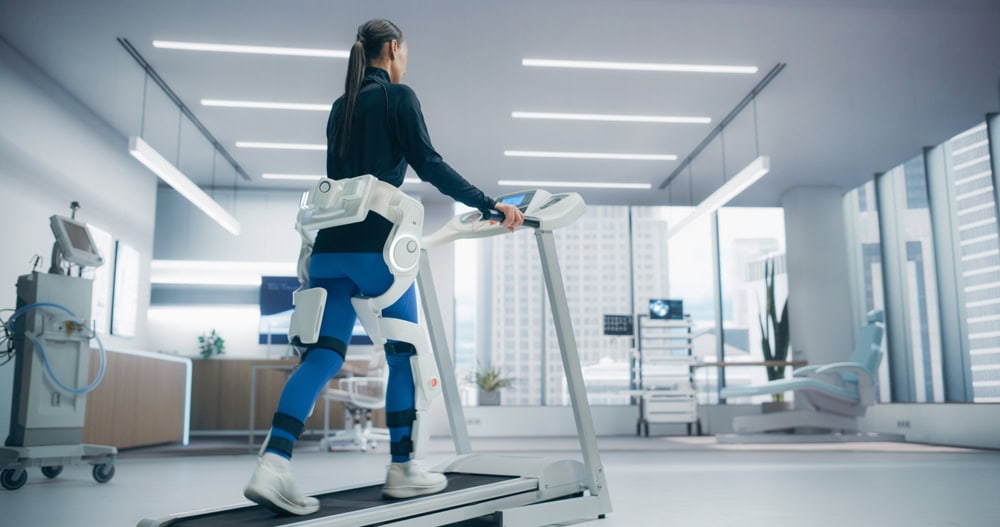
After surgery, one of the most common and important questions is when and how to start putting weight through the affected area. Weight-bearing progressions are a key part of Post-Operative Rehabilitation, guiding how load is reintroduced safely so healing tissues are protected while strength, confidence, and function steadily return. A clear progression removes uncertainty and helps recovery move forward without unnecessary risk.
What weight-bearing really means in recovery
Weight-bearing refers to how much load your body places through a limb or joint during standing, walking, or movement. After surgery, this load is often restricted to protect healing structures such as bone, cartilage, tendons, or ligaments. Weight-bearing is not an all-or-nothing concept. It exists on a spectrum and is progressed in stages based on healing, control, and functional ability.
Why weight-bearing must be progressed carefully
Healing tissues need mechanical load to regain strength and resilience, but too much load too soon can compromise surgical repairs. On the other hand, avoiding weight-bearing for longer than necessary can lead to weakness, stiffness, and delayed return to function. Structured progressions balance protection with stimulation, allowing tissues to adapt safely.
Common stages of weight-bearing progression
Weight-bearing status is usually guided by surgical protocols and adjusted based on individual response. Each stage has a clear purpose and expected outcomes.
Non-weight-bearing and minimal loading
In the earliest stage after some surgeries, weight-bearing may be restricted completely or limited to minimal contact for balance. This phase protects healing structures while allowing safe movement with support. Although load is minimal, maintaining good movement habits and muscle activation remains important to prevent excessive deconditioning.
Partial weight-bearing
Partial weight-bearing introduces controlled load through the limb while still using support such as crutches or a walking aid. This stage allows tissues to experience load without being overwhelmed. Learning how to distribute weight evenly is critical, as many people unintentionally overload or underload the limb without guidance.
Full weight-bearing with support
As tolerance improves, full body weight is gradually introduced while still using some external support. The focus here is on walking quality rather than speed. Proper alignment, controlled steps, and reduced compensation help ensure load is shared appropriately across joints and muscles.
Full weight-bearing without support
This stage represents a major milestone. Walking without aids requires sufficient strength, balance, and confidence. Rehabilitation focuses on restoring natural gait patterns and ensuring that increased independence does not lead to poor movement habits or flare-ups.
The role of movement quality in weight-bearing
Progressing weight-bearing is not just about how much weight you can tolerate but how well you move under load. Poor alignment, limping, or excessive reliance on other joints can increase strain and delay recovery. Rehabilitation emphasises controlled movement, even weight distribution, and smooth transitions to support long-term joint health.
How muscles support safe loading
Muscles act as shock absorbers during weight-bearing activities. After surgery, weakened or inhibited muscles can shift load onto joints or healing tissues. Strengthening key muscle groups alongside weight-bearing progression ensures load is managed efficiently and reduces the risk of pain or re-injury.
Confidence and fear during weight-bearing
Fear of putting weight through the affected area is common. Even when tissues are ready, hesitation can limit progress. Gradual exposure to load, clear guidance, and repeated success help rebuild trust in your body. Confidence grows when you understand what is safe and experience steady improvement.
Using support tools during progression
Walking aids and supportive devices are often used during weight-bearing progression. These tools are not signs of failure. They allow controlled loading and better movement quality while tissues adapt. Support is reduced as strength, balance, and confidence improve, ensuring progression remains safe rather than rushed.
Signs you are ready to progress
Progression is guided by specific indicators rather than time alone. These include reduced swelling after activity, improved movement control, the ability to bear weight without sharp pain, and growing confidence during daily tasks. If these signs are present, progression can occur safely. If symptoms escalate, reassessment is needed.
Common mistakes in weight-bearing progression
A common mistake is pushing to walk without support too early, leading to limping or overload. Another is staying overly cautious and delaying progression despite readiness. Both extremes can slow recovery. Structured guidance helps find the right balance between challenge and protection.
Weight-bearing in daily activities
Weight-bearing is not limited to walking. Standing from a chair, climbing stairs, and carrying items all involve load transfer. Rehabilitation addresses these tasks gradually, ensuring your body can manage real-life demands without flare-ups or fear.
Individual factors that influence progression
The type of surgery, tissue quality, overall health, and consistency with rehabilitation all affect how quickly weight-bearing progresses. Two people with the same surgery may progress at different rates. An individualised approach ensures progression matches your body rather than a generic timeline.
Your role in successful progression
Your awareness and communication play a key role. Noticing how your body responds to increased load and sharing this feedback helps guide safe progression. Following movement guidance and using support tools as advised helps prevent setbacks and builds confidence.
When reassessment is important
If pain increases significantly, swelling worsens, or movement quality declines as weight-bearing increases, reassessment is important. Adjusting load early prevents minor issues from becoming longer-term barriers to recovery.
Conclusion
Weight-bearing progressions after surgery provide a clear, structured pathway from protection to full function. By reintroducing load gradually, focusing on movement quality, and building strength alongside confidence, recovery becomes safer and more predictable. With the right guidance and steady progression, your body can adapt to load and return to daily life and activity without fear. The next step is to book an assessment so your weight-bearing plan can be tailored precisely to your surgery, your response to load, and your long-term functional goals.
