
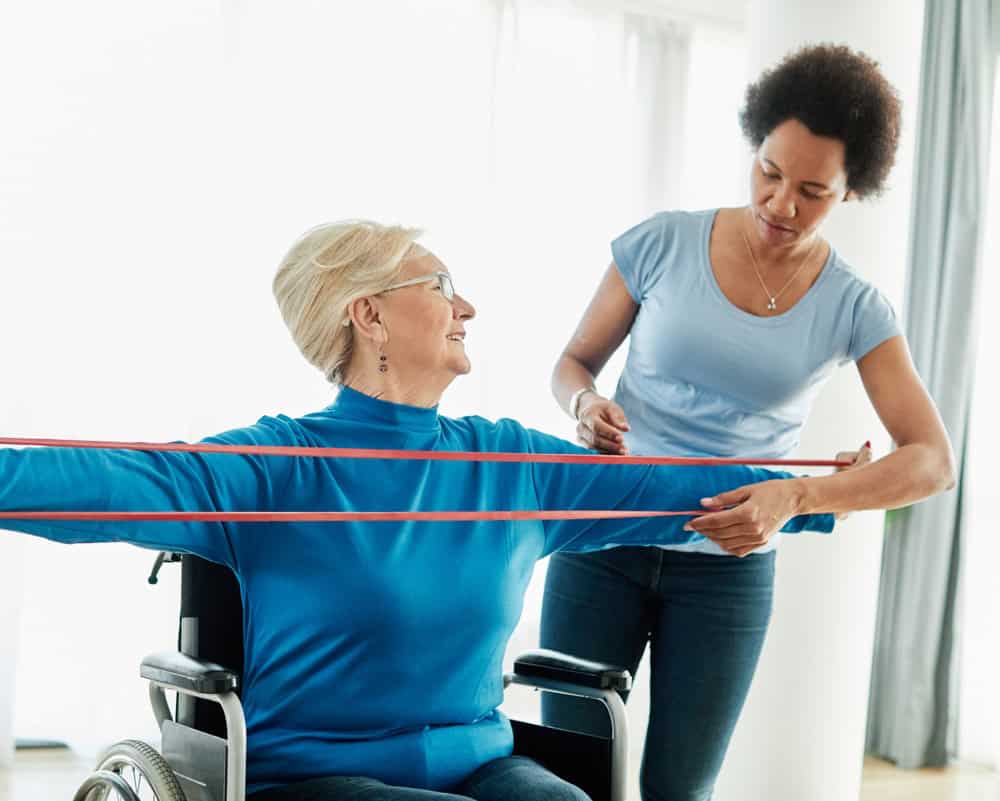
After surgery, recovery is not complete when pain reduces or movement returns in isolation. True recovery means being able to move well in real-life situations. Functional training is a core part of Post-Operative Rehabilitation, focusing on restoring the movements, control, and confidence you need for daily life, work, and sport. This approach bridges the gap between early rehabilitation exercises and full return to function.
What functional training really means after surgery
Functional training focuses on movements rather than isolated muscles. It trains your body to work as a coordinated system, just as it does in everyday activities. After surgery, this is essential because real life does not happen in controlled positions. Standing up, walking, lifting, reaching, and changing direction all require strength, balance, coordination, and timing working together.
Why functional training matters in post-operative recovery
Traditional exercises restore strength and mobility, but without functional training, these gains may not translate into confident movement. Many people feel strong in exercises but hesitant during daily tasks. Functional training closes this gap by preparing your body for real-world demands, reducing fear, and lowering the risk of re-injury.
When functional training begins
Functional training does not wait until the end of rehabilitation. Elements are introduced early and progress as healing allows. In the early phase, functional work may be simple and supported. As recovery progresses, complexity and load increase in line with tissue healing and movement control.
Early functional foundations
Early functional training focuses on basic movement patterns such as sitting to standing, safe walking, and controlled reaching. These movements help restore confidence and prevent compensatory habits that can develop during periods of pain or protection.
Progressive functional challenges
As strength and mobility improve, functional tasks become more demanding. This may include balance challenges, controlled lifting, or repeated movement patterns that reflect daily or work-related activity. Progression is guided by movement quality and symptom response rather than speed.
Key components of functional training
Effective functional training integrates several physical qualities that support safe and efficient movement.
Strength in meaningful positions
Strength is developed in positions that resemble real-life tasks. This helps ensure muscles work together to support joints under load. Training strength in functional positions reduces the gap between exercise performance and daily movement.
Balance and stability
After surgery, balance and joint awareness are often reduced. Functional training challenges stability in a controlled way, helping your body respond confidently to uneven surfaces, changes in direction, or unexpected movement demands.
Coordination and timing
Efficient movement depends on timing between muscles and joints. Functional training improves coordination so movements feel smooth rather than stiff or hesitant. This is especially important when returning to dynamic activity.
Functional training for daily activities
Many post-operative challenges arise during everyday tasks rather than exercise. Functional training directly addresses these demands.
Walking and gait control
Walking may return early, but quality often lags behind. Functional training focuses on even weight distribution, rhythm, and endurance. Improving walking mechanics reduces fatigue and protects other joints from overload.
Lifting and carrying
Daily life involves lifting objects of varying weight and shape. Functional training teaches safe lifting strategies that protect healing tissues while rebuilding strength and confidence.
Reaching and overhead tasks
For upper limb surgery, functional training prepares you for reaching, carrying, and sustained arm use. These movements are progressed gradually to ensure control and comfort.
Functional training for work and sport
Return to work and sport requires more than general fitness. Functional training is tailored to the specific demands you face.
Work-specific preparation
Desk-based roles may require prolonged sitting tolerance and postural control, while physical jobs require lifting, carrying, or repetitive movement. Functional training reflects these demands to prepare your body safely.
Sport-specific movement
For active individuals, functional training may include running mechanics, directional changes, or sport-specific drills. These are introduced only when strength, control, and confidence are sufficient to manage higher loads.
Managing load and fatigue during functional training
Functional training can feel more demanding than isolated exercises because it challenges multiple systems at once. Managing load is essential. Sessions are structured to build capacity without triggering excessive fatigue or flare-ups. Learning how to pace effort helps maintain steady progress.
Common mistakes in functional rehabilitation
One common mistake is delaying functional training too long, leading to difficulty transitioning back to real life. Another is progressing tasks too quickly without sufficient control, increasing the risk of setbacks. Structured guidance helps avoid these extremes.
Confidence and psychological readiness
Functional training plays a key role in rebuilding confidence. Successfully performing meaningful tasks reinforces trust in your body. This psychological readiness is essential for long-term success and reduces fear-driven movement avoidance.
How functional training supports long-term outcomes
By preparing your body for real-life demands, functional training reduces the likelihood of recurring pain or injury. It helps ensure that strength and mobility gains are usable and sustainable. This approach supports independence, performance, and confidence beyond the rehabilitation period.
Your role in functional recovery
Your engagement matters. Paying attention to movement quality, communicating challenges, and staying consistent with guided progression all influence outcomes. Functional training works best when you understand how each task supports your goals.
When progression needs adjustment
If functional tasks consistently increase pain, swelling, or fear, reassessment is needed. Adjusting task difficulty or volume ensures training remains supportive rather than overwhelming. Progression is refined based on response, not pressure.
Conclusion
Functional training after surgery is the bridge between rehabilitation and real life. By focusing on meaningful movement, strength in practical positions, and confidence under load, recovery becomes relevant and lasting. Functional training ensures that gains translate into daily activity, work, and sport without hesitation or fear. The next step is to book an assessment so your functional training plan can be tailored to your surgery, lifestyle, and long-term movement goals.
