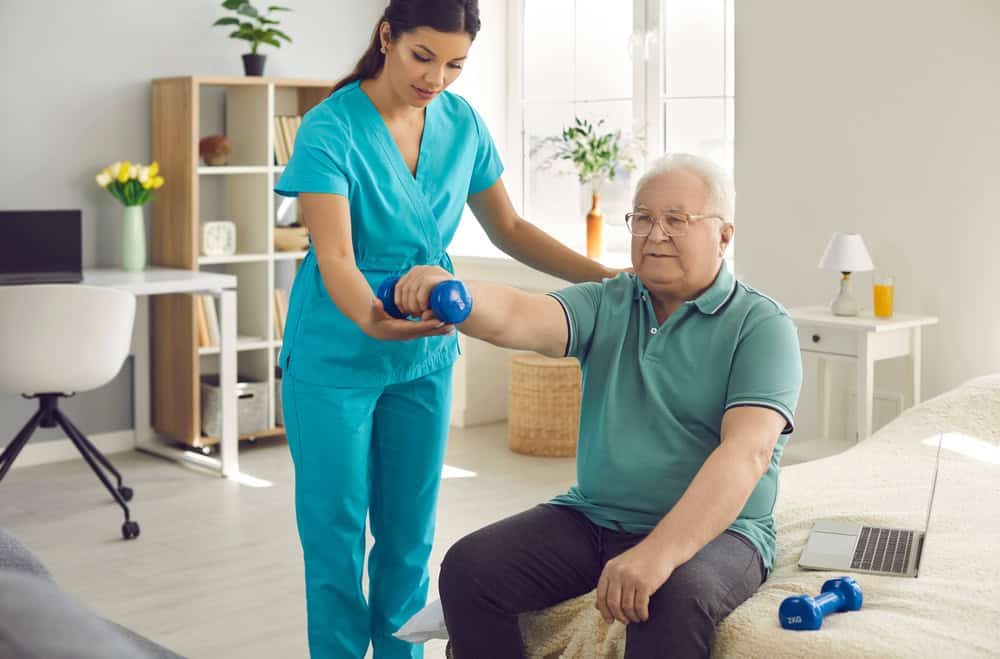
When stiffness limits simple movements like standing up, reaching, or walking comfortably, restoring safe joint movement becomes a priority, which is why range of motion work is a core element of Arthritis / Osteoarthritis Physiotherapy, helping joints move more freely while reducing pain and hesitation.
What range of motion means in osteoarthritis
Range of motion refers to how far a joint can move comfortably and in a controlled manner. In osteoarthritis, this range often reduces due to joint stiffness, muscle tightness, swelling, or fear of pain rather than structural blockage alone.
Maintaining and improving range of motion supports daily function and prevents secondary problems such as muscle shortening and compensatory movement patterns.
Why range of motion reduces pain
Limited joint movement increases pressure on certain joint areas and surrounding tissues. Restoring movement distributes load more evenly and reduces irritation.
Improved joint lubrication
Gentle movement circulates synovial fluid, nourishing joint surfaces and reducing the sensation of stiffness, especially after rest.
Reduced muscle tension
Restricted joints often lead to muscle guarding. Controlled movement helps muscles relax, decreasing pulling forces on the joint.
Lower movement-related anxiety
Repeated safe movement reassures the nervous system, reducing protective pain responses that limit motion.
Common joints affected by reduced range
Osteoarthritis commonly limits movement in several key areas.
Knees
Loss of knee bending or straightening affects walking, stairs, and sitting comfort.
Hips
Hip stiffness can restrict stride length, sitting posture, and tasks like putting on shoes.
Spine
Reduced spinal mobility contributes to aching, difficulty turning, and prolonged postural discomfort.
Hands and shoulders
Limited movement affects grip, reaching, and overhead tasks, impacting daily independence.
Types of range of motion exercises
Range of motion exercises are selected based on joint tolerance and goals.
Active range of motion
You move the joint using your own muscle effort. This improves control and supports joint stability.
Assisted range of motion
The joint is supported by the opposite limb or an external surface, reducing effort while maintaining movement.
Passive range of motion
The joint is moved gently without muscle effort, often used during more painful or stiff phases to maintain mobility.
How often range of motion should be performed
Consistency matters more than intensity. Short sessions performed daily are often most effective.
Morning movement helps reduce stiffness after rest, while gentle sessions later in the day prevent tightening after activity.
Safe principles for range of motion exercises
Range of motion work should feel controlled and purposeful rather than forced.
Move within comfort
Exercises should approach the edge of stiffness without sharp pain. Mild discomfort that eases quickly is usually acceptable.
Slow, controlled movement
Moving slowly allows tissues to adapt and reduces protective muscle tightening.
Breathing and relaxation
Calm breathing during movement reduces tension and improves tolerance.
Range of motion versus stretching
Range of motion exercises differ from aggressive stretching. The goal is to maintain usable movement rather than force flexibility.
In osteoarthritis, pushing into pain often increases muscle guarding and stiffness. Gentle repetition is more effective.
Integrating range of motion with strength
Range of motion exercises prepare joints for strengthening and daily activity.
Improved movement allows muscles to work through better positions, increasing the effectiveness of strength training and reducing joint strain.
Managing flare-ups with range of motion
During flare-ups, range of motion exercises help prevent further stiffness without overloading the joint.
Reducing intensity, not stopping
Smaller movements performed more frequently often maintain comfort better than complete rest.
Listening to symptoms
If pain or swelling increases and persists, movement range should be adjusted temporarily.
Long-term benefits of maintaining range
Maintaining joint mobility supports posture, walking efficiency, and balance. It reduces compensatory stress on other joints and tissues.
People who maintain range of motion often find daily tasks easier and experience fewer sudden stiffness episodes.
What progress looks like
Early progress often includes reduced stiffness and smoother movement rather than immediate pain relief. Over time, improved mobility supports strength gains and better activity tolerance.
Progress is measured through functional movement such as easier stairs, longer walking comfort, and improved reach.
Next step
If stiffness or reduced movement has been limiting your daily activities, a structured assessment can identify which joints need targeted range of motion work and how to perform it safely.
Range of motion exercises are not about forcing movement. They are about restoring comfortable, confident motion so your joints support the life you want to live.
