
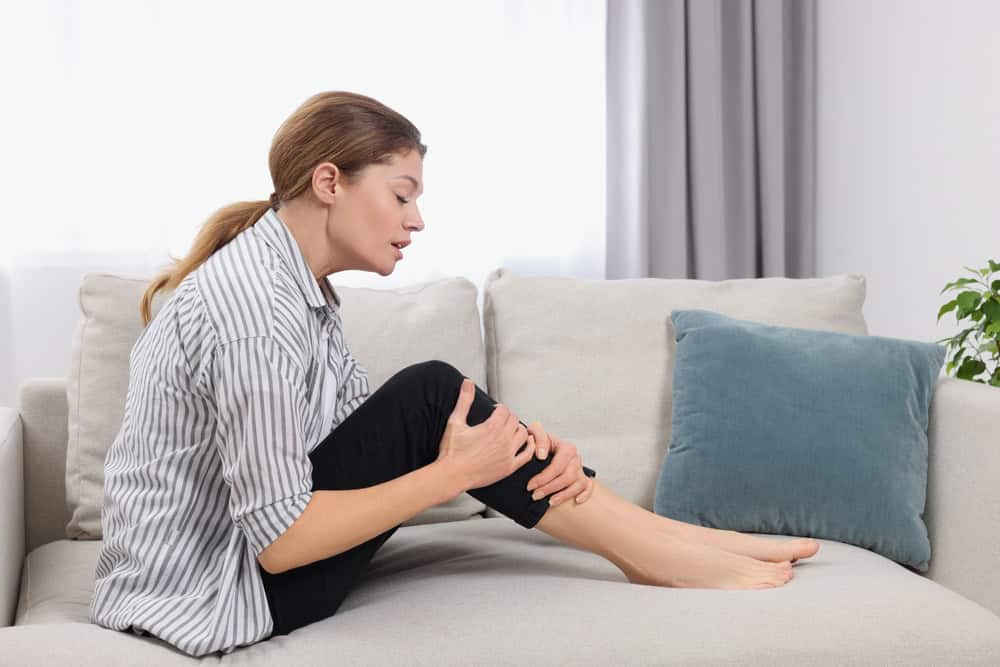
Sudden increases in joint pain can feel unpredictable and discouraging, yet pain flares are a common and manageable part of osteoarthritis when approached with structure and understanding, which is why learning flare management is an essential component of Arthritis / Osteoarthritis Physiotherapy, helping you respond early, reduce impact, and return to steady progress.
What a pain flare actually is
A pain flare is a temporary increase in joint pain, stiffness, or swelling that exceeds your usual symptom level. Flares can last from hours to several days and often settle with appropriate adjustments. Importantly, a flare does not automatically mean joint damage or worsening arthritis.
Most flares reflect increased joint sensitivity rather than structural change, especially when they follow changes in activity, routine, or stress.
Common triggers for pain flares
Understanding triggers helps you respond calmly rather than reactively.
Sudden changes in activity
Doing more than usual, such as longer walks, new exercises, or extended standing, can temporarily exceed joint tolerance.
Reduced movement or prolonged rest
Extended sitting, travel, or illness-related inactivity often increases stiffness and pain sensitivity.
Repetitive or sustained loading
Tasks that involve repeated joint use or holding one position for too long can provoke symptoms.
Stress and fatigue
Pain perception is influenced by stress, sleep quality, and overall fatigue. During stressful periods, joints may feel more reactive.
Weather and routine disruption
Changes in temperature, routine, or daily rhythm can affect symptoms, even without clear mechanical overload.
Why panic makes flares worse
When pain spikes unexpectedly, it is common to fear that something has gone wrong. This fear often leads to complete rest, guarding, or avoidance of movement.
Excessive protection reduces muscle support, increases stiffness, and heightens pain sensitivity, often prolonging the flare rather than resolving it.
First response during a pain flare
The goal during a flare is to settle symptoms without losing momentum.
Modify load, do not stop completely
Reducing intensity, duration, or range of movement often calms symptoms while maintaining joint mobility and circulation.
Return to familiar, safe movements
Simple, well-tolerated exercises or movements that usually feel comfortable help reassure the joint and nervous system.
Use pacing rather than pushing
Breaking tasks into smaller segments with rest in between prevents further irritation.
Movement strategies that help calm flares
Gentle movement is often more effective than rest alone.
Range of motion exercises
Slow, controlled joint movement reduces stiffness and improves comfort without stressing the joint.
Low-load strengthening
Light muscle activation supports the joint and prevents rapid strength loss during flare periods.
Walking or pool-based movement
Low-impact activity maintains circulation and joint lubrication while keeping load manageable.
Pain management tools during flares
Supportive strategies can reduce discomfort and improve tolerance to movement.
Heat and cold application
Heat often helps stiffness and muscle tension, while cold may reduce swelling or sharp discomfort. Response varies, so individual preference matters.
Position changes
Frequent posture adjustments prevent sustained joint compression and reduce symptom build-up.
Breathing and relaxation
Calm breathing reduces muscle tension and nervous system sensitivity, indirectly easing pain.
What to avoid during pain flares
Some responses increase flare duration and intensity.
Complete inactivity
Extended rest increases stiffness, weakness, and joint sensitivity.
Pushing through sharp pain
Ignoring warning signals can escalate symptoms and delay recovery.
Rapid changes in exercise or routine
Introducing new or demanding activities during a flare often prolongs discomfort.
Returning to baseline after a flare
Once symptoms begin to settle, gradual reloading is essential.
Resume previous activity levels progressively
Returning immediately to pre-flare intensity can trigger recurrence. Gradual progression restores tolerance safely.
Monitor next-day response
Symptoms that settle within a short period usually indicate appropriate loading. Persistent increase suggests the need to scale back temporarily.
Using flares as feedback, not failure
Flares provide information about joint tolerance, recovery needs, and pacing. They highlight areas where adjustment, not avoidance, is required.
People who learn to interpret flares calmly often regain control faster and maintain confidence in movement.
Long-term strategies to reduce flare frequency
Consistent management reduces how often and how intensely flares occur.
Regular strength and mobility work
Stronger muscles and maintained joint range improve load tolerance.
Activity pacing
Balancing effort and recovery prevents repeated overload.
Sleep and stress management
Good sleep and stress regulation support pain modulation and tissue recovery.
Clear flare plan
Knowing exactly how to respond reduces anxiety and shortens flare duration.
When to seek reassessment
If flares become more frequent, severe, or do not settle with usual strategies, reassessment is appropriate. Changes in symptoms may indicate the need to adjust exercise load, technique, or daily habits.
What progress looks like over time
With effective management, flares become shorter, less intense, and easier to control. Confidence in activity increases as fear-driven avoidance decreases.
Progress is measured by improved tolerance to daily life rather than the complete absence of pain.
Next step
If pain flares have been disrupting your routine or confidence, a structured assessment can help identify triggers and create a personalised flare management plan.
Flares do not mean failure. With the right strategies, they become manageable interruptions rather than barriers to recovery and long-term joint health.
