
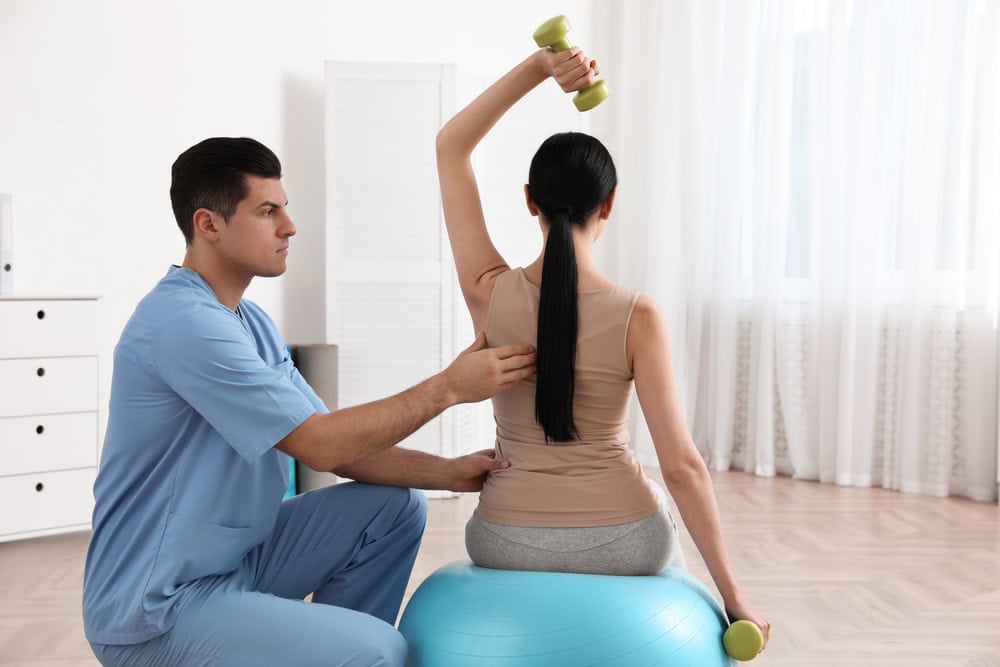
Postural changes often begin during adolescence, particularly as growth accelerates and daily habits shift toward increased screen time, studying, and sedentary activities. During these years the spine, muscles, and joints are still developing, which means posture patterns formed in adolescence can influence movement and comfort later in life. When poor posture becomes habitual, it may lead to muscle imbalance, fatigue, and reduced mobility. Addressing these patterns early helps adolescents develop healthier movement habits that support long term spinal health. At Adam Vital Physiotherapy & Rehabilitation Center in Dubai, physiotherapy programs for younger patients focus on identifying posture changes and guiding practical improvements. Many adolescents experiencing posture related discomfort benefit from Posture Correction / Postural Rehab, which combines targeted exercises, movement retraining, and supportive guidance to help restore balanced posture.
Why Posture Changes During Adolescence
Adolescence is a period of rapid physical growth. Bones may lengthen quickly, while muscles sometimes take longer to adapt to these changes. As a result, adolescents may temporarily experience reduced coordination, muscle tightness, or difficulty maintaining upright posture.
At the same time, lifestyle habits often change. Increased time spent studying, using computers, or looking at mobile devices may encourage slouched sitting or forward head posture. These habits can gradually influence spinal alignment and muscle balance.
Because the body is still developing, early recognition and guidance can help prevent long term posture problems.
Common Postural Patterns in Adolescents
Several posture patterns frequently develop during teenage years due to growth changes and daily routines.
Forward Head Posture
Extended use of phones, tablets, and computers often encourages the head to move forward relative to the shoulders. This position increases the load placed on the neck muscles and may contribute to neck or shoulder tension.
Rounded Shoulders
Prolonged sitting during school work can lead to shoulders gradually rounding forward. This pattern may be associated with tight chest muscles and reduced activation of the upper back muscles.
Excessive Thoracic Curvature
Some adolescents develop increased rounding in the upper back, sometimes referred to as postural kyphosis. This pattern may occur when the muscles supporting the spine are not strong enough to maintain upright posture during growth.
Pelvic Alignment Changes
Muscle imbalances around the hips can influence pelvic positioning. This may affect how the lower back curves during standing or sitting.
Symptoms Associated With Postural Changes
Posture related changes in adolescents may initially appear subtle, but certain signs may indicate that posture is beginning to affect comfort or movement.
Back or Neck Fatigue
Adolescents may report feeling tired or uncomfortable in the neck or back after prolonged studying or screen use.
Shoulder or Upper Back Tightness
Rounded shoulders can place strain on the upper back muscles, leading to tension during daily activities.
Reduced Postural Endurance
Some adolescents find it difficult to maintain upright posture for extended periods, particularly during school work or desk based activities.
The Importance of Early Posture Assessment
Evaluating posture during adolescence helps identify movement patterns that may contribute to discomfort. At Adam Vital Physiotherapy & Rehabilitation Center, physiotherapists assess spinal alignment, muscle strength, joint mobility, and movement patterns.
The assessment also considers how the adolescent sits, stands, and moves during daily activities. This provides insight into the habits influencing posture.
Understanding these factors allows treatment to focus on improving movement habits and muscle balance rather than only addressing symptoms.
Exercises That Support Posture in Adolescents
Exercise programs for adolescents focus on building strength, improving flexibility, and encouraging balanced movement.
Upper Back Strengthening
Strengthening the muscles that stabilise the shoulder blades helps counteract rounded shoulder posture. These exercises encourage the chest to open and support the upper spine.
Core Stability Training
The core muscles support the spine during sitting and movement. Strengthening these muscles helps maintain balanced posture throughout daily activities.
Hip and Pelvic Control Exercises
Exercises that strengthen the hips and improve pelvic control help maintain healthy alignment of the lower spine.
Mobility and Stretching
Stretching tight muscles in the chest, shoulders, and hips helps restore flexibility and allows the body to move more freely.
The Role of Movement and Physical Activity
Regular physical activity is an important part of maintaining healthy posture during adolescence. Sports, outdoor play, and exercise help strengthen the muscles that support the spine and improve coordination.
Encouraging adolescents to move regularly throughout the day can also reduce the effects of prolonged sitting.
Activities that promote balance, strength, and flexibility often support better posture development.
Healthy Study and Screen Habits
Study routines and screen habits can strongly influence posture during adolescence.
Desk Setup
Ensuring that the study desk and chair support upright sitting helps reduce strain on the neck and back.
Screen Height
Keeping screens at a comfortable viewing height encourages the head to remain aligned with the shoulders.
Regular Breaks
Encouraging short movement breaks during study sessions helps prevent prolonged slouching and muscle fatigue.
Encouraging Postural Awareness
Developing awareness of posture helps adolescents recognise when their alignment begins to change during sitting or movement.
Simple cues such as gently lengthening the spine, relaxing the shoulders, and keeping the head aligned above the shoulders can support healthier posture.
With consistent practice, these adjustments become more natural over time.
What to Expect During Physiotherapy
Physiotherapy programs for adolescents are designed to be practical and supportive. Exercises are typically simple, progressive, and tailored to the individual’s age, activity level, and posture pattern.
Many adolescents begin noticing improvements in comfort and posture awareness within several sessions as strength and mobility improve.
The aim is to build habits that support long term spinal health as the body continues to develop.
Conclusion
Adolescence is an important time for developing healthy posture habits. Growth changes, increased screen use, and prolonged studying can influence spinal alignment and muscle balance.
Through early assessment, targeted exercises, and supportive guidance, physiotherapy can help adolescents restore balanced posture and improve movement patterns. At Adam Vital Physiotherapy & Rehabilitation Center, treatment programs focus on strengthening key muscles, improving mobility, and encouraging daily habits that support healthy development. If posture related discomfort or fatigue is affecting a young person’s daily activities, booking a physiotherapy assessment is the first step toward improving posture and supporting long term musculoskeletal health.
