
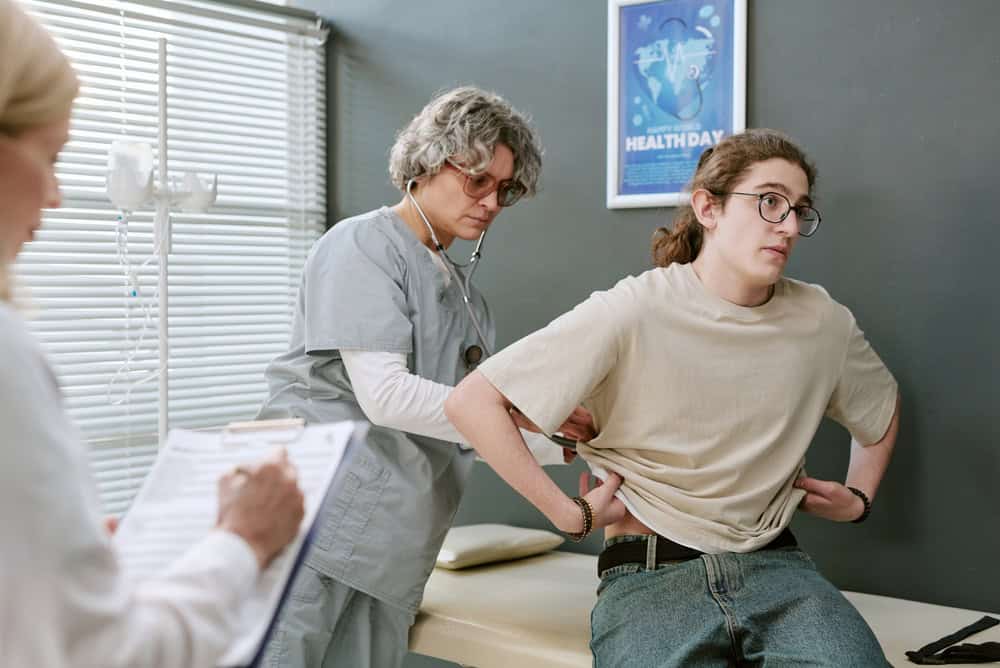
Footwear plays a larger role in posture than many people realise. Every step begins at the feet, and the way the feet interact with the ground influences the alignment of the ankles, knees, hips, pelvis, and spine. Shoes that alter natural foot mechanics can gradually affect posture and movement patterns throughout the body. Over time this may contribute to discomfort in the feet, knees, hips, or lower back. At Adam Vital Physiotherapy & Rehabilitation Center in Dubai, physiotherapists often consider footwear as part of a broader evaluation of posture and movement. Individuals experiencing postural strain or lower limb discomfort may benefit from Posture Correction / Postural Rehab, where alignment, muscle balance, and everyday factors such as footwear are assessed together to support better movement and long term recovery.
The Foot as the Foundation of Posture
The feet provide the base of support for the entire body. Each foot contains multiple joints, ligaments, and muscles that work together to absorb impact and maintain balance during standing and walking.
When the feet move efficiently, they help distribute forces evenly through the lower limbs and spine. This balanced distribution allows the body to maintain upright posture with minimal strain.
If foot mechanics change due to footwear, structural differences, or muscle imbalance, the body may compensate higher up the chain. These compensations can influence the alignment of the knees, hips, and spine.
How Footwear Affects Alignment
The design of a shoe can influence how the foot contacts the ground and how weight is distributed across the foot.
Changes in heel height, arch support, sole stiffness, and overall shoe shape can alter the natural movement of the foot during walking or standing.
When footwear restricts natural foot motion or shifts the body’s centre of gravity, other joints must adjust to maintain balance.
The Impact of High Heels on Posture
High heels are one of the most well known examples of footwear influencing posture.
Shift in Body Weight
Elevating the heel shifts body weight forward toward the front of the foot. To compensate, the body often increases the arch in the lower back and shifts the pelvis forward.
This adjustment may place additional stress on the lumbar spine and surrounding muscles.
Changes in Knee and Hip Alignment
High heels may also influence knee positioning and hip mechanics. The altered alignment can change how forces move through the lower limbs during walking.
Over time these changes may contribute to fatigue or discomfort in the lower body.
Footwear With Limited Support
Shoes that lack adequate structure or cushioning may also influence posture and movement patterns.
Minimal Arch Support
If a shoe provides insufficient support for the arch of the foot, the foot may collapse inward during walking. This pattern, often referred to as excessive pronation, can influence the alignment of the ankles and knees.
The body may compensate further up the chain, affecting hip and pelvic alignment.
Thin or Unsupportive Soles
Very thin soles may reduce shock absorption, particularly on hard surfaces. When impact forces are not absorbed effectively by the footwear, they travel upward through the joints of the lower limbs and spine.
This can contribute to fatigue during prolonged standing or walking.
Overly Rigid Footwear
While some support is beneficial, excessively rigid shoes may also influence foot mechanics.
If the sole of a shoe prevents natural foot movement, the muscles of the foot may become less active. Over time this can reduce the foot’s ability to stabilise the body effectively.
Encouraging natural movement of the foot while maintaining appropriate support is often the goal.
Signs That Footwear May Be Affecting Posture
Certain symptoms may suggest that footwear is influencing alignment or movement.
Foot or Heel Pain
Discomfort in the feet may indicate that the foot is not supported appropriately during walking or standing.
Knee or Hip Discomfort
Changes in foot mechanics can influence how forces travel through the lower limbs, sometimes leading to strain in the knees or hips.
Lower Back Fatigue
If the body’s alignment changes due to footwear, the muscles supporting the lower back may work harder to maintain balance.
This can lead to fatigue or tension after prolonged standing or walking.
How Physiotherapy Evaluates Footwear and Posture
At Adam Vital Physiotherapy & Rehabilitation Center, physiotherapists assess how the feet interact with the ground during standing and walking. This assessment often includes observation of foot alignment, ankle mobility, and gait patterns.
The type of footwear a patient commonly uses may also be discussed. Understanding daily habits helps identify factors that may influence posture and movement.
By combining this information with evaluation of the hips, pelvis, and spine, physiotherapists can develop a comprehensive understanding of how alignment changes throughout the body.
Choosing Footwear That Supports Healthy Posture
Selecting appropriate footwear can help support balanced movement and reduce unnecessary strain.
Stable Heel Height
Shoes with moderate heel height often allow the body to maintain more natural alignment compared with very high heels.
Appropriate Arch Support
Footwear that supports the natural arch of the foot can help maintain alignment during walking and standing.
Flexible Yet Supportive Soles
A sole that allows natural movement while still providing cushioning and stability can support efficient walking mechanics.
Strengthening the Feet for Better Posture
Foot strength is another important component of posture. The small muscles within the feet help stabilise the arches and maintain balance.
Exercises that strengthen these muscles can improve foot control and support better alignment throughout the lower limbs.
Physiotherapy programs often include foot and ankle exercises alongside strengthening of the hips and core.
Daily Habits That Influence Foot and Posture Health
In addition to footwear selection, daily habits play a role in maintaining healthy posture.
Alternating Footwear
Rotating between different types of supportive footwear can reduce repetitive stress on the same structures.
Movement Breaks
Taking breaks from prolonged standing or walking allows the muscles of the feet and lower limbs to recover.
Foot Mobility Exercises
Gentle exercises that improve mobility and strength in the feet can support balanced movement and posture.
Conclusion
Footwear can influence posture by altering how the feet interact with the ground and how forces move through the body during standing and walking. Shoes that shift alignment, limit natural movement, or provide insufficient support may gradually contribute to discomfort in the feet, lower limbs, or spine.
Through careful physiotherapy assessment and guidance, it is possible to identify how footwear and foot mechanics influence posture. At Adam Vital Physiotherapy & Rehabilitation Center, treatment programs combine movement assessment, strengthening exercises, and practical advice to support healthy alignment and efficient movement. If posture related discomfort or lower limb strain is affecting your daily activities, booking a physiotherapy assessment is the first step toward restoring balanced posture and comfortable movement.
