
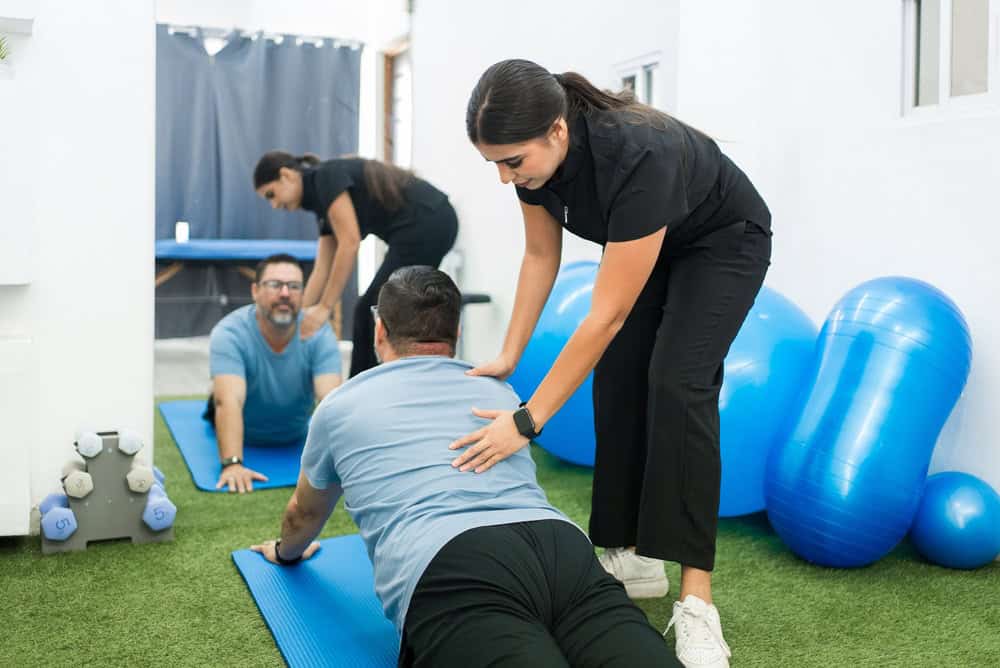
Persistent discomfort in the neck, shoulders, or lower back is often linked to the way the body holds and moves itself throughout the day. When posture places repeated stress on muscles and joints, the body gradually develops patterns of tension and fatigue that may lead to pain syndromes. These conditions do not usually appear suddenly. Instead, they develop over time as posture related strain accumulates during daily activities such as desk work, driving, or prolonged sitting. At Adam Vital Physiotherapy & Rehabilitation Center in Dubai, physiotherapists carefully evaluate how posture contributes to pain and movement limitations. Many individuals experiencing ongoing discomfort benefit from Posture Correction / Postural Rehab, which focuses on identifying the underlying causes of postural strain and restoring balanced movement and spinal support.
Understanding Posture Related Pain
Posture related pain develops when muscles and joints are repeatedly placed under uneven load. When the body remains in positions that place stress on certain structures, surrounding tissues may become irritated or fatigued.
Over time, the body may attempt to compensate by activating additional muscles to stabilise the affected area. These compensations can create a cycle of tightness, weakness, and altered movement patterns.
Physiotherapy focuses on identifying these patterns and restoring balanced alignment and muscle activity.
Common Posture Related Pain Syndromes
Several conditions are frequently associated with prolonged postural strain.
Upper Crossed Syndrome
Upper crossed syndrome refers to a pattern of muscle imbalance affecting the neck, shoulders, and upper back. It commonly develops in individuals who spend long periods sitting at a desk or using electronic devices.
In this pattern, the chest muscles and upper neck muscles become tight while the deep neck flexors and upper back muscles weaken. This imbalance often contributes to forward head posture and rounded shoulders.
Symptoms may include neck stiffness, shoulder tension, headaches, and fatigue across the upper back.
Lower Crossed Syndrome
Lower crossed syndrome affects the lower back, pelvis, and hips. It typically develops when the hip flexor muscles and lower back muscles become tight while the abdominal and gluteal muscles weaken.
This imbalance can lead to an exaggerated arch in the lower back and increased strain on the lumbar spine.
Individuals with this pattern may experience lower back discomfort, hip tightness, or reduced stability during movement.
Postural Kyphosis
Postural kyphosis refers to excessive rounding of the upper back that develops due to prolonged slouching or reduced upper back strength.
This posture can place strain on the muscles supporting the spine and may affect shoulder mobility and breathing mechanics.
Common symptoms include upper back fatigue, shoulder tension, and reduced endurance during sitting or standing.
Forward Head Posture Syndrome
Forward head posture occurs when the head moves forward relative to the shoulders. This pattern increases the load placed on the muscles and joints of the cervical spine.
Individuals with this condition often experience neck stiffness, headaches, and discomfort around the shoulders.
Forward head posture frequently develops in association with prolonged screen use.
How Posture Contributes to Pain
When posture shifts away from balanced alignment, certain muscles must work harder to maintain stability. Over time this increased demand can lead to fatigue and irritation of surrounding tissues.
Joint structures may also experience increased pressure when alignment changes. For example, excessive spinal curvature may alter how forces are distributed through the vertebrae and discs.
By addressing posture and movement patterns, physiotherapy helps reduce these stresses and improve overall comfort.
Factors That Increase Postural Strain
Several lifestyle factors can contribute to posture related pain syndromes.
Prolonged Sitting
Remaining seated for long periods can reduce muscle activation and encourage slouched posture.
Desk Based Work
Workstations that are not properly adjusted may contribute to forward head posture and rounded shoulders.
Limited Physical Activity
Reduced movement throughout the day may weaken the muscles responsible for supporting posture.
Repetitive Movements
Repetitive tasks performed with poor posture can reinforce muscle imbalances and increase strain on joints.
How Physiotherapy Addresses Postural Pain
At Adam Vital Physiotherapy & Rehabilitation Center, treatment begins with a detailed assessment of posture, movement patterns, and muscle balance.
Physiotherapists evaluate how the spine, shoulders, and pelvis align during both static posture and functional movement. This assessment helps identify the underlying factors contributing to discomfort.
Once these patterns are understood, a personalised rehabilitation plan is developed to restore balanced movement.
Exercises Used in Postural Rehabilitation
Exercise programs are designed to address both muscle weakness and tightness.
Strengthening Exercises
Strengthening the muscles of the core, upper back, and hips helps support the spine and maintain balanced alignment.
Mobility and Stretching
Stretching tight muscles allows the body to return to a more neutral posture and improves joint mobility.
Movement Retraining
Learning to move with improved posture during everyday activities helps prevent the recurrence of strain.
These exercises are gradually progressed to support long term improvement.
The Importance of Daily Habits
Posture related pain often develops through daily routines. Adjusting these habits plays an important role in recovery.
Ergonomic Workspaces
Ensuring that screens, chairs, and desks support balanced posture helps reduce strain during desk work.
Regular Movement Breaks
Standing, stretching, and walking periodically throughout the day helps reduce muscle fatigue.
Postural Awareness
Recognising when posture begins to change allows individuals to correct alignment before discomfort develops.
What to Expect During Recovery
Recovery from posture related pain syndromes usually involves gradual improvement as muscle strength and mobility increase.
Many patients notice reduced tension and improved comfort within several physiotherapy sessions. Continued progress depends on consistent exercise and supportive daily habits.
The aim is to create movement patterns that allow the body to function efficiently without excessive strain.
Conclusion
Posture related pain syndromes develop when muscle imbalances and prolonged postural strain place stress on the body’s supporting structures. Conditions such as upper crossed syndrome, lower crossed syndrome, and forward head posture can contribute to persistent discomfort in the neck, shoulders, and lower back.
Through careful assessment and targeted rehabilitation, physiotherapy can address the underlying causes of these conditions and help restore balanced posture. At Adam Vital Physiotherapy & Rehabilitation Center, treatment focuses on improving alignment, strengthening key muscles, and guiding practical lifestyle adjustments that support long term spinal health. If posture related pain is affecting your daily activities, booking a physiotherapy assessment is the first step toward restoring comfort and confident movement.
