
Maintaining upright posture is not only about standing straight while remaining still. Posture is constantly influenced by how the body moves during everyday tasks such as lifting, reaching, walking, or working at a desk. When movement patterns place excessive strain on certain muscles or joints, the body gradually adapts in ways that may affect alignment and comfort. Over time these patterns can contribute to fatigue, stiffness, or persistent discomfort in the neck, shoulders, or lower back. At Adam Vital Physiotherapy & Rehabilitation Center in Dubai, physiotherapy focuses on helping patients improve posture during real life movement. Many individuals experiencing posture related discomfort benefit from Posture Correction / Postural Rehab, where rehabilitation programs combine strengthening, mobility work, and movement retraining to support better posture during functional tasks.
Understanding Functional Posture
Functional posture refers to the way the body maintains alignment while performing everyday movements. Unlike static posture, which describes how the body is positioned while standing or sitting still, functional posture focuses on posture during activity.
When the body moves efficiently, the spine maintains its natural curves while muscles coordinate to support the movement. This allows joints to distribute load evenly and reduces unnecessary strain.
If movement patterns become inefficient, the body may rely on compensations that alter alignment and increase stress on certain structures.
Why Functional Movement Influences Posture
The body rarely remains completely still during daily life. Activities such as bending, lifting, and reaching require coordination between multiple joints and muscles.
If certain muscles are weak or joints lack mobility, other parts of the body may compensate. For example, limited hip mobility may cause excessive bending through the lower back, or reduced upper back mobility may lead to shoulder strain during reaching tasks.
Over time these compensations can influence posture both during movement and at rest.
Common Functional Tasks That Affect Posture
Several everyday activities have a significant influence on posture and movement patterns.
Lifting Objects
Lifting tasks are common both at home and at work. When lifting is performed primarily through the lower back rather than the hips and legs, the spine may experience increased strain.
Learning to engage the hips and core during lifting helps distribute load more evenly across the body.
Reaching and Overhead Activities
Reaching for objects, particularly overhead, requires coordination between the shoulders, upper back, and core muscles. If the upper back lacks mobility or the shoulder blades are not stable, the neck or lower back may compensate.
Improving shoulder and upper back movement helps maintain balanced posture during these tasks.
Sitting and Standing Transitions
Moving from sitting to standing involves coordination between the hips, knees, and core muscles. When performed with good alignment, the movement is efficient and places minimal strain on the spine.
If the movement relies heavily on the lower back or is performed with rounded posture, discomfort may develop over time.
Walking and Daily Mobility
Walking is one of the most common functional movements. Efficient walking posture allows the spine, hips, and legs to work together smoothly.
Altered walking patterns may affect posture and contribute to muscle fatigue or imbalance.
The Role of Core Stability in Functional Posture
The muscles of the core play a central role in supporting the spine during movement. These muscles provide stability that allows the arms and legs to move efficiently.
When the core muscles are functioning effectively, the spine remains supported during bending, lifting, and reaching.
Reduced core stability may lead to excessive movement in the lower back and increased strain during functional tasks.
Scapular Control During Movement
The shoulder blades guide how the arms move during everyday activities. Stable scapular movement allows the shoulders to function efficiently and supports upright posture.
When the muscles controlling the shoulder blades become weak or unbalanced, the shoulders may round forward or elevate during tasks such as reaching.
Strengthening these muscles helps maintain better alignment during upper body movements.
Hip Mobility and Posture
The hips play a significant role in many functional movements. Adequate hip mobility allows the body to bend and move without excessive stress on the spine.
If hip movement becomes restricted, the lower back often compensates. This compensation can influence posture during lifting and bending activities.
Improving hip mobility and strength helps support balanced movement patterns.
How Physiotherapy Improves Functional Posture
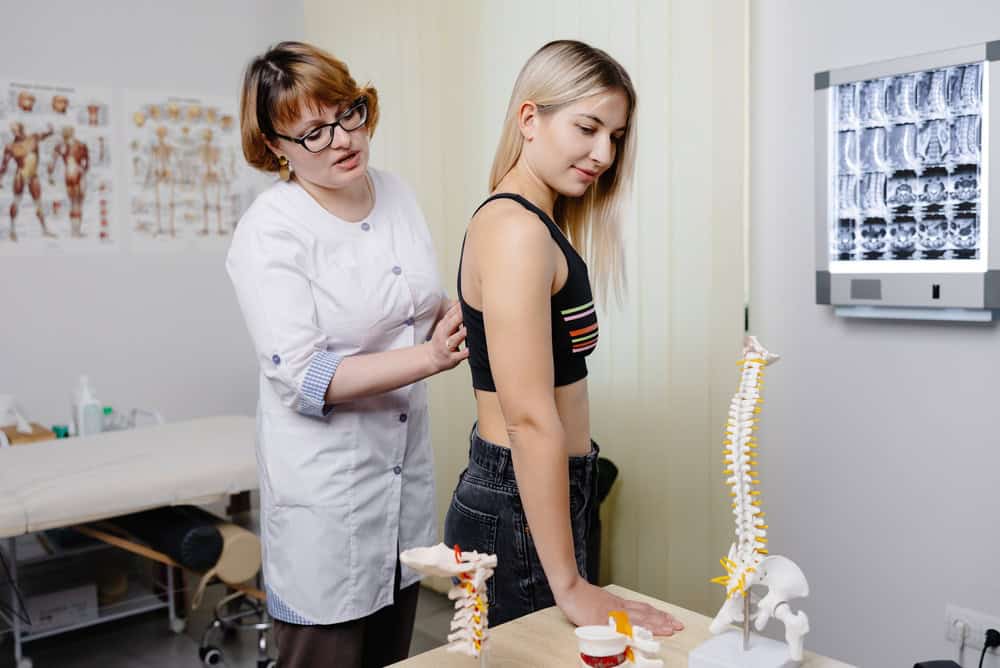
At Adam Vital Physiotherapy & Rehabilitation Center, physiotherapists assess how patients perform common functional movements. This may include observing bending, lifting, reaching, walking, and transitioning between positions.
The assessment helps identify which muscles require strengthening, which joints need improved mobility, and how movement patterns can be adjusted.
Rehabilitation programs are then designed to address these specific factors.
Exercises Used to Improve Functional Posture
Physiotherapy exercises aim to improve both strength and coordination so that the body can maintain upright posture during activity.
Core Stabilisation Exercises
Exercises that strengthen the deep abdominal and spinal muscles help support the spine during movement.
Hip Strength and Mobility Training
Improving hip mobility and strengthening the gluteal muscles allows the hips to contribute effectively during bending and lifting.
Upper Back and Shoulder Exercises
Strengthening the muscles that stabilise the shoulder blades supports posture during reaching and overhead tasks.
These exercises are typically integrated into movements that mimic everyday activities.
Developing Awareness During Daily Tasks
Improving posture during functional tasks often begins with developing awareness of how the body moves.
Physiotherapists guide patients to recognise when posture changes during daily activities and how to adjust alignment gently.
Over time these adjustments become more natural, allowing posture improvements to carry over into everyday life.
What to Expect During Rehabilitation
As movement patterns improve, many patients notice reduced muscle tension and greater ease during daily activities. Tasks that once caused fatigue or discomfort often become more comfortable.
Consistent practice and physiotherapy guidance help reinforce healthier movement patterns. With time, the body develops stronger support for the spine and improved coordination during functional tasks.
The goal is to create movement habits that support upright posture naturally.
Conclusion
Posture is closely connected to the way the body performs everyday tasks. Activities such as lifting, reaching, walking, and transitioning between positions can influence spinal alignment and muscle balance.
Through physiotherapy assessment and targeted rehabilitation, it is possible to improve posture during these functional movements. At Adam Vital Physiotherapy & Rehabilitation Center, treatment programs focus on strengthening stabilising muscles, improving mobility, and guiding movement retraining so patients can move comfortably and efficiently. If posture related discomfort is affecting your daily activities, booking a physiotherapy assessment is the first step toward restoring balanced movement and long term physical confidence.
