
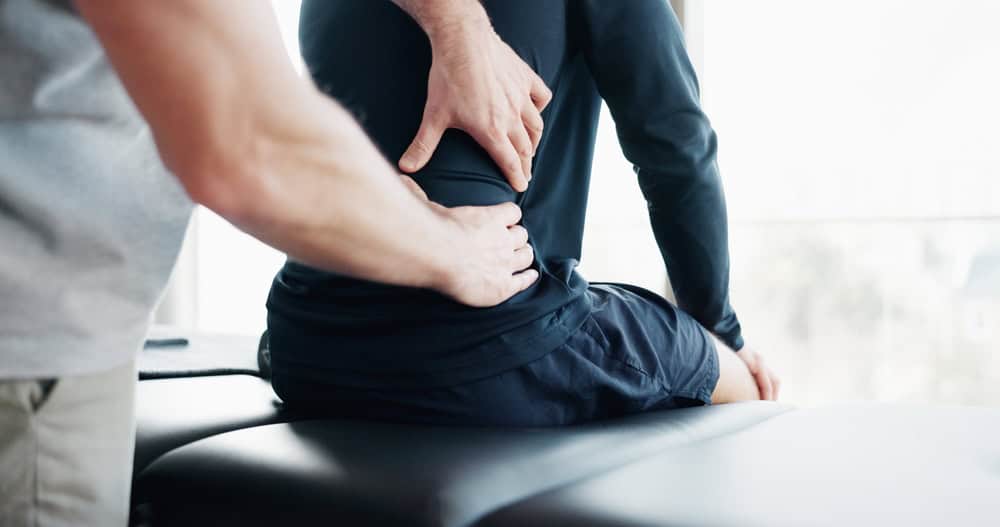
Daily habits such as sitting, standing, and working at a desk can place significant stress on the spine, especially when a disc is already irritated. Many patients with disc injuries notice that symptoms worsen during prolonged sitting, long workdays, or extended periods of standing. Small adjustments in posture and positioning can reduce spinal pressure and help control symptoms throughout the day. At Adam Vital Physiotherapy & Rehabilitation Center, recovery focuses not only on treatment sessions but also on improving how the spine is supported during everyday activities. For individuals experiencing disc-related symptoms, our Disc Bulge & Disc Herniation Treatment approach combines targeted rehabilitation with practical guidance on posture and movement habits that support healing and long-term spinal health.
Why Posture Matters for Disc Health
Intervertebral discs respond to the mechanical loads placed on the spine. Certain positions increase pressure within the discs, particularly when maintained for long periods without movement.
Slouched sitting, prolonged forward bending, or standing with poor weight distribution can place additional stress on the lumbar discs. Over time, this pressure may aggravate symptoms or slow recovery from an existing disc injury.
Making small adjustments to posture and positioning allows the spine to maintain a more neutral alignment, which reduces unnecessary strain on the discs and surrounding nerves.
Understanding Neutral Spine Alignment
A neutral spine position refers to the natural curves of the spine being maintained without excessive rounding or arching. In this position, the spine distributes mechanical forces efficiently.
Neutral alignment does not mean rigid posture. Instead, it means maintaining balanced spinal positioning while allowing natural movement.
For individuals recovering from a disc injury, learning how to maintain neutral alignment during sitting and standing can significantly reduce discomfort during daily activities.
Improving Sitting Posture
Sitting is one of the most common triggers for disc-related discomfort, particularly for people who spend long hours working at a desk or driving. In a seated position, pressure within the lumbar discs often increases compared with standing.
Adjusting sitting posture can help reduce this pressure and support the spine more effectively.
Maintain Upright Alignment
When sitting, the pelvis should be positioned so that the spine maintains its natural curve. Sitting upright with the hips positioned toward the back of the chair helps prevent slouching.
The shoulders should remain relaxed while the head stays aligned above the shoulders rather than drifting forward.
Use Lumbar Support
A small lumbar support or rolled towel placed behind the lower back can help maintain the natural curve of the lumbar spine. This support reduces the tendency to slump during prolonged sitting.
Maintaining lumbar support allows the discs to experience more balanced loading.
Position the Feet Correctly
The feet should remain flat on the floor with the knees positioned approximately at hip level. If the chair height prevents this, a footrest can help achieve a stable and balanced sitting position.
Stable foot positioning reduces tension in the hips and lower back.
Keep Screens at Eye Level
When a computer screen is positioned too low, the neck and upper back tend to bend forward. Over time, this posture can increase stress on both the cervical and lumbar spine.
Adjusting the screen height so that the top portion is near eye level helps maintain upright spinal alignment.
Managing Prolonged Sitting
Even with ideal posture, sitting for long periods can increase disc pressure. Regular movement breaks are essential for maintaining spinal health.
Take Movement Breaks
Standing, walking, or performing gentle stretching every 30 to 45 minutes can help reduce sustained spinal loading. These short breaks allow the discs to experience different pressure patterns and reduce stiffness.
Alternate Positions
Using a sit-to-stand workstation or occasionally working while standing can reduce continuous pressure on the lumbar discs. Alternating positions helps distribute load across different structures.
Improving Standing Posture
Standing may feel more comfortable than sitting for some patients with disc injuries, but standing posture also influences spinal loading. Balanced alignment helps the spine remain supported during prolonged standing.
Distribute Weight Evenly
Weight should be distributed evenly between both feet rather than leaning to one side. Uneven weight distribution can create asymmetrical forces through the pelvis and lower back.
Standing with the feet approximately hip-width apart allows the body to remain balanced and stable.
Maintain Relaxed Knees
Locking the knees while standing may place additional stress on the lower back. Keeping a slight bend in the knees allows the muscles of the legs and hips to absorb some of the load.
Align the Head and Shoulders
The head should remain aligned above the shoulders rather than leaning forward. Forward head posture increases strain through the neck and upper back.
Relaxed shoulders and balanced head positioning help maintain overall spinal alignment.
Standing for Long Periods
Certain professions require extended periods of standing, which can fatigue the lower back if posture and support are not managed carefully.
Use a Foot Support
Placing one foot on a small stool or footrest periodically can reduce lumbar strain. Alternating the supported foot allows the spine to change position and reduces prolonged tension.
Shift Weight Regularly
Gentle weight shifting from one foot to the other prevents static loading of the spine. This small movement helps maintain circulation and reduce muscle fatigue.
Transitioning Between Sitting and Standing
The movement between sitting and standing also influences spinal stress. Performing this transition with controlled movement helps protect the discs.
Use the Hips to Stand
When rising from a seated position, leaning slightly forward from the hips and using the leg muscles to stand reduces strain on the lower back.
The spine should remain relatively neutral rather than rounding excessively.
Control the Descent When Sitting
When returning to a seated position, lowering the body with control helps maintain spinal alignment. Using the leg muscles rather than collapsing into the chair protects the spine.
How Physiotherapy Supports Postural Improvement
Posture adjustments are most effective when combined with strengthening and movement training. Improving core stability and hip strength allows the body to maintain better alignment throughout the day.
At Adam Vital Physiotherapy & Rehabilitation Center, physiotherapists evaluate how posture, muscle control, and daily habits contribute to symptoms.
Personalised Posture Guidance
Each patient receives practical guidance tailored to their work environment, lifestyle, and physical demands.
These adjustments are designed to support spinal health during real-life activities.
Strength and Movement Training
Exercises targeting the core and hip muscles improve the body’s ability to maintain stable posture during sitting, standing, and movement.
This approach supports both symptom relief and long-term resilience.
Building Sustainable Postural Habits
Posture is not about maintaining a single rigid position throughout the day. Instead, healthy spinal habits involve balanced alignment combined with regular movement.
Learning to recognise positions that increase discomfort and adjusting them early can help prevent symptoms from escalating.
Small daily adjustments often create meaningful improvements in spinal comfort and function.
Conclusion
Sitting and standing modifications are an important part of managing disc-related spinal conditions. By maintaining neutral spinal alignment, supporting the lower back, and incorporating regular movement breaks, patients can reduce unnecessary stress on the discs.
When combined with structured physiotherapy and strengthening exercises, these adjustments help protect the spine during everyday activities. With the right guidance and consistent habits, many individuals experience improved comfort, better mobility, and greater confidence in their daily movement.
