
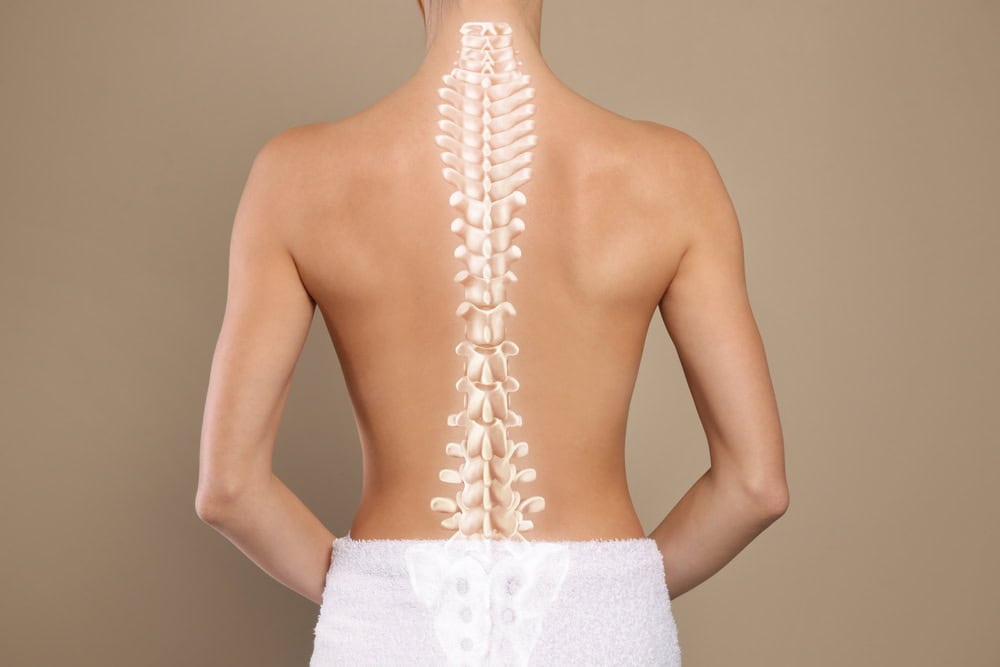
The way your body moves throughout the day has a direct impact on spinal health. Repeated bending, twisting, prolonged sitting, or standing with poor alignment can gradually place stress on the joints of the spine. When these patterns continue over time, they may contribute to irritation in the small joints at the back of the vertebrae. If you are exploring Facet Joint Dysfunction Treatment, understanding how movement patterns influence facet joint irritation can help you recognise why certain activities trigger discomfort and how physiotherapy can guide safer, more efficient movement.
How the Spine Moves During Daily Activity
The spine is designed to allow a combination of flexibility and stability. Everyday movements such as reaching, turning, walking, and lifting require the vertebrae to glide smoothly over one another.
Facet joints play a key role in guiding these movements. They help control the direction and range of spinal motion while preventing excessive rotation or extension.
When movement occurs in a balanced and coordinated way, forces are distributed across discs, muscles, and joints. However, if certain movement patterns repeatedly overload one area of the spine, the facet joints may become irritated.
This irritation can lead to stiffness, localized pain, and reduced mobility.
What Are Movement Patterns
Movement patterns refer to the way the body naturally performs common tasks. These patterns develop over time based on posture, strength, flexibility, and daily habits.
For example, the way a person bends to lift an object, sits at a desk, or turns while walking reflects their habitual movement pattern.
When these patterns are efficient, the body distributes load evenly. When they are inefficient, certain joints or muscles may experience excessive strain.
Facet joints are particularly sensitive to repeated mechanical stress caused by inefficient movement.
Common Movement Patterns That Irritate Facet Joints
Several common habits can increase mechanical stress on the spine and contribute to facet joint irritation.
Excessive Lumbar Extension
Leaning backward frequently or maintaining an exaggerated arch in the lower back increases compression on the facet joints. This posture often occurs during prolonged standing or certain exercises.
Over time, repeated extension can lead to joint irritation and stiffness.
Twisting Without Hip Involvement
Rotational movements should normally involve both the hips and the spine. When the hips remain stiff and rotation occurs primarily through the spine, the facet joints absorb more of the load.
This pattern may occur during sports, lifting, or everyday tasks such as reaching behind.
Poor Lifting Mechanics
Lifting objects with the back rather than using the hips and legs places significant stress on the spinal joints. When the spine twists or extends during lifting, the facet joints experience increased compression.
Repeated strain from improper lifting can contribute to chronic irritation.
Prolonged Static Postures
Remaining in one position for long periods, particularly sitting or standing with poor alignment, can gradually overload certain spinal segments.
Over time, reduced movement and sustained joint pressure may lead to stiffness and discomfort.
The Role of Muscle Imbalance
Movement patterns are strongly influenced by muscle strength and coordination. When certain muscles are weak while others become overactive, the body may compensate with inefficient movement strategies.
This imbalance can alter how forces travel through the spine.
Weak Core Stabilizers
The deep abdominal and spinal stabilizing muscles help control movement between vertebrae. When these muscles are weak, the facet joints may experience increased mechanical load.
Improving core stability allows the spine to move more efficiently.
Tight Hip Flexors
Tight hip flexor muscles can pull the pelvis forward, increasing the arch of the lower back. This posture places additional pressure on the lumbar facet joints.
Addressing hip flexibility can therefore reduce strain on the spine.
Reduced Glute Strength
The gluteal muscles support the pelvis and assist with lifting, walking, and climbing stairs. When these muscles are weak, the lower back may compensate, increasing spinal load.
Strengthening the glutes improves movement efficiency and reduces joint stress.
How Physiotherapy Identifies Movement Patterns
Identifying inefficient movement patterns is an important part of physiotherapy assessment. Rather than focusing only on where pain occurs, physiotherapists evaluate how the body moves during everyday tasks.
Functional Movement Assessment
Patients may be asked to perform activities such as bending, reaching, or lifting. These movements reveal how different parts of the body work together.
Observation allows the physiotherapist to identify areas of stiffness, compensation, or poor coordination.
Postural Evaluation
Posture provides valuable clues about how forces are distributed across the spine. Imbalances in posture can contribute to repetitive joint stress.
Small adjustments in alignment often reduce strain on the facet joints.
Muscle Strength and Mobility Testing
Assessing muscle strength and flexibility helps determine whether certain muscles are contributing to inefficient movement patterns.
This information guides the development of a personalised rehabilitation plan.
Correcting Movement Patterns Through Rehabilitation
Once problematic movement habits are identified, physiotherapy focuses on retraining the body to move more efficiently.
Movement Retraining
Patients learn how to perform everyday tasks with improved spinal alignment and coordination. This may include bending through the hips rather than the lower back or using the legs during lifting.
Practicing these techniques reduces stress on the facet joints.
Strengthening Exercises
Targeted strengthening exercises improve support from the core, hips, and upper back. These muscles help stabilize the spine and distribute load more evenly.
Stronger muscles support healthier movement patterns.
Mobility Training
Improving flexibility in the hips, thoracic spine, and surrounding muscles allows movement to occur across multiple joints rather than concentrating in one area.
This reduces excessive pressure on the facet joints.
Applying Better Movement in Daily Life
Improving movement patterns does not stop with exercise sessions. Patients are guided on how to apply these changes throughout daily activities.
This may include adjusting sitting posture at work, using proper lifting techniques, and incorporating regular movement breaks during long periods of sitting.
Small adjustments can significantly reduce repetitive strain on the spine.
Building Long-Term Spinal Resilience
Facet joint irritation often develops gradually as movement habits place repeated stress on the spine. Correcting these patterns helps prevent the same mechanical forces from continuing to irritate the joints.
Through targeted rehabilitation, improved strength, and better coordination, the spine becomes more resilient during everyday activity.
At Adam Vital Physiotherapy and Rehabilitation Center, rehabilitation focuses on understanding how your body moves and what it needs to function efficiently. With careful assessment, guided exercise, and practical movement strategies, treatment aims to reduce joint irritation, restore comfortable movement, and support long-term spinal health.
