
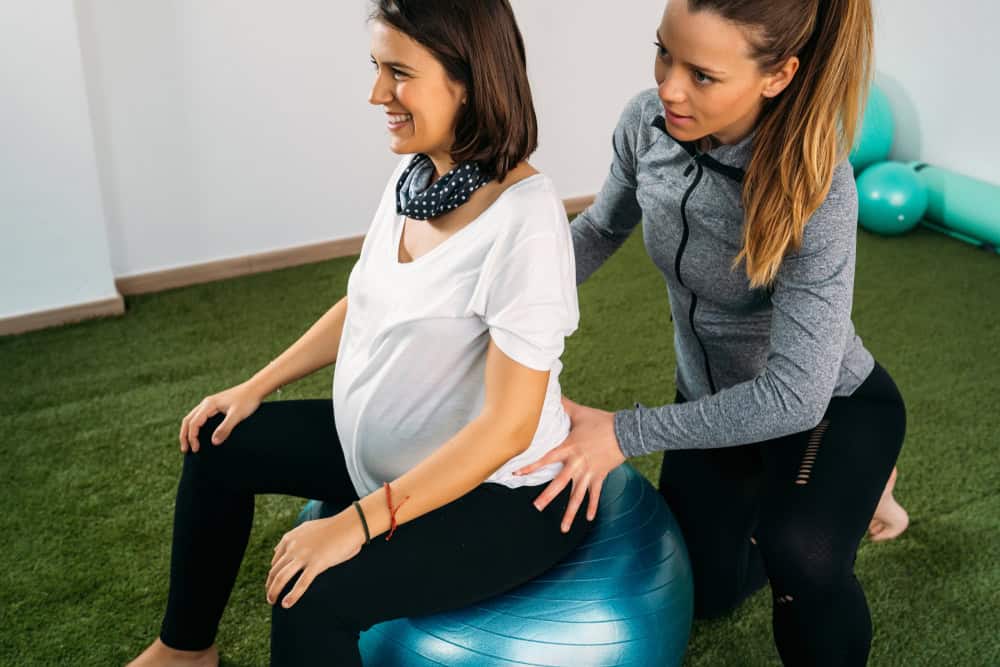
Kegel exercises are often recommended as a simple solution for pelvic floor issues, but many people are unsure whether they are doing them correctly or even whether they are appropriate for their symptoms. You may have been told to strengthen your pelvic floor, yet still experience discomfort, leakage, or lack of progress. Pelvic Floor Physiotherapy Treatment focuses on understanding whether Kegels are right for you and how to apply them effectively within a personalised, evidence-based plan.
What Are Kegel Exercises
Kegel exercises involve the intentional contraction and relaxation of the pelvic floor muscles. These are the same muscles used to control bladder and bowel function. When performed correctly, they can improve strength, endurance, and coordination.
The key is precision. Kegels are not simply about tightening. They require correct activation, appropriate timing, and the ability to fully relax afterward. Without this balance, the exercises may not deliver the intended results.
Benefits of Kegel Exercises
Improved Bladder and Bowel Control
One of the most recognised benefits of Kegel exercises is improved continence. Strengthening the pelvic floor can help prevent leakage during activities such as coughing, sneezing, or exercise. This is particularly relevant for individuals experiencing stress incontinence.
Enhanced Core Stability
The pelvic floor works as part of your deep core system. When it functions effectively, it contributes to better stability during movement. This can improve posture, support the spine, and enhance overall movement efficiency.
Support for Pelvic Organs
Strong and well-functioning pelvic floor muscles help maintain the position of the bladder, uterus, and rectum. This reduces the risk of symptoms such as heaviness or pressure.
Postnatal Recovery
After pregnancy and childbirth, the pelvic floor often requires rehabilitation. Kegel exercises, when guided correctly, can support recovery by rebuilding strength and control.
Improved Performance and Confidence
When your pelvic floor is functioning well, you are more confident in movement and activity. This includes exercise, daily tasks, and returning to sport.
Common Misconceptions About Kegels
Stronger Is Always Better
One of the most common misconceptions is that pelvic floor issues are always due to weakness. In reality, some individuals have muscles that are too tight and unable to relax. In these cases, performing Kegels can increase tension and worsen symptoms.
Strength is only one part of the equation. Function, coordination, and relaxation are equally important.
Everyone Should Do Kegels
Kegels are not suitable for everyone. Without proper assessment, it is not possible to determine whether your pelvic floor needs strengthening, relaxation, or coordination training. A general recommendation may not address your specific needs.
More Repetitions Lead to Faster Results
Performing a high number of repetitions without proper technique does not improve outcomes. Quality matters more than quantity. Incorrect activation can reinforce poor patterns and limit progress.
Holding Your Breath Improves Activation
Some people unintentionally hold their breath while performing Kegels. This increases pressure in the abdomen and can place additional strain on the pelvic floor. Effective Kegels are coordinated with breathing, allowing the muscles to work in a controlled and efficient way.
Kegels Are Only for Women
Pelvic floor function is important for both men and women. While often associated with postnatal recovery, Kegel exercises can also benefit men experiencing issues such as post-surgical recovery or continence challenges.
How to Perform Kegel Exercises Correctly
Identifying the Right Muscles
The first step is to correctly identify your pelvic floor muscles. This is often described as the sensation of gently lifting and tightening the muscles that control the flow of urine or prevent passing gas. It should feel subtle and controlled, not forced.
Correct Technique
Once the correct muscles are identified, the contraction should be gentle and precise. Avoid tightening surrounding muscles such as the glutes, thighs, or abdomen. The movement should be internal and controlled.
Equally important is the ability to fully relax the muscles after each contraction. This ensures that the pelvic floor can function through its full range.
Breathing Coordination
Breathing should remain natural during Kegels. As you exhale, the pelvic floor gently lifts. As you inhale, it relaxes. This coordination supports proper function and reduces unnecessary strain.
Progression and Endurance
Exercises can be progressed over time to improve endurance and control. This may include holding contractions for longer periods or integrating them into functional movements such as lifting or walking.
When Kegels May Not Be Appropriate
In cases of pelvic floor overactivity, Kegels may not be recommended initially. If the muscles are already tight, the focus should be on relaxation and reducing tension before introducing strengthening exercises.
Symptoms such as pelvic pain, difficulty emptying the bladder or bowels, or discomfort during sitting may indicate overactivity. In these situations, targeted physiotherapy is essential to guide the correct approach.
The Role of Professional Guidance
Many people are unsure whether they are performing Kegels correctly. Without feedback, it can be difficult to assess whether the right muscles are being activated. This is where professional guidance makes a significant difference.
At Adam Vital, assessment is used to determine whether Kegels are appropriate and how they should be performed. You are guided through the process with clear instructions and feedback to ensure accuracy.
Your plan is tailored to your specific needs. This may include strengthening, relaxation, coordination training, or a combination of approaches. Progress is monitored and exercises are adjusted as you improve.
Integrating Kegels Into Daily Life
Kegel exercises are most effective when integrated into functional activities. This means learning how to activate your pelvic floor during movements such as lifting, exercising, or changing position.
This approach ensures that improvements translate into real-life outcomes. The goal is not just stronger muscles, but better control and confidence in daily activities.
What Results to Expect
With correct technique and consistency, many people begin to notice improvements within a few weeks. This may include better control, reduced symptoms, and improved confidence in movement.
The timeline varies depending on the underlying issue, severity of symptoms, and adherence to the plan. Clear guidance and regular follow-up help ensure steady progress.
Conclusion
Kegel exercises can be highly effective when used appropriately, but they are not a universal solution. Understanding whether your pelvic floor needs strengthening, relaxation, or improved coordination is essential for achieving results. With the right assessment and guidance, Kegels can form part of a structured, personalised plan that restores function and supports long-term recovery. If you are unsure whether you are performing them correctly or whether they are right for you, booking an assessment is the first step toward clear answers and measurable progress.
