
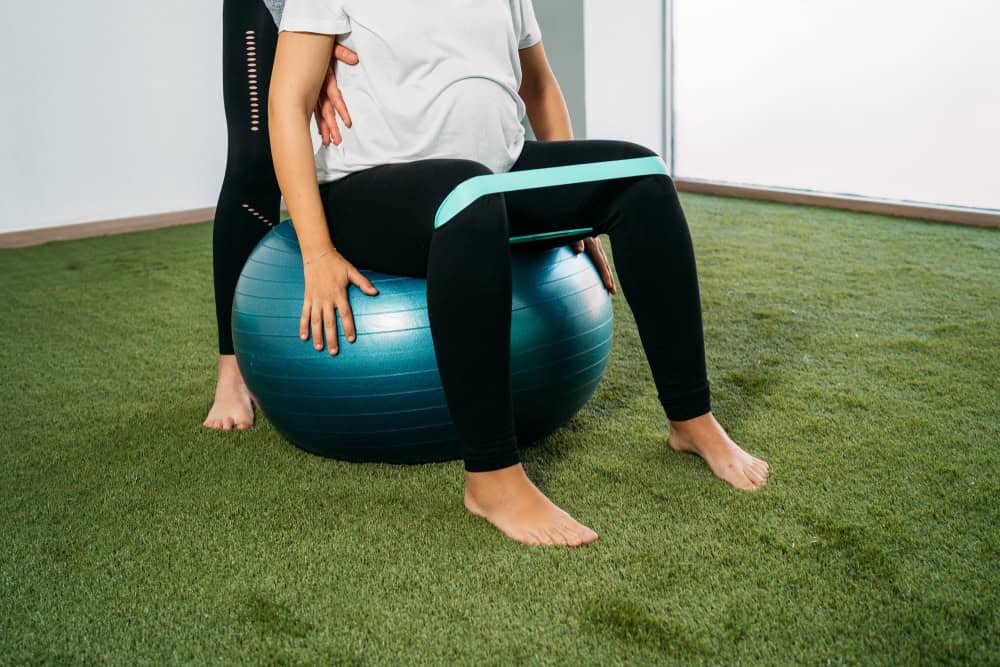
If you are experiencing symptoms such as leakage, discomfort, or reduced core control, understanding how your pelvic floor is functioning is the first step toward effective recovery. Many people attempt exercises without knowing whether their muscles are weak, overactive, or simply not coordinating well. Pelvic Floor Physiotherapy Treatment begins with a structured assessment process designed to identify the root cause and guide a targeted, evidence-based plan.
Why Pelvic Floor Assessment Matters
Pelvic floor dysfunction is not a one-size-fits-all condition. Two people with similar symptoms may have completely different underlying issues. One may have weak muscles that need strengthening, while another may have tight muscles that need to learn how to relax.
An accurate assessment ensures that treatment is specific to your body and your needs. Without this, exercises can be ineffective or, in some cases, make symptoms worse. The goal is clarity. What is happening, why it is happening, and what needs to change.
What to Expect During an Assessment
Your assessment at Adam Vital is designed to be thorough, respectful, and clearly explained at every step. It begins with a conversation. You will be asked about your symptoms, daily activities, medical history, and goals. This helps build a complete picture of how your pelvic floor is affecting your life.
From there, a physical assessment is carried out to evaluate muscle function, movement patterns, and contributing factors. You are always guided through the process, with full consent and understanding of each step.
Subjective Assessment and Symptom Review
Understanding Your Symptoms
Your physiotherapist will ask specific questions about when symptoms occur, what triggers them, and how they impact your daily life. This may include bladder and bowel habits, exercise routines, and any discomfort or pain you are experiencing.
This stage is essential. It provides insight into patterns that are not always visible during physical testing.
Medical and Lifestyle Factors
Previous pregnancies, surgeries, injuries, and activity levels all influence pelvic floor function. Your physiotherapist will explore these factors to identify potential contributors to your symptoms.
External Physical Assessment
Posture and Alignment
Your posture plays a key role in how your pelvic floor functions. The assessment will look at how you stand, sit, and move, identifying any imbalances that may place strain on your core system.
Breathing Patterns
The relationship between your diaphragm and pelvic floor is closely assessed. Inefficient breathing patterns can disrupt how the pelvic floor contracts and relaxes, affecting both stability and control.
Abdominal and Core Function
Your abdominal muscles work alongside your pelvic floor. Weakness, overactivity, or poor coordination in this area can influence pelvic floor performance. The assessment evaluates how these systems work together during movement.
Movement Analysis
Functional movements such as squatting, bending, or lifting may be assessed to understand how your body manages pressure and stability. This provides insight into how symptoms may be triggered during daily activities.
Internal Pelvic Floor Examination
Muscle Strength and Endurance
Where appropriate and with your consent, an internal assessment may be performed to evaluate the strength and endurance of the pelvic floor muscles. This allows for accurate grading of muscle function.
The focus is not only on how strong the muscles are, but how well they can sustain a contraction over time.
Muscle Tone and Relaxation
The assessment also looks at whether the muscles can fully relax. Overactive pelvic floor muscles are often unable to release tension, which can lead to discomfort and functional limitations.
Coordination and Timing
Your physiotherapist will assess how well the pelvic floor responds to cues and how it coordinates with breathing and movement. This is particularly important for activities such as coughing, lifting, or exercising.
Sensitivity and Pain Response
If you are experiencing pain, the assessment helps identify specific areas of sensitivity or tension. This guides treatment strategies aimed at reducing discomfort and improving function.
Use of Biofeedback and Technology
Biofeedback Assessment
Biofeedback is a tool that provides real-time information about muscle activity. Sensors are used to measure how your pelvic floor muscles contract and relax, giving both you and your physiotherapist a clearer understanding of muscle performance.
This can be particularly useful if you are unsure whether you are activating the correct muscles.
Ultrasound Imaging
In some cases, ultrasound may be used to visualise how the pelvic floor and surrounding muscles are working. This provides a non-invasive way to assess movement and coordination.
Functional Testing
Pressure Management
Your ability to manage pressure within your abdomen is assessed during activities such as lifting or coughing. Poor pressure control can place strain on the pelvic floor and contribute to symptoms.
Activity-Specific Assessment
If your symptoms occur during specific activities such as running or gym training, these movements may be assessed to understand how your pelvic floor responds in real-life situations.
How Assessment Findings Shape Your Plan
Once the assessment is complete, your physiotherapist will explain the findings in clear, simple terms. You will understand what is working well, what needs improvement, and why your symptoms are occurring.
Your treatment plan is then tailored to address these findings. This may include strengthening exercises, relaxation techniques, coordination training, and movement adjustments. The focus is always on measurable progress and functional outcomes.
You will also be given clear guidance on what to expect, how long recovery may take, and what you can do between sessions to support your progress.
Addressing Common Concerns
Is the Assessment Uncomfortable
Pelvic floor assessments are conducted with care, professionalism, and respect. You are always in control of the process, and any internal assessment is optional. Your comfort and understanding are a priority throughout.
Do I Need an Internal Assessment
Not all assessments require internal examination. In some cases, sufficient information can be gathered through external assessment and functional testing. Your physiotherapist will discuss what is appropriate for you.
When to Book an Assessment
If you are experiencing symptoms such as leakage, discomfort, or reduced control, an assessment can provide clarity and direction. Early assessment allows for earlier intervention, which can improve outcomes and prevent symptoms from progressing.
Even if symptoms are mild, understanding your pelvic floor function can help you move with greater confidence and reduce the risk of future issues.
Conclusion
Pelvic floor muscle assessment is a detailed and structured process designed to understand how your body is functioning and why symptoms are occurring. It goes beyond identifying weakness and looks at strength, coordination, relaxation, and movement patterns. With a clear assessment, treatment becomes targeted, effective, and aligned with your goals. If you are experiencing changes in control, comfort, or performance, booking an assessment is the first step toward restoring function and achieving measurable, lasting progress.
