
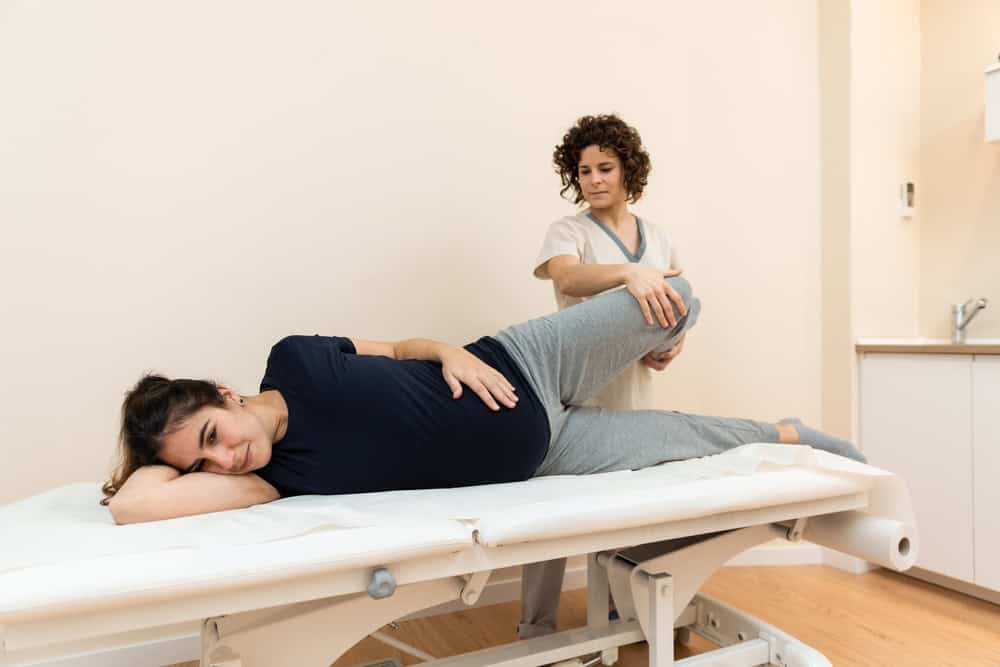
As you approach delivery, many women begin to think about how labour will feel and what they can do to support their body through the process. One of the most practical and often overlooked areas of preparation is understanding and practising labour positions. The way you position your body during labour can influence comfort, efficiency, and your ability to manage effort. With guidance from Pregnancy Physiotherapy, you can prepare for labour positions in a structured way, improving mobility, control, and confidence.
Why Labour Positions Matter
Labour is physically demanding and requires your body to move, adapt, and respond to changing levels of effort. Different positions can help reduce pressure, support your pelvis, and allow your baby to move through the birth canal more effectively.
Remaining in one position for too long can increase discomfort and fatigue. Having the ability to move between positions allows you to respond to your body and maintain comfort throughout labour.
Preparation ensures that these positions feel familiar, controlled, and supported rather than unfamiliar or difficult to manage.
How Your Body Needs to Prepare
Pelvic Mobility
Your pelvis needs to move and adapt during labour. Improving mobility in this area supports more efficient positioning and reduces unnecessary tension.
Strength and Endurance
Holding certain positions requires strength in your legs, hips, and upper body. Building this strength helps you maintain positions without excessive fatigue.
Breathing and Control
Coordinating your breathing with movement supports pressure management and helps you stay in control during effort.
Confidence in Movement
Practising positions before labour helps you feel more confident and reduces uncertainty.
Common Labour Positions and Their Benefits
Upright Positions
Standing, walking, or leaning forward allows gravity to assist in the movement of your baby. These positions can reduce pressure on your lower back and support progression.
Supported Squatting
Squatting helps open the pelvis and create more space for your baby. Using support, such as a partner or stable surface, makes this position more manageable.
Side-Lying Position
Lying on your side can provide rest while maintaining good pelvic alignment. This position is often more comfortable during later stages of labour.
All-Fours Position
Being on your hands and knees can reduce pressure on the lower back and help your baby move into a favourable position.
Forward-Leaning Positions
Leaning onto a surface, such as a bed or chair, can reduce tension in the back and support relaxation.
How to Practise Labour Positions Safely
Start Early and Progress Gradually
Begin practising positions in a controlled environment. Gradually increase the time you spend in each position as your strength and comfort improve.
Use Support Where Needed
Using cushions, chairs, or a partner for support helps you maintain positions safely and comfortably.
Focus on Alignment
Maintaining good posture within each position reduces strain and improves effectiveness.
Coordinate Breathing
Practising breathing alongside movement helps prepare you for managing effort during labour.
Integrating Positions into Your Routine
Labour positions can be incorporated into your daily activities or exercise routine. For example, spending time in supported squatting or practising side-lying transitions can help build familiarity.
Short, consistent practice sessions are more effective than occasional longer sessions. This allows your body to adapt gradually.
Common Challenges and How to Address Them
Discomfort in Certain Positions
If a position feels uncomfortable, it may need to be modified. Adjusting support or alignment can often improve comfort.
Fatigue
Building endurance gradually helps you maintain positions for longer without excessive fatigue.
Uncertainty About What to Do
Guided practice provides clarity and ensures that you are using positions effectively.
The Role of Exercise in Preparation
Exercise programmes during pregnancy should include elements that support labour positions. This includes strengthening the legs and hips, improving mobility, and practising controlled movement.
These exercises help your body adapt to the demands of labour and improve your ability to move between positions.
What a Structured Approach Looks Like
Assessment of Movement and Strength
Your current mobility, strength, and comfort levels are assessed to guide your preparation.
Personalised Position Training
You are guided through positions that suit your body and stage of pregnancy.
Technique and Breathing Guidance
You learn how to use each position effectively, including how to coordinate breathing and effort.
Progressive Adaptation
Your preparation evolves as your pregnancy progresses, ensuring continued comfort and readiness.
Preparing for Recovery
Practising labour positions not only supports delivery but also helps maintain strength and mobility, which are important for recovery after birth.
A body that has been active and well-prepared is better able to return to daily activities.
Taking the Next Step
If you are unsure how to prepare for labour positions or want to feel more confident in your movement, a structured assessment can provide guidance. Understanding your body allows you to approach labour with clarity and control.
With a personalised plan, you can prepare effectively and move through labour with greater confidence.
Conclusion
Preparing for labour positions is a practical and effective way to support your body during delivery. By improving mobility, building strength, and practising controlled movement, you can reduce discomfort and enhance your ability to adapt during labour. With clear guidance and a structured approach, you can approach delivery feeling prepared, supported, and confident in your body’s ability to move and respond.
