
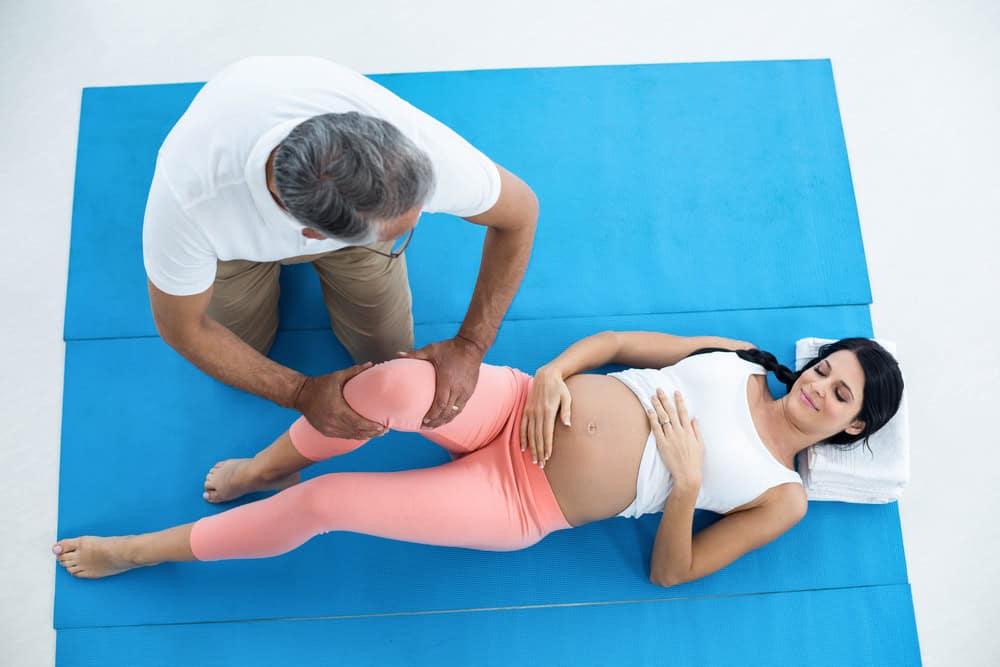
As your pregnancy progresses, everyday tasks such as sitting at a desk, standing for extended periods, or even sleeping can begin to feel uncomfortable. These changes are often linked to how your body is positioned and supported throughout the day. Poor ergonomics can increase strain on your back, pelvis, and joints, leading to unnecessary discomfort. With guidance from Pregnancy Physiotherapy, you can adjust your environment and movement habits to support your body, reduce strain, and maintain comfort as your pregnancy evolves.
Why Ergonomics Matter During Pregnancy
Your body is adapting to changes in weight distribution, posture, and joint stability. As your center of gravity shifts forward, your spine and pelvis are placed under increased demand.
Without proper support, this can lead to muscle fatigue, joint strain, and discomfort in areas such as the lower back, hips, neck, and shoulders. Ergonomics focuses on how you position your body and interact with your environment to reduce this strain.
Small adjustments can make a significant difference in how you feel throughout the day.
Common Challenges Expectant Mothers Face
Prolonged Sitting
Sitting for long periods, especially at a desk, can increase pressure on the lower back and pelvis. Poor posture can further contribute to discomfort.
Standing for Extended Periods
Standing without adequate support can lead to fatigue in the lower back and legs, as well as increased swelling.
Sleeping Discomfort
Finding a comfortable sleeping position becomes more difficult as your body changes, often leading to disrupted rest.
Repetitive Tasks
Activities such as typing, lifting, or household tasks can place repeated strain on certain areas if not performed with proper support.
Key Principles of Good Ergonomics
Neutral Alignment
Keeping your spine in a neutral position helps distribute load evenly and reduces strain on muscles and joints.
Support and Stability
Using supportive surfaces and positioning helps your body maintain alignment without excessive effort.
Movement Variety
Changing positions regularly prevents stiffness and reduces the build-up of strain in one area.
Controlled Movement
Moving with awareness and control during daily tasks helps protect your body and reduce discomfort.
Ergonomic Strategies for Sitting
Chair Support
Choose a chair that supports your lower back. A small cushion can be used to maintain the natural curve of your spine.
Foot Position
Keep your feet flat on the floor or supported on a footrest. Avoid crossing your legs, as this can create imbalance.
Screen Height
Your screen should be at eye level to reduce strain on your neck and shoulders.
Frequent Breaks
Stand up and move regularly to reduce stiffness and improve circulation.
Ergonomic Strategies for Standing
Even Weight Distribution
Keep your weight balanced between both feet. Avoid leaning heavily onto one side.
Use Support When Possible
Resting one foot on a small step or shifting positions can reduce strain on your lower back.
Wear Supportive Footwear
Comfortable, supportive shoes help reduce pressure on your feet and improve overall alignment.
Avoid Prolonged Standing
Take regular breaks to sit or move, preventing fatigue and discomfort.
Ergonomic Strategies for Sleeping
Side-Lying Position
Sleeping on your side, particularly with support between your knees, helps maintain pelvic alignment and reduce pressure.
Use of Pillows
Supporting your abdomen and back with pillows can improve comfort and reduce strain.
Mattress Support
A supportive mattress helps maintain alignment and reduces discomfort during rest.
Safe Movement in Daily Activities
Getting In and Out of Bed
Rolling onto your side and using your arms to push up reduces strain on your abdomen and back.
Lifting Objects
Use your legs rather than your back when lifting. Keep objects close to your body and avoid twisting movements.
Car Transfers
Keep your knees together when getting in and out of the car to reduce strain on your pelvis.
The Role of Exercise in Supporting Ergonomics
Exercise helps your body maintain the strength and control needed to support good posture and movement. Strengthening the core, hips, and back muscles improves your ability to maintain alignment throughout the day.
Mobility exercises reduce stiffness and support comfortable movement, while breathing techniques help manage pressure within the body.
What a Structured Approach Looks Like
Assessment of Posture and Movement
Your posture and daily habits are evaluated to identify areas of strain and imbalance.
Personalised Recommendations
Specific adjustments are provided for your work, home, and daily activities to improve comfort and support.
Exercise and Movement Guidance
You are guided through exercises that support your posture and reduce strain.
Ongoing Adaptation
As your pregnancy progresses, your ergonomic strategies are adjusted to match your changing needs.
Preparing for Birth and Recovery
Maintaining good ergonomics during pregnancy supports your body as it prepares for delivery. Reduced strain and improved movement patterns help maintain energy and comfort.
It also contributes to a smoother recovery after birth, as your body remains aligned and supported.
Taking the Next Step
If discomfort during daily activities is affecting your routine, a structured assessment can help identify what needs to change. Understanding how to position and support your body allows you to move with greater ease.
With the right guidance, you can create an environment and routine that supports your body throughout pregnancy.
Conclusion
Ergonomics for expectant mothers is about making simple, effective adjustments that support your body as it changes. By improving posture, using appropriate support, and moving with control, you can reduce discomfort and maintain function. With a clear and personalised approach, you can move through your pregnancy with greater comfort, confidence, and ease in your daily activities.
