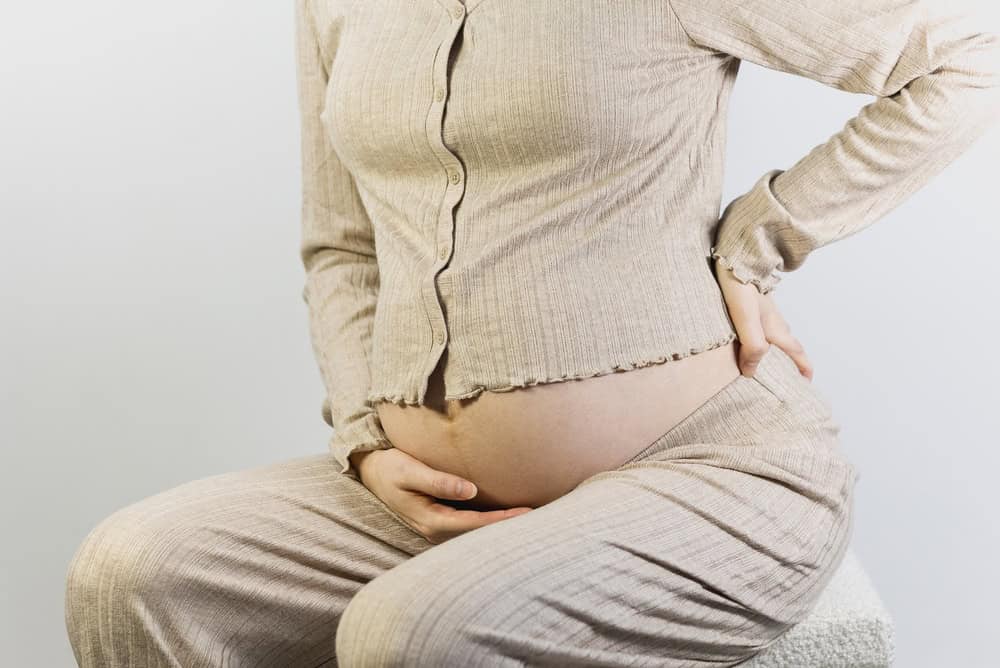
Pelvic girdle pain after childbirth can make everyday movement feel difficult and unpredictable. You may feel discomfort around your lower back, hips, or the front of your pelvis, especially when walking, standing on one leg, or changing positions. This can affect your confidence and your ability to carry out daily tasks comfortably. While this condition is common after pregnancy, it should not be ignored. With the right approach, symptoms can be managed and function restored. Many women begin this process through Postnatal Physiotherapy, where structured rehabilitation focuses on improving stability, reducing pain, and helping you move with greater control.
What Is Pelvic Girdle Pain
Pelvic girdle pain refers to discomfort arising from the joints and ligaments of the pelvis. This includes the sacroiliac joints at the back and the pubic symphysis at the front. During pregnancy, hormonal changes and mechanical stress can increase joint mobility, which may lead to reduced stability.
After birth, these changes may persist for a period of time, especially if the surrounding muscles are not providing adequate support.
You may notice:
- Pain in the lower back, hips, or pelvic region
- Discomfort when walking or climbing stairs
- Difficulty standing on one leg, such as when getting dressed
- A feeling of instability or uneven movement
These symptoms indicate that your pelvic region needs targeted support.
Why Pelvic Girdle Pain Occurs After Birth
Several factors contribute to pelvic girdle pain in the postnatal period:
- Residual joint laxity from pregnancy hormones
- Weakness or delayed activation of stabilising muscles
- Altered movement patterns developed during pregnancy
- Increased physical demands of caring for your baby
These factors can combine to place additional strain on the pelvic joints, leading to discomfort and reduced function.
How Pelvic Stability Works
Your pelvis relies on a combination of joint alignment, ligament support, and muscle activity for stability. Muscles such as the core, pelvic floor, glutes, and deep hip stabilisers play a key role in controlling movement.
When these muscles are not functioning effectively, the joints may move excessively, leading to pain. Improving muscle support helps restore stability and reduce strain.
Step 1: Reducing Pain and Irritation
The first stage of management focuses on reducing irritation in the joints and surrounding tissues.
Modifying Activities
Avoid movements that increase pain, such as standing on one leg for extended periods or taking large, uneven steps. Keeping movements symmetrical helps reduce strain.
Using Supportive Strategies
Simple adjustments, such as sitting down to get dressed or keeping your legs together when getting in and out of bed, can reduce stress on the pelvis.
These strategies help calm symptoms and create a stable starting point for rehabilitation.
Step 2: Restoring Movement Control
Once pain is more manageable, the focus shifts to improving how your body controls movement.
Gentle Activation of Stabilising Muscles
Exercises that target your core, pelvic floor, and glute muscles help improve support around the pelvis. These should be low-load and controlled.
Improving Coordination
Learning how to engage these muscles during movement helps stabilise your pelvis and reduce discomfort.
This stage builds the foundation for strength and function.
Step 3: Building Strength and Stability
As control improves, strengthening becomes the priority. This helps your body handle daily demands more effectively.
Targeted Strengthening
Exercises should focus on key muscle groups that support pelvic stability, including the glutes, hips, and core.
Progressive Loading
Gradually increasing the difficulty of exercises helps your body adapt and build resilience. This should be done in a controlled and structured way.
The aim is to improve stability without increasing symptoms.
Step 4: Integrating Into Daily Activities
Recovery is not complete until your body can maintain stability during everyday tasks.
Walking and Movement Patterns
Improving your walking pattern and avoiding uneven loading helps reduce strain on the pelvis.
Lifting and Carrying
Using proper technique when lifting your baby or other objects helps distribute load evenly and protect your joints.
These adjustments support long-term recovery.
Step 5: Returning to Exercise
If your goal is to return to exercise or sport, progression should be gradual and guided.
Low-Impact Activities First
Start with activities that place minimal stress on the pelvis, such as walking or controlled strengthening exercises.
Monitoring Your Response
Your body’s response to activity provides important feedback. Pain or instability indicates that adjustments may be needed.
Progression should be based on your comfort and control.
Common Mistakes to Avoid
Without guidance, it is easy to adopt habits that may worsen symptoms.
- Pushing through pain during activity
- Performing high-impact exercise too early
- Ignoring the role of stabilising muscles
- Using uneven or asymmetrical movement patterns
A structured approach helps avoid these issues and supports effective recovery.
What Progress Should Feel Like
As your pelvis becomes more stable, you should notice reduced pain, improved movement control, and greater confidence in daily activities. Tasks such as walking, lifting, and standing should feel more comfortable.
Progress is often gradual, but consistent effort leads to meaningful improvement.
When to Seek Additional Support
While some improvement can occur naturally, certain symptoms indicate the need for targeted rehabilitation.
- Persistent or worsening pain
- Difficulty with basic movements
- Instability that affects daily function
- Uncertainty about how to manage symptoms
These signs suggest that your body would benefit from structured support.
The Role of Professional Guidance
Pelvic girdle pain is highly responsive to the right rehabilitation approach. Assessment helps identify the specific factors contributing to your symptoms and guides targeted treatment.
Guided care provides:
- Personalised exercises to improve stability
- Advice on movement and activity modification
- Ongoing support and progression of your plan
This approach improves outcomes and supports long-term recovery.
Taking the Next Step
If pelvic girdle pain is affecting your daily life, the most effective next step is to begin with a structured assessment. This provides clarity on your condition and a plan that supports safe and effective recovery.
At Adam Vital, we guide you step by step, focusing on reducing pain, improving stability, and helping you return to movement with confidence. Your plan is tailored to your body and your goals.
Pelvic girdle pain after birth is common, but it is not something you need to manage alone. With the right guidance, you can restore stability, reduce discomfort, and move forward with greater ease.
