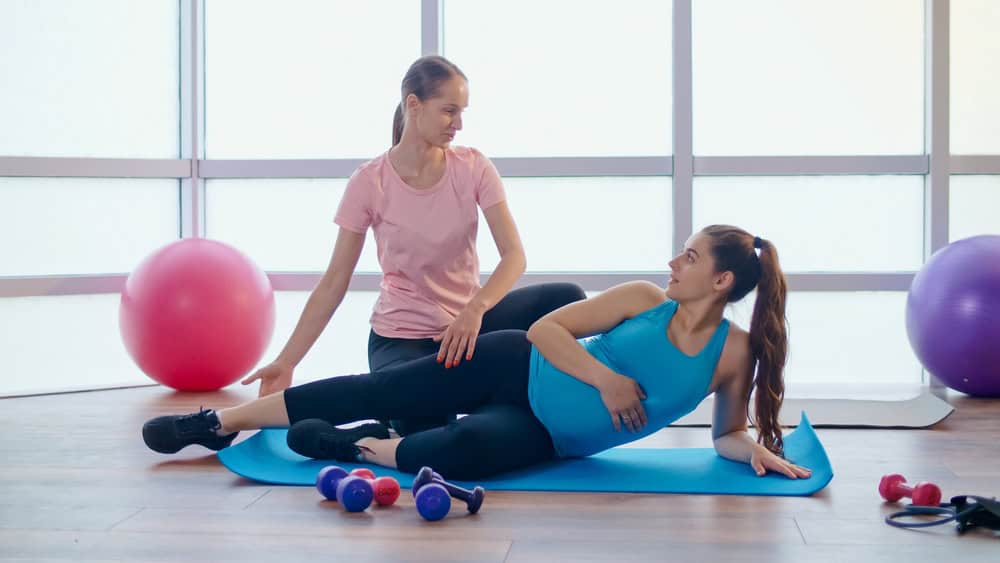
After childbirth, many women notice unexpected changes in how their joints feel. You may experience stiffness, instability, or discomfort in areas such as your hips, knees, lower back, or wrists. These changes are often linked to hormonal shifts that continue even after delivery. While these symptoms can feel concerning, they are a normal part of the recovery process and can be managed effectively with the right approach. Many women address these changes through Postnatal Physiotherapy, where structured rehabilitation supports joint stability, improves movement control, and helps you return to daily activity with confidence.
Understanding Hormonal Changes After Birth
During pregnancy, hormones such as relaxin and progesterone increase to allow your body to adapt to childbirth. These hormones soften ligaments and increase joint mobility. After birth, hormone levels gradually return to normal, but this process does not happen immediately.
As a result, your joints may remain more mobile and less stable for a period of time. This can affect how your body handles load and movement.
How Hormones Affect Your Joints
Hormonal changes influence the structures that support your joints, including ligaments and connective tissue. When these structures are more flexible, joints may feel less stable.
You may notice:
- A feeling of looseness or instability in certain joints
- Increased sensitivity or discomfort during movement
- Reduced control during weight-bearing activities
These changes are temporary, but they require careful management to prevent strain.
Common Areas Affected
Postpartum joint discomfort can occur in several areas, depending on your movement patterns and daily activities.
Pelvis and Lower Back
The pelvic region is particularly affected due to the demands of pregnancy and delivery. Instability in this area can lead to lower back or pelvic pain.
Knees and Hips
These joints support your body during standing, walking, and lifting. Increased mobility can lead to strain if not supported by adequate muscle strength.
Wrists and Hands
Frequent lifting and holding of your baby can place additional stress on your wrists, especially when combined with reduced joint stability.
Understanding these areas helps you focus on targeted support.
Why Stability Matters During Recovery
Joint stability is essential for efficient and safe movement. When stability is reduced, your muscles need to work harder to compensate. This can lead to fatigue and discomfort.
Improving stability helps:
- Reduce strain on joints
- Improve movement control
- Support your return to activity
This is a key focus of postnatal rehabilitation.
Step 1: Restoring Movement Control
The first stage of managing joint changes is improving how your body controls movement. This reduces unnecessary strain and builds a foundation for strength.
Awareness of Alignment
Paying attention to how your body is positioned during movement helps you avoid excessive stress on your joints. Simple adjustments can improve comfort significantly.
Controlled, Low-Load Exercises
Exercises at this stage focus on stability and control rather than intensity. These movements help your body relearn how to support itself effectively.
This stage prepares your joints for increased demand.
Step 2: Building Strength Around the Joints
Muscle strength plays a critical role in supporting joint stability. Strengthening the muscles around your joints helps compensate for temporary ligament laxity.
Targeted Strengthening
Exercises should focus on key muscle groups such as the hips, glutes, core, and upper body. These areas provide support for your most active joints.
Progressive Loading
As your strength improves, exercises can become more challenging. This helps your body adapt to increasing demands safely.
Progression should be gradual and based on your response.
Step 3: Integrating Stability Into Daily Movement
Recovery is not only about exercises. It is about how your body functions during everyday activities.
Safe Lifting Techniques
Engaging your core and maintaining proper alignment when lifting your baby reduces strain on your joints.
Postural Support
Maintaining good posture during activities such as feeding or working helps distribute load evenly and reduces stress on specific areas.
These habits support long-term recovery.
Step 4: Gradual Return to Exercise
Returning to exercise requires careful progression to ensure your joints are ready for increased load.
Low-Impact Activities First
Activities such as walking and controlled strength training help build a foundation without excessive stress.
Monitoring Your Response
Your body’s response to exercise provides important feedback. Discomfort or instability indicates that adjustments may be needed.
Progression should be guided and responsive.
Common Mistakes to Avoid
Without guidance, it is easy to adopt habits that may increase strain on your joints.
- Returning to high-impact exercise too early
- Ignoring signs of instability or discomfort
- Focusing only on flexibility without building strength
- Using poor lifting or movement techniques
A balanced approach supports effective recovery.
What Progress Should Feel Like
As your body adapts, you should notice improved stability, reduced discomfort, and greater confidence in movement. Daily activities should feel easier, and your tolerance for exercise should increase gradually.
Progress may be steady rather than immediate, but consistent effort leads to meaningful improvement.
When to Seek Additional Support
While many changes resolve over time, certain symptoms indicate the need for targeted rehabilitation.
- Persistent joint pain or instability
- Difficulty returning to normal activity
- Discomfort that affects daily function
- Uncertainty about safe movement
These signs suggest that your body would benefit from structured support.
The Role of Professional Guidance
Managing postpartum joint changes is most effective with expert guidance. Assessment helps identify areas of instability and movement patterns that need support.
Guided rehabilitation provides:
- Exercises tailored to your condition and goals
- Progression based on your recovery stage
- Ongoing support and adjustment of your plan
This approach ensures safe and effective recovery.
Taking the Next Step
If you are experiencing joint discomfort or instability after birth, starting with a structured assessment provides clarity and direction. This allows you to follow a plan that supports recovery and builds strength safely.
At Adam Vital, we guide you step by step, focusing on improving stability, restoring movement, and supporting your return to daily activity and exercise. Your plan is tailored to your body and your goals.
Hormonal changes after birth are temporary, but how you manage them can influence your long-term health. With the right guidance, you can restore stability, reduce discomfort, and move forward with confidence.
