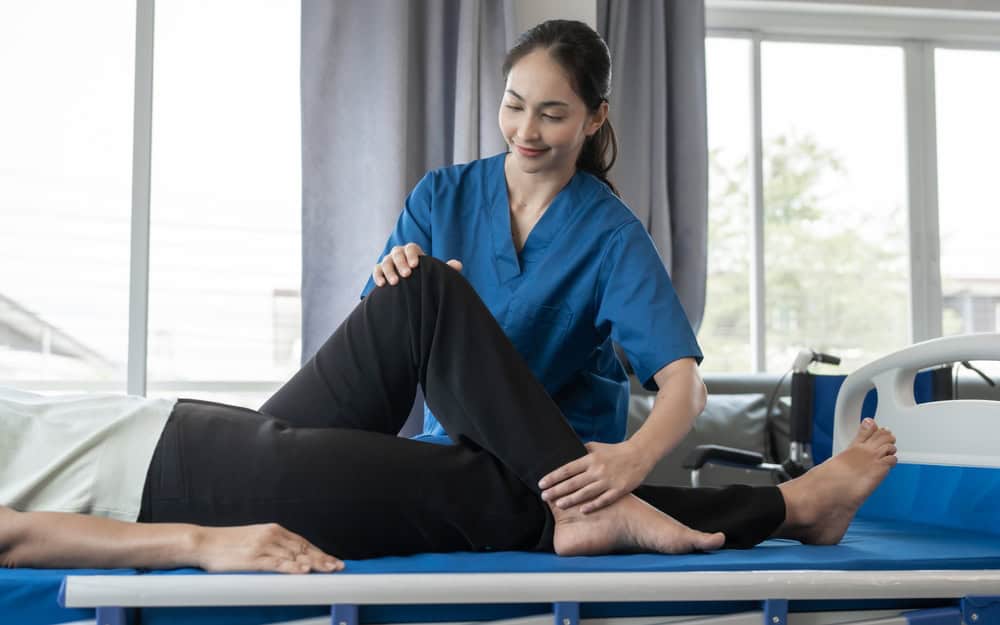
After childbirth, it is common to feel that your body has changed in ways you did not expect. You may notice differences in strength, shape, posture, or how you move. These changes can influence how you see yourself and how confident you feel in your body. This experience is valid, and it is also something that can improve with the right support and approach. Recovery is not only physical. It is also about rebuilding trust in your body and understanding what it is capable of. Many women begin this process through Postnatal Physiotherapy, where structured guidance helps restore function, improve strength, and support confidence through measurable progress.
Understanding Body Changes After Birth
Your body has adapted significantly during pregnancy and childbirth. These changes are not only visible but also affect how your body functions.
You may notice:
- Reduced muscle strength and tone
- Changes in abdominal shape or skin
- Altered posture and movement patterns
- Areas of discomfort or instability
These changes are part of the recovery process. Understanding them helps you approach your body with clarity rather than frustration.
Why Physical Confidence Can Be Affected
Physical confidence is closely linked to how your body feels and performs. When movement feels difficult or uncomfortable, confidence can decrease.
This may be influenced by:
- Uncertainty about what your body can safely do
- Comparison to your pre-pregnancy state or others
- Ongoing discomfort or fatigue
Addressing these factors helps rebuild confidence over time.
Shifting the Focus From Appearance to Function
Focusing only on appearance can create unrealistic expectations and slow your recovery. Shifting your focus to function provides a more effective and sustainable approach.
Measuring What Your Body Can Do
Tracking improvements in strength, stability, and movement gives you clear evidence of progress.
Recognising Small Wins
Improvements in daily activities, such as lifting, walking, or maintaining posture, are meaningful indicators of recovery.
This perspective supports long-term confidence.
Rebuilding Strength and Capability
Confidence grows as your body becomes stronger and more capable. Structured rehabilitation plays a key role in this process.
Progressive Strength Training
Gradually rebuilding strength helps you feel more in control of your body. This includes exercises that support your core, hips, and overall movement.
Improving Movement Quality
Learning how to move efficiently reduces discomfort and increases confidence in daily tasks.
These changes contribute to a more positive experience of your body.
Addressing Discomfort and Limitations
Physical discomfort can affect how you feel about your body. Addressing these issues helps improve both function and confidence.
Reducing Pain
Targeted rehabilitation helps reduce pain in areas such as your back, pelvis, or shoulders.
Restoring Stability
Improving stability allows you to move with greater ease and reduces the fear of discomfort during activity.
These improvements support a more confident approach to movement.
Building Trust in Your Body
Confidence is built through repeated positive experiences. As your body responds well to movement and exercise, your trust in it increases.
Consistent, Safe Progression
Following a structured plan helps you progress without setbacks, reinforcing confidence in your ability to move.
Listening to Your Body
Understanding and responding to your body’s signals helps you feel more in control of your recovery.
This process builds both physical and mental confidence.
Managing Expectations Around Change
Your body may not return to exactly how it was before pregnancy, and that is a normal part of the process. Recovery is about building strength and function in your current body.
Setting Realistic Goals
Goals should focus on what you want to achieve, such as moving comfortably, returning to activity, or improving strength.
Avoiding Comparison
Comparing your progress to others can create unnecessary pressure. Your recovery is individual and should reflect your needs and circumstances.
This approach supports a healthier perspective on your body.
The Role of Routine and Consistency
Daily habits influence how your body feels and how your confidence develops.
Regular Movement
Consistent movement supports strength, mobility, and overall wellbeing.
Structured Rehabilitation
Following a clear plan ensures that your efforts are effective and aligned with your goals.
Consistency builds momentum and confidence.
Supporting Mental Wellbeing
Your mental state plays an important role in how you experience your body. Supporting your wellbeing helps you approach recovery with a balanced mindset.
Allowing Time for Adjustment
Adapting to changes takes time. Giving yourself space to adjust supports a more positive experience.
Focusing on Progress
Recognising improvements, even small ones, helps maintain motivation and confidence.
This balance supports both physical and emotional recovery.
What Progress Should Feel Like
As your body becomes stronger and more capable, you should notice increased ease in movement, reduced discomfort, and greater confidence in daily activities. Your focus may shift from what your body looks like to what it can do.
This change is a key part of building lasting confidence.
When to Seek Additional Support
If you feel uncertain about your recovery or struggle with confidence in your body, structured guidance can provide clarity and direction.
- Persistent discomfort or limitations
- Difficulty returning to activity
- Uncertainty about safe movement
- Concerns about your progress
These are clear signs that support can be beneficial.
The Role of Professional Guidance
Rebuilding physical confidence is supported by clear, measurable progress. Assessment helps identify your current condition and guides a plan tailored to your needs.
Professional support provides:
- Structured rehabilitation focused on outcomes
- Guidance on safe progression
- Ongoing support and reassurance
This approach helps you see and feel your progress.
Taking the Next Step
If you feel disconnected from your body or unsure about your recovery, starting with a structured assessment provides clarity and direction. This allows you to follow a plan that supports both function and confidence.
At Adam Vital, we guide you step by step, focusing on restoring strength, improving movement, and helping you feel confident in your body again. Your plan is tailored to your goals and your progress.
Body image and physical confidence are built through experience, not quick changes. With the right guidance, you can rebuild strength, improve how your body feels, and move forward with confidence and clarity.
