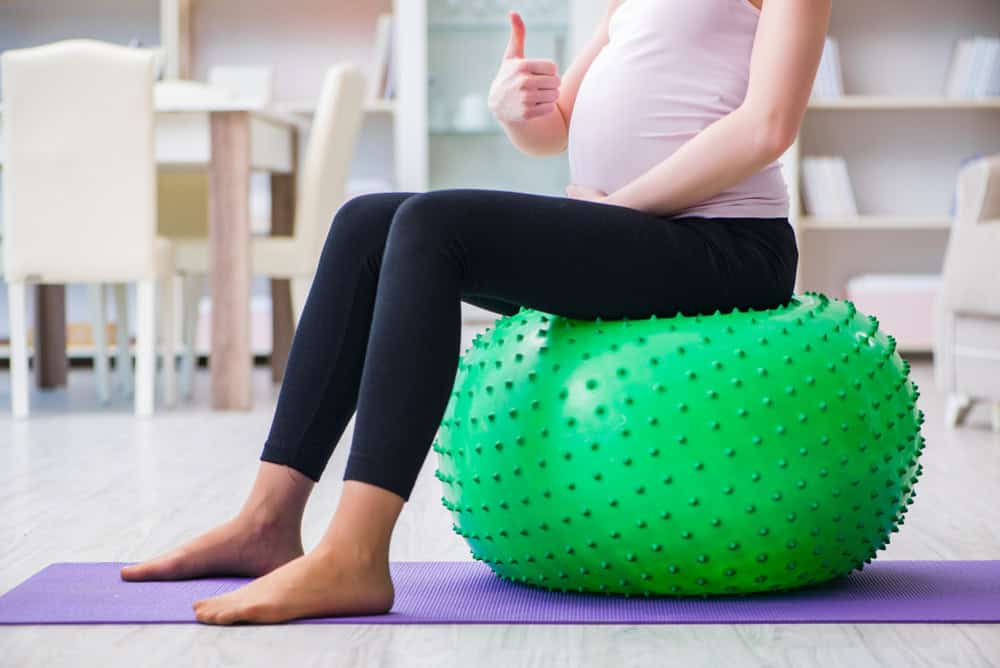
After pregnancy, many women notice a change in how their abdomen looks and feels. You may see a visible gap, a soft bulge when you sit up, or a sense that your core no longer supports you the way it used to. This is often linked to diastasis recti, a condition that affects the connective tissue of the abdominal wall. Understanding what is happening in your body is the first step toward recovery. At Diastasis Recti Rehabilitation, we focus on restoring core function, not just appearance, so you can move with strength and confidence again.
Understanding Diastasis Recti
Diastasis recti is a separation of the rectus abdominis muscles, which are the two vertical muscles that run down the front of your abdomen. These muscles are connected by a band of tissue called the linea alba. During pregnancy, the growing uterus places pressure on this tissue, causing it to stretch and thin.
This process is natural and necessary to accommodate your baby. However, in some cases, the tissue does not regain its original tension after birth. This leaves a gap between the muscles, which can affect how your core functions in daily movement.
What the Separation Means for Your Body
It is important to understand that diastasis recti is not only a cosmetic concern. The abdominal wall plays a key role in stabilising your spine, supporting your posture, and transferring force during movement. When this system is compromised, you may notice changes in how your body performs.
Common experiences include a feeling of weakness through the midsection, difficulty engaging your core, and a lack of support during activities such as lifting your baby, standing for long periods, or returning to exercise.
How Common Is Diastasis Recti?
Diastasis recti is very common during and after pregnancy. Research shows that a significant percentage of women develop some degree of separation in the third trimester. For many, the body begins to recover naturally in the early weeks after birth.
However, for others, the separation remains. This can persist months or even years postpartum if not addressed with targeted rehabilitation. It is not a sign that something has gone wrong. It simply means your body needs guided support to restore strength and function.
Signs and Symptoms to Look For
Recognising diastasis recti early can help you take the right steps toward recovery. While every individual experience is different, there are several common signs that indicate a separation may be present.
Visible Changes in the Abdomen
You may notice a doming or bulging along the midline of your abdomen when you sit up, cough, or strain. The area may appear soft or less supported compared to before pregnancy.
Core Weakness
Simple movements such as getting out of bed, lifting your child, or carrying groceries may feel more challenging. You may struggle to generate strength from your core, even when you try to engage it.
Lower Back Discomfort
The core and lower back work together to stabilise your body. When the abdominal wall is not functioning well, the lower back often compensates. This can lead to ongoing discomfort or fatigue in the lumbar region.
Pelvic Floor Symptoms
Diastasis recti is often linked with pelvic floor dysfunction. You may experience symptoms such as leaking when coughing or exercising, or a sense of heaviness in the pelvic area. These systems are closely connected and should be assessed together.
Why Diastasis Recti Happens
The primary cause of diastasis recti is the mechanical and hormonal changes that occur during pregnancy. As your baby grows, the abdominal wall stretches to accommodate this change. Hormones such as relaxin also increase tissue elasticity, allowing the body to adapt.
After birth, these tissues begin the process of recovery. However, several factors can influence how well this happens.
Load and Pressure Management
How pressure is managed within your abdomen plays a key role. Activities that increase intra-abdominal pressure, such as heavy lifting or certain types of exercise, can place additional strain on the healing tissue if not performed with proper technique.
Movement Patterns
Everyday movements matter. The way you sit up, stand, carry your baby, or return to exercise can either support recovery or delay it. Without guidance, many women unintentionally reinforce patterns that keep the separation from improving.
Individual Factors
Each body responds differently. Factors such as multiple pregnancies, the size of the baby, connective tissue quality, and overall strength levels can influence the degree of separation and the speed of recovery.
Assessment Is the First Step
If you suspect diastasis recti, a structured assessment is essential. At Adam Vital, this goes beyond simply measuring the gap. We assess how your core functions as a system, including your breathing pattern, abdominal control, and pelvic floor coordination.
This allows us to understand not only the presence of separation, but how it is affecting your movement and daily life. From here, we build a plan that is specific to your body and your goals.
Can Diastasis Recti Heal?
Yes, with the right approach, diastasis recti can improve significantly. The focus is not only on closing the gap but on restoring tension and function to the abdominal wall.
Recovery is not about aggressive exercises or quick fixes. It is about progressive, targeted rehabilitation that teaches your body how to work efficiently again.
What Effective Rehabilitation Looks Like
A well-structured programme includes breathing retraining, deep core activation, and gradual strength progression. Each phase builds on the previous one, ensuring that your body adapts safely and effectively.
You will also learn how to manage pressure during daily activities, which is a critical part of long-term recovery. This ensures that improvements are maintained, not lost.
What to Expect During Recovery
Recovery timelines vary depending on the severity of the separation and your consistency with the programme. Many women begin to notice improved control and strength within a few weeks. Structural changes in the tissue may take longer, often several months.
The key is consistency and guidance. With the right plan, progress is measurable. You will feel stronger, more supported, and more confident in your movement.
When to Seek Support
If you are unsure whether you have diastasis recti, or if you are experiencing symptoms such as core weakness, back pain, or pelvic floor concerns, it is worth seeking a professional assessment. Early guidance can prevent compensations and support a more efficient recovery.
You do not need to wait until symptoms become limiting. Addressing the issue early allows you to return to your daily activities and exercise routine with greater confidence and control.
Conclusion
Diastasis recti is a common and manageable condition that reflects how your body has adapted during pregnancy. It is not a failure of your body, but a signal that your core system needs support to recover fully. With a clear understanding, structured assessment, and a personalised rehabilitation plan, you can restore strength, stability, and function. The next step is simple. Book an assessment, understand your starting point, and begin a guided path toward stronger, more confident movement.
