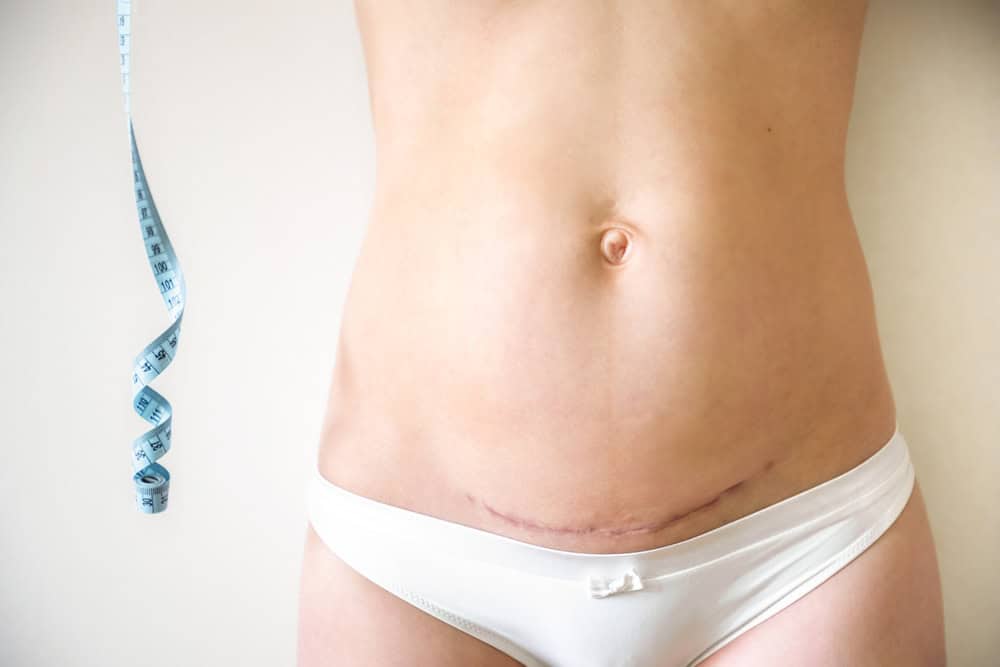
After a caesarean birth, many patients focus on the visible recovery of the incision while overlooking a key part of healing that happens with every breath. Shallow breathing, discomfort, and reduced core control are common in the early stages. At C-Section Scar Rehabilitation, breathwork is a foundational part of recovery, helping restore core function, reduce pain, and support safe movement from the very beginning.
Why Breathing Changes After a C-Section
Pain, protective tension, and surgical impact on the abdominal wall often lead to altered breathing patterns. Many patients begin to breathe more into the chest rather than the diaphragm, limiting how effectively the core system works.
This change is not just about breathing. It affects how pressure is managed inside your abdomen, how your muscles activate, and how your body supports movement.
The Connection Between Breathing and the Core
Your diaphragm, deep abdominal muscles, pelvic floor, and lower back work together as a coordinated system. When you breathe effectively, this system provides stability and support. When breathing is restricted, this coordination is reduced.
Restoring this connection is one of the first steps in rebuilding strength and control after a C-section.
The Role of Breathwork in Recovery
Breathwork is not just a relaxation technique. It is a clinical tool used to restore function and guide your body back to efficient movement patterns.
Reducing Pressure on the Healing Area
Proper breathing helps manage intra-abdominal pressure. This reduces unnecessary strain on the incision and supports safe healing.
Reactivating the Deep Core
Each breath provides an opportunity to gently engage the deep abdominal muscles and pelvic floor. This creates a foundation for later strengthening.
Improving Circulation and Healing
Controlled breathing supports blood flow and oxygen delivery, which are essential for tissue repair.
Reducing Pain and Tension
Shallow breathing can increase tension in the upper body. Breathwork encourages relaxation, helping reduce overall discomfort.
When to Start Breathwork
Breathwork can begin very early in recovery, often within the first few days, as long as it is done gently and within comfort.
Early Stage Focus
The goal is not deep or forceful breathing. It is about reconnecting with a natural, controlled pattern that does not place stress on the incision.
Even simple awareness of your breathing can begin to improve how your body responds.
Key Principles of Post-Cesarean Breathwork
Gentle Expansion, Not Force
Your breath should feel controlled and comfortable. Avoid pushing or forcing expansion into the abdomen. The movement should be subtle and natural.
Coordination With Movement
Breathing should support your movements. For example, exhaling gently during effort helps reduce pressure and improves control.
Consistency Over Intensity
Short, regular sessions are more effective than occasional deep breathing attempts. Consistency helps retrain your system.
Foundational Breathwork Techniques
Diaphragmatic Breathing
This is the starting point for most patients. It involves allowing the breath to expand into the lower ribs and abdomen while maintaining a relaxed, controlled pattern.
You may initially feel limited movement due to discomfort or tension. This improves gradually with practice.
360-Degree Breathing
As control improves, the focus expands to include movement through the sides and back of the ribcage. This creates a more balanced and functional breathing pattern.
Breath and Core Connection
Gentle activation of the deep core muscles is introduced during the exhale. This helps coordinate breathing with core stability.
The emphasis is on timing and control rather than force.
Integrating Breathwork Into Daily Activities
Breathwork is most effective when it becomes part of how you move throughout your day.
Getting In and Out of Bed
Using your breath during transitions helps reduce strain on your abdomen. A gentle exhale during effort provides support.
Lifting Your Baby
Coordinating breath with lifting reduces pressure and improves control. This is especially important in the early stages of recovery.
Walking and Standing
Maintaining a steady, controlled breathing pattern during simple activities supports overall recovery and reduces tension.
Common Challenges With Breathwork
Feeling Unable to Breathe Deeply
Discomfort and protective tension can limit how deeply you feel you can breathe. This is normal and improves gradually.
Overcompensating With the Chest
Many patients rely heavily on chest breathing. Learning to shift the breath lower takes time and guidance.
Uncertainty About Technique
Without clear guidance, it can be difficult to know if you are breathing correctly. Small adjustments can make a significant difference.
How Breathwork Supports Long-Term Recovery
Breathing patterns influence how your body functions beyond the early recovery phase.
Improved Core Stability
Effective breathing supports stronger, more coordinated core activation during both simple and complex movements.
Better Posture
Balanced breathing reduces tension in the upper body and supports a more natural posture.
Enhanced Exercise Readiness
As you return to exercise, breath control helps manage load and maintain stability.
Reduced Risk of Compensation
Proper breathing reduces the likelihood of overusing other muscle groups, such as the lower back or shoulders.
Why Guidance Matters
Breathwork may seem simple, but the way you breathe has a direct impact on your recovery. Subtle differences in technique can influence how effectively your core system responds.
A guided approach ensures that your breathing supports healing, rather than placing unnecessary strain on your body. It also allows breathwork to be integrated into a broader rehabilitation plan that includes strength, mobility, and functional movement.
Conclusion
Breathwork is a fundamental part of recovery after a C-section, supporting healing, reducing discomfort, and restoring core function. By rebuilding your breathing patterns, you create a strong foundation for every stage of rehabilitation that follows. If you are unsure how to start or whether your breathing is supporting your recovery, a structured assessment can provide clarity and a personalised plan to help you move forward with confidence.
