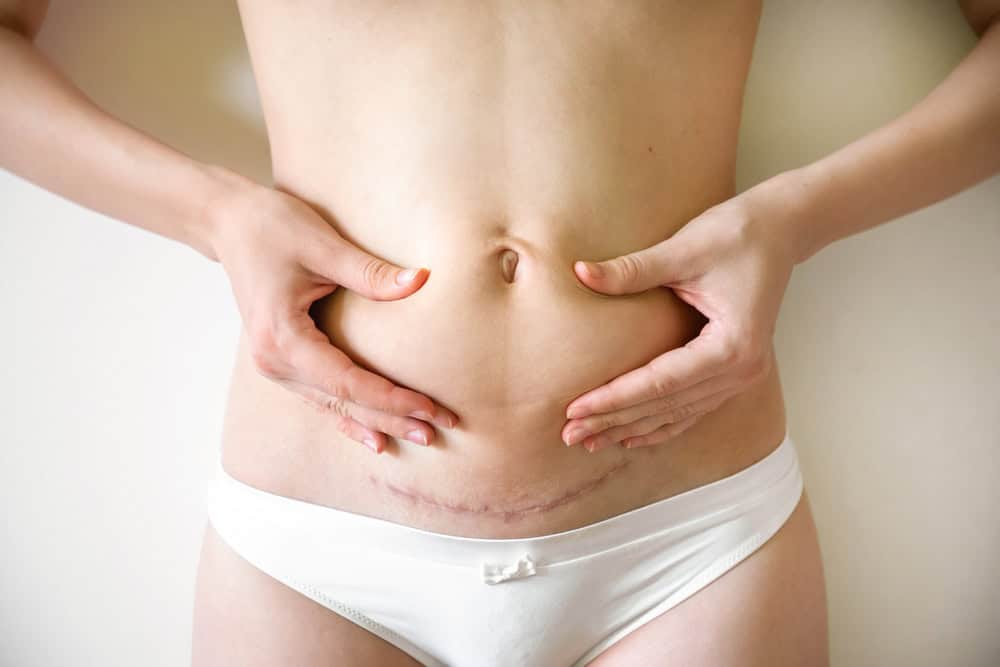
After a caesarean birth, it is common to feel weakness through your abdomen, especially when lifting, standing, or returning to exercise. This is not simply a loss of strength. It is a disruption in how your core system functions and supports your body. At C-Section Scar Rehabilitation, abdominal strengthening is approached in a structured, progressive way to restore control, rebuild strength, and support safe return to daily activities and exercise.
Why Abdominal Strength Feels Different After a C-Section
A C-section involves incisions through multiple layers of the abdominal wall. This affects not only muscle strength but also coordination, timing, and how your core responds to movement.
You may notice that your abdomen feels soft, unresponsive, or disconnected. Tasks that were previously simple, such as sitting up or lifting your baby, may now feel challenging. This is a normal part of recovery and improves with the right guidance.
The Role of the Core System
Your core is not just your abdominal muscles. It includes the diaphragm, pelvic floor, deep abdominal muscles, and back muscles working together. After a C-section, this system needs to be retrained, not just strengthened.
When to Start Abdominal Strengthening
Timing depends on healing, symptoms, and how your body is responding. Starting too early with high-intensity exercises can place unnecessary stress on healing tissues. Waiting too long can lead to ongoing weakness and poor movement patterns.
Early Phase Approach
In the first few weeks, the focus is on gentle activation and awareness rather than strength training. This includes breathing techniques and subtle engagement of the deep core muscles.
Progressive Loading
As healing progresses, exercises are gradually introduced to build strength. The key is progression, not intensity. Each stage prepares your body for the next.
Phase 1: Reconnection and Activation
Building Awareness
The first step is learning how to engage your deep abdominal muscles again. This often starts with breathing and gentle contractions that reconnect the system without strain.
You are not aiming to feel a strong contraction. You are aiming for controlled, coordinated activation.
Key Focus Areas
- Diaphragmatic breathing to manage pressure
- Gentle activation of the deep abdominal muscles
- Pelvic floor coordination
- Maintaining neutral alignment during movement
This phase builds the foundation for all future strengthening.
Phase 2: Stability and Control
Introducing Controlled Movement
Once you can activate your core effectively, the next step is to maintain that activation during simple movements. This includes movements such as lifting your legs, rolling, or transitioning from sitting to standing.
Why Stability Matters
Strength without control can lead to compensation. Stability ensures that your core supports your body during movement, reducing strain on other areas such as your lower back.
Common Exercises in This Phase
- Supported leg movements
- Pelvic tilts with control
- Gentle bridging exercises
- Core engagement during daily tasks
The focus remains on quality of movement rather than repetition or intensity.
Phase 3: Strength Building
Progressing Load Safely
As your control improves, exercises become more challenging. This may include increased resistance, longer holds, or more complex movements.
Your core should remain stable throughout each exercise. If you notice bulging, pain, or loss of control, the exercise may be too advanced for your current stage.
Integrating Functional Strength
This phase connects your strengthening work to real-life demands. Activities such as lifting your baby, carrying objects, or returning to the gym require coordinated strength.
- Progressive resistance exercises
- Multi-directional movements
- Integration with lower and upper body exercises
- Controlled rotational movements
The goal is to restore strength that supports both daily life and more demanding activities.
Phase 4: Return to Exercise and Performance
Beyond Basic Strength
Once foundational strength is restored, you can begin to return to higher-level activities. This includes gym training, running, or sport-specific exercises.
Impact and Load Readiness
Your body needs to be prepared for increased load and impact. This is done through gradual progression and careful monitoring of symptoms.
Returning too quickly to high-intensity exercise can lead to setbacks. A structured plan ensures that your body is ready.
Common Mistakes in Abdominal Strengthening
Doing Too Much Too Soon
Exercises such as sit-ups, crunches, or high-intensity core workouts may place excessive strain on healing tissues. These should only be introduced when your body is ready.
Focusing Only on Strength
Strength without coordination can lead to inefficient movement. Rebuilding control is just as important as building strength.
Ignoring Symptoms
Pain, pulling, or visible bulging in the abdomen are signs that the exercise may not be appropriate. Adjusting your approach helps prevent setbacks.
Skipping the Foundation Phase
Progressing without proper activation and control can limit long-term results. Each phase plays a critical role in recovery.
How Abdominal Strength Impacts Daily Life
Improved abdominal strength supports more than exercise. It affects how you move, carry, and function throughout your day.
Lifting and Carrying
Whether lifting your baby or carrying groceries, your core provides the stability needed to perform these tasks safely.
Posture and Comfort
A stronger core supports better posture, reducing strain on your back and improving overall comfort.
Confidence in Movement
As strength improves, you regain confidence in your body’s ability to handle daily demands and physical activity.
What a Structured Program Looks Like
Assessment and Baseline
Your starting point is identified through assessment. This includes evaluating strength, control, and how your body responds to movement.
Tailored Progression
Your program is designed around your stage of recovery and your goals. Progression is based on your response, not a fixed timeline.
Ongoing Guidance
Support ensures that you are performing exercises correctly and progressing safely. Adjustments are made as your strength improves.
Conclusion
Abdominal strengthening after a C-section is not about rushing back to intense exercise. It is about rebuilding your core in a way that supports healing, function, and long-term performance. With a structured, progressive approach, you can restore strength, improve movement, and return to your activities with confidence. If you are unsure where to start or how to progress safely, booking an assessment provides clarity, direction, and the support you need to move forward.
