If you are experiencing discomfort in your lower back, hips, or pelvis, you may notice that certain movements feel uneven or unbalanced. This is often associated with Pelvic Girdle Pain / SI Joint Pain, where the body struggles to distribute load evenly across the pelvis. Symmetry training focuses on restoring balance in how your body moves and loads each side. It is not about forcing perfect alignment, but about improving control, coordination, and confidence in movement. At Adam Vital, we guide you through a structured approach that helps your body move more efficiently and reduces unnecessary strain on the sacroiliac joints.
What Is Symmetry Training?
Symmetry training is a targeted approach to improving how your body shares load between the left and right sides. It addresses imbalances in strength, coordination, and movement patterns that can place excessive stress on one side of the pelvis.
In many cases of SI joint-related pain, the issue is not just weakness or stiffness, but how your body uses one side more than the other. Over time, this creates uneven loading, which can lead to irritation and discomfort.
Symmetry training helps correct these patterns by retraining your body to move in a more balanced and controlled way.
Why Symmetry Matters for Pelvic Alignment
The pelvis functions as a central link between your upper body and legs. For it to work effectively, both sides need to contribute evenly to movement and load transfer.
When one side is doing more work than the other, the SI joint on that side may become overloaded. At the same time, the opposite side may become underactive, further reinforcing the imbalance.
Improving symmetry helps reduce this uneven stress, allowing the pelvis to function more efficiently and with less discomfort.
Common Signs of Asymmetry
Many individuals are not aware of asymmetry until it is assessed. However, there are some common signs that may indicate an imbalance.
Weight Shifting to One Side
You may notice that you tend to stand more on one leg or shift your weight to one side when standing still.
Uneven Walking Pattern
Your stride may feel uneven, or you may unconsciously favour one side when walking.
Difficulty with Single-Leg Tasks
Activities such as standing on one leg, climbing stairs, or getting dressed may feel more difficult on one side.
Recurrent Pain on One Side
Pain that consistently occurs on the same side of the pelvis or lower back can indicate uneven loading.
Identifying these patterns is the first step in addressing them effectively.
Key Components of Symmetry Training
Symmetry training is not limited to one type of exercise. It involves a combination of strategies that work together to restore balance.
Awareness and Control
The first step is becoming aware of how your body is moving. This includes recognising when you are favouring one side and learning how to correct it.
Strength Balance
Exercises are used to address strength differences between sides, particularly in the glutes, core, and hip muscles.
Movement Coordination
Improving how muscles work together ensures that both sides contribute effectively during movement.
Load Management
Adjusting how you perform daily activities helps reduce asymmetrical stress on the pelvis.
These components are integrated into a structured plan tailored to your needs.
Early-Stage Symmetry Training
In the early stages, the focus is on building awareness and establishing control in supported positions.
Even Weight Distribution Exercises
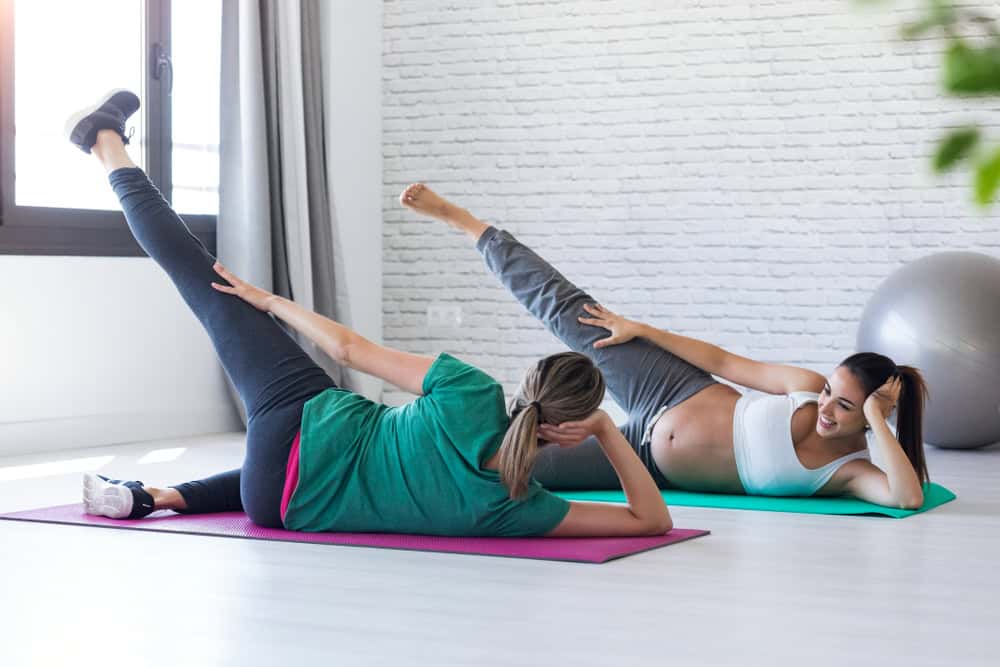
Simple exercises in standing or lying positions help you learn how to distribute your weight evenly. This may involve using mirrors or feedback to guide your positioning.
Controlled Activation of Key Muscles
Exercises target the core and glutes to ensure both sides are engaging effectively. The emphasis is on subtle, controlled activation rather than force.
Guided Movement Practice
Slow, controlled movements allow you to focus on maintaining symmetry throughout the exercise.
These exercises create a foundation for more dynamic work.
Mid-Stage Symmetry Training
As your control improves, exercises become more challenging and begin to incorporate functional movement patterns.
Single-Leg Stability Exercises
These exercises help train each side of your body to support load independently while maintaining pelvic control.
Alternating Movement Patterns
Exercises that involve alternating sides, such as step-ups or controlled lunges, help reinforce balanced movement.
Dynamic Control Exercises
Movements become more dynamic, requiring coordination and stability across both sides.
The focus remains on maintaining symmetry even as the complexity increases.
Advanced Symmetry Training
In the later stages, symmetry training prepares you for higher levels of activity and performance.
Functional and Sport-Specific Movements
Exercises are tailored to your daily activities or sport, ensuring that symmetry is maintained under real-life conditions.
Load Progression
Increased resistance or intensity is introduced while maintaining control and balance.
Reactive Stability
Exercises challenge your ability to maintain symmetry during unexpected or rapid movements.
This stage ensures that your improvements translate into everyday life and activity.
Integrating Symmetry into Daily Activities
Symmetry training is not limited to exercise sessions. It should be applied throughout your day.
Standing and Posture
Be aware of how you stand and aim to distribute your weight evenly.
Walking Patterns
Focus on even stride length and avoid favouring one side.
Carrying Loads
Distribute weight evenly or alternate sides to prevent overloading one side of the pelvis.
Transitions and Movements
Pay attention to how you move between positions, ensuring both sides contribute equally.
These small adjustments reinforce the changes made during training.
Common Challenges in Symmetry Training
It is normal to face challenges when retraining movement patterns.
Habitual Movement Patterns
Your body may naturally revert to familiar patterns, especially under fatigue.
Initial Difficulty with Control
Maintaining symmetry can feel challenging at first, particularly in dynamic movements.
Overcompensation
Trying too hard to correct asymmetry can lead to stiffness or overactivation of muscles.
Guidance helps you progress in a way that is effective and sustainable.
How Symmetry Training Supports Long-Term Recovery
By improving how your body distributes load, symmetry training reduces the risk of ongoing strain on the SI joint. It enhances efficiency in movement, making daily activities easier and more comfortable.
Over time, balanced movement becomes automatic, reducing the likelihood of recurrence and supporting long-term function.
At Adam Vital, we track your progress and adjust your program to ensure continued improvement.
When to Start Symmetry Training
Symmetry training can begin early in the rehabilitation process, even when pain is present. Exercises are adapted to your current level and progressed as your control improves.
Starting early helps prevent the reinforcement of compensatory patterns and supports a more efficient recovery.
Conclusion
Symmetry training is a key component of managing SI joint-related pain. By restoring balance in how your body moves and distributes load, it reduces strain on the pelvis and supports long-term recovery. At Adam Vital, we guide you through a structured, personalised approach that builds control, strength, and confidence in movement. If discomfort or imbalance is affecting your daily life, the next step is to book an assessment and begin a plan that helps you move with greater stability and ease.
