
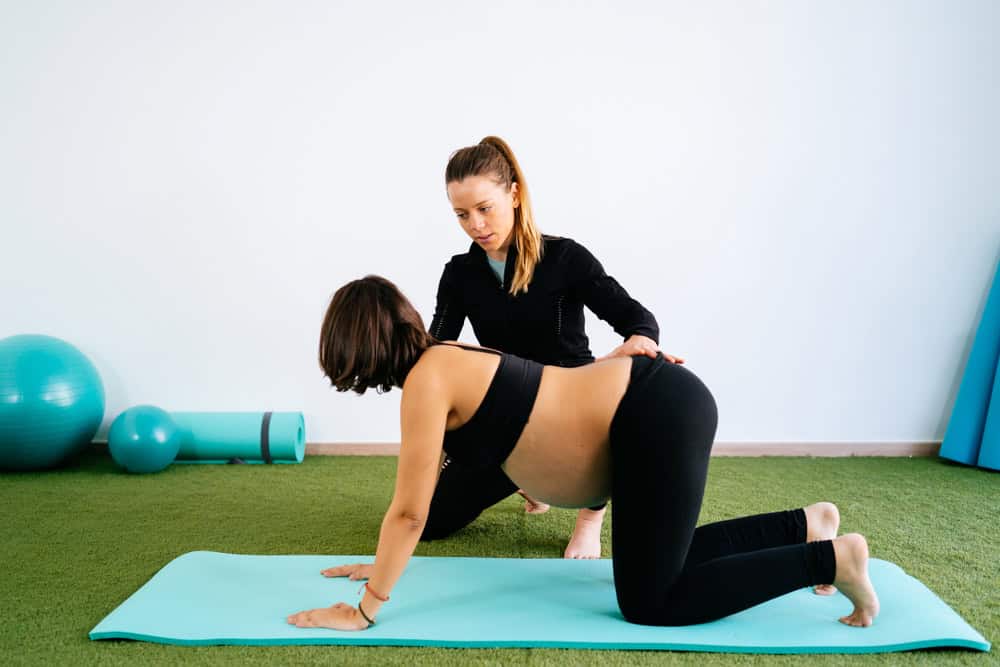
Discomfort around the lower back, hips, or pelvis can often feel more noticeable at night, especially when you are trying to find a comfortable position to sleep. This is commonly linked to Pelvic Girdle Pain / SI Joint Pain, where the sacroiliac joint becomes sensitive to prolonged positions and uneven loading. Sleep is essential for recovery, so finding positions that reduce strain and support your body is an important part of managing symptoms. At Adam Vital, we guide you through practical strategies that improve comfort, support healing, and help you wake up feeling more rested and in control.
Why Sleep Position Matters for SI Joint Pain
During sleep, your body remains in relatively static positions for extended periods. If these positions place uneven pressure on the pelvis or allow the spine to fall out of alignment, the SI joint can become irritated.
Unlike daytime movement where you can adjust frequently, night-time positioning needs to be supported in a way that maintains alignment without requiring constant effort. The goal is to reduce strain, support natural positioning, and allow your muscles to relax.
Key Principles for Comfortable Sleep
Before focusing on specific positions, it is important to understand the principles that guide comfortable sleep with SI joint pain.
Maintain Neutral Alignment
Your spine and pelvis should be supported in a neutral position, avoiding excessive twisting or tilting.
Reduce Asymmetrical Loading
Positions that place more pressure on one side of the pelvis can increase discomfort. Even support is key.
Use External Support
Pillows and supports help maintain alignment without requiring muscle effort.
Minimise Sudden Movements
Controlled transitions between positions reduce strain on the SI joint.
These principles apply regardless of your preferred sleeping position.
Best Sleep Positions for SI Joint Pain
There is no single “perfect” position, but certain setups tend to be more comfortable and supportive.
Side-Lying with Support
Lying on your side is often the most comfortable option, particularly if supported correctly.
Place a pillow between your knees to keep your hips and pelvis aligned. This prevents your top leg from dropping forward and creating a twisting force through the pelvis.
You may also benefit from placing a small pillow or rolled towel under your waist for additional support, depending on your body shape.
This position helps maintain symmetry and reduces strain on the SI joint.
Back-Lying with Knee Support
Lying on your back can also be comfortable when properly supported.
Place a pillow under your knees to reduce the arch in your lower back and support a neutral pelvic position. This allows your muscles to relax while maintaining alignment.
This position distributes weight evenly and reduces pressure on the pelvis.
Modified Side-Lying for Increased Comfort
If standard side-lying is not comfortable, you can slightly adjust your position by leaning slightly forward with a pillow supporting your upper leg and torso.
This reduces direct pressure on the lower side and can improve comfort during longer periods of rest.
Adjustments should always be based on what feels supportive and pain-free.
Positions to Approach with Caution
Certain sleep positions may increase strain on the SI joint and are generally less comfortable.
Sleeping on Your Stomach
This position often places the spine and pelvis in a rotated position, increasing stress on the SI joint. It can also lead to additional strain on the lower back and neck.
Side-Lying Without Support
Without a pillow between the knees, the top leg can drop forward, creating asymmetrical loading and increased discomfort.
Twisted Positions
Positions where the upper body and lower body are rotated in opposite directions can increase strain on the pelvis.
Avoiding these positions helps reduce unnecessary irritation during sleep.
How to Turn in Bed Safely
Turning in bed is a common source of discomfort for individuals with SI joint pain. Using a controlled technique can reduce strain.
Keep Your Knees Together
Bring your knees together before turning to maintain pelvic alignment.
Move as One Unit
Turn your shoulders and hips together rather than twisting through the spine.
Use Your Arms for Support
Push gently with your arms to assist the movement and reduce load on the pelvis.
These steps make transitions smoother and more comfortable.
Using Pillows and Supports Effectively
Pillows are a simple but effective way to improve your sleep position.
Between the Knees
This is one of the most important supports for side-lying, helping maintain alignment and reduce strain.
Under the Knees
For back-lying, this reduces pressure on the lower back and supports a neutral pelvis.
Full-Body Support
A longer pillow can support your entire side, helping maintain alignment from head to pelvis.
The goal is to create a setup that feels stable and comfortable without requiring effort to maintain.
Managing Night-Time Discomfort
Even with optimal positioning, some discomfort may still occur. Managing this effectively is part of the process.
Adjust Positions as Needed
It is normal to change positions during the night. Use controlled movements to minimise strain.
Prepare Your Setup Before Sleep
Having your pillows and supports in place makes it easier to maintain a comfortable position.
Combine with Daytime Strategies
Improving your movement and stability during the day supports better comfort at night.
Consistency between daytime and night-time strategies leads to better overall results.
How Sleep Position Supports Recovery
Good sleep positioning reduces ongoing strain on the SI joint, allowing irritated tissues to settle and recover. It also supports better rest, which is essential for healing and overall wellbeing.
As your stability and movement improve through rehabilitation, you may find that your tolerance for different positions increases and discomfort reduces.
At Adam Vital, we integrate sleep strategies into your overall plan, ensuring that every part of your day supports your recovery.
When to Seek Professional Guidance
If sleep is consistently disrupted by pain, or if you are unsure how to position yourself comfortably, professional guidance can help. An assessment allows us to identify contributing factors and provide tailored strategies that work for your body.
Addressing the issue early can improve both your comfort and your recovery process.
Conclusion
Sleep positions play an important role in managing SI joint pain. By maintaining alignment, reducing asymmetrical loading, and using supportive positioning, you can significantly improve comfort and support recovery. At Adam Vital, we provide clear, practical guidance that helps you rest more comfortably and move with greater confidence. If pain is affecting your sleep or daily life, the next step is to book an assessment and begin a structured plan that supports both recovery and long-term function.
