
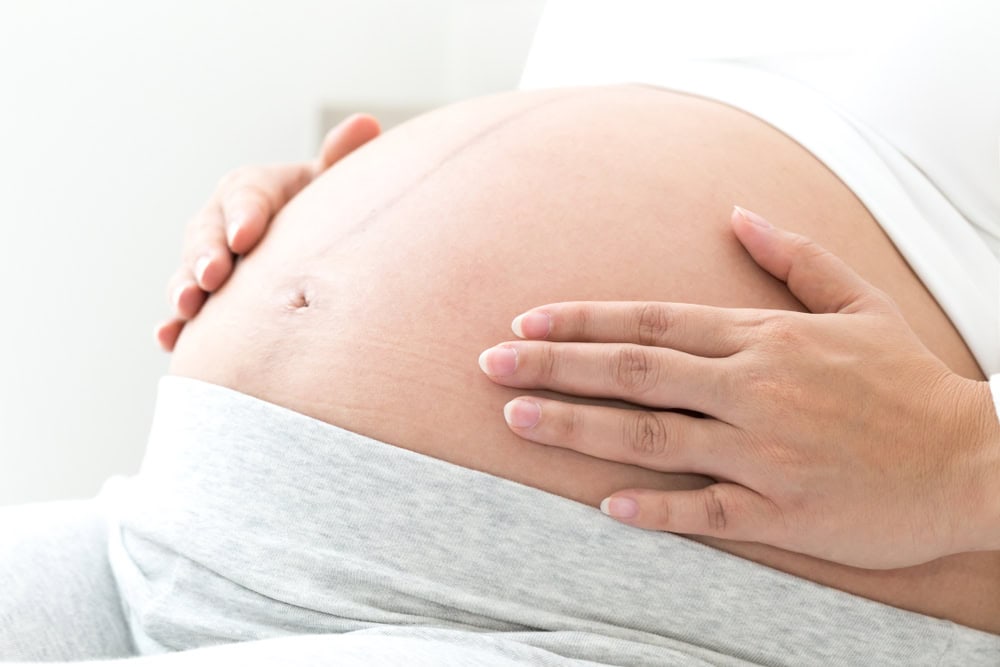
SI joint pain and pelvic girdle pain can make simple movements during pregnancy feel difficult and unpredictable. You may notice discomfort when walking, turning in bed, or even standing on one leg. These symptoms are common, but they are not something you need to manage alone. At Pregnancy-Related Pain Treatment, we focus on identifying the exact source of your pelvic discomfort and guiding you through a structured plan to improve stability, reduce pain, and help you move with confidence.
Understanding SI Joint and Pelvic Girdle Pain
The sacroiliac joints sit at the back of your pelvis, connecting your spine to your hips. Together with the pubic symphysis at the front, they form the pelvic girdle, which plays a key role in transferring load between your upper body and legs.
During pregnancy, changes in joint stability, muscle function, and load distribution can affect how these joints move. When the system becomes less stable or unevenly loaded, pain can develop in the pelvis, lower back, hips, or groin.
Why Pain Develops During Pregnancy
Your body adapts quickly during pregnancy, but these changes can place extra demands on the pelvic region.
Increased Joint Mobility
Hormonal changes increase ligament flexibility to prepare for childbirth. While necessary, this can reduce the stability of the SI joints and pubic symphysis.
Load and Weight Changes
As your baby grows, additional weight increases the load through the pelvis. If this load is not evenly distributed, certain joints and muscles may become overloaded.
Altered Movement Patterns
You may unconsciously change how you walk, stand, or move to accommodate your body. Over time, these compensations can lead to uneven strain across the pelvic girdle.
Reduced Core and Pelvic Support
The deep core and pelvic floor muscles help stabilise the pelvis. If these muscles are not working effectively, joint stability may be reduced.
Common Symptoms You May Notice
Pelvic girdle pain can present in different ways depending on how the joints and muscles are affected.
Pain in the Lower Back or Buttock Area
Discomfort around the SI joints is often felt on one or both sides of the lower back. It may increase with standing or walking.
Groin or Inner Thigh Pain
Pain at the front of the pelvis, near the pubic bone, can make movements such as getting dressed or turning in bed uncomfortable.
Pain When Walking or Climbing Stairs
Activities that involve standing on one leg can aggravate symptoms due to increased load on the pelvis.
Clicking or Grinding Sensation
Some women notice a sensation of movement or instability in the pelvic area, especially during transitions between positions.
Difficulty with Everyday Movements
Simple tasks such as getting in and out of a car, rolling in bed, or standing from a seated position may become challenging.
How It Affects Daily Life
Pelvic girdle pain can impact more than just physical comfort. It may reduce your ability to stay active, affect your sleep, and create uncertainty around movement.
You may find yourself avoiding certain activities or moving more cautiously. Over time, this can lead to reduced strength and confidence, which may further contribute to discomfort.
Addressing the issue early helps you maintain function and stay engaged in your daily routine.
Assessment and Diagnosis Support
A detailed assessment is essential to understand how your pelvis is functioning and where the imbalance lies. This includes evaluating joint movement, muscle activation, posture, and how you perform everyday tasks.
The goal is to identify the specific drivers of your pain, whether it is joint instability, muscle imbalance, or inefficient movement patterns. This allows for a targeted and effective treatment plan.
Targeted Treatment Approach
Managing SI joint and pelvic girdle pain focuses on restoring stability, improving muscle support, and reducing unnecessary strain on the joints.
Stability and Strengthening Exercises
You will be guided through exercises that improve the strength and coordination of the muscles supporting the pelvis. This helps create a more stable foundation for movement.
Movement Re-education
Everyday movements are reviewed and adjusted to reduce uneven loading. This includes how you walk, stand, turn, and transition between positions.
Manual Therapy
Hands-on techniques may be used to reduce muscle tension, improve joint alignment, and relieve discomfort in the surrounding tissues.
Pelvic Support Strategies
In some cases, external support such as a pelvic belt may be recommended to provide additional stability during daily activities.
Activity Modification
You will receive clear guidance on how to stay active while avoiding movements that aggravate your symptoms. The aim is to maintain function without overloading the joints.
Practical Tips to Reduce Pain
Small adjustments in your daily routine can help reduce strain on the pelvic girdle.
Keep Movements Symmetrical
Try to avoid standing on one leg for long periods. Sit down when getting dressed and keep weight evenly distributed when standing.
Modify Transitions
When getting out of bed or a car, keep your knees together and move as one unit to reduce strain on the pelvis.
Use Support When Needed
Pillows during sleep or a pelvic support belt during activity can help maintain alignment and reduce discomfort.
Take Regular Breaks
Avoid staying in one position for too long. Gentle movement throughout the day helps prevent stiffness and reduces load on the joints.
When to Seek Professional Support
If your pain is persistent, worsening, or affecting your ability to move comfortably, it is important to seek professional guidance.
Early assessment allows for a more precise approach and helps prevent the condition from becoming more limiting. It also provides reassurance and a clear plan for managing your symptoms safely.
What Progress Looks Like
With the right support, many women experience a reduction in pain and an improvement in movement within a few sessions. You may notice increased stability, greater confidence in daily activities, and less discomfort during movement.
Progress depends on factors such as the severity of your symptoms, your stage of pregnancy, and consistency with your programme. The focus remains on steady, measurable improvement.
Conclusion
SI joint pain and pelvic girdle pain during pregnancy can feel limiting, but with the right approach, they can be managed effectively. Understanding the cause of your symptoms and addressing them with a structured plan allows you to stay active and move with greater ease.
If pelvic pain is affecting your daily life, the next step is to book an assessment. We will guide you step by step with a personalised plan designed to improve stability, reduce discomfort, and help you move through pregnancy with confidence and control.
