
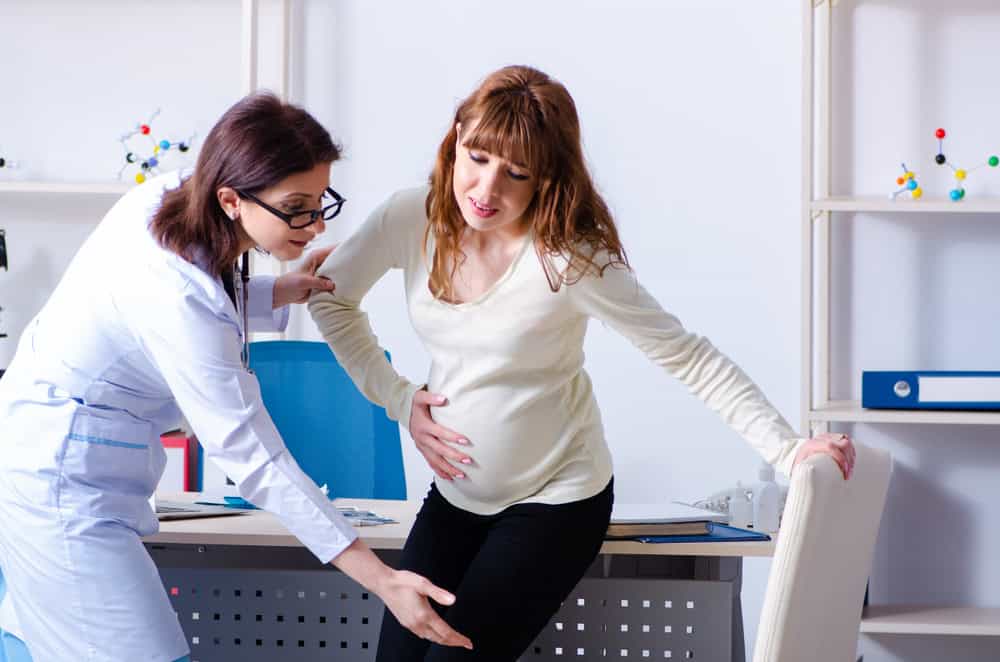
Lower back pain is one of the most common challenges during pregnancy, often affecting your ability to sit, stand, sleep, or move comfortably throughout the day. If your back feels tight, fatigued, or increasingly painful as your pregnancy progresses, this is a sign that your body is adapting to new physical demands. At Pregnancy-Related Pain Treatment, we focus on identifying the exact source of your discomfort and guiding you through a structured plan to reduce pain, restore support, and help you move with confidence.
Why Lower Back Pain Develops During Pregnancy
Your body undergoes significant changes to support your growing baby. These changes affect how your spine, muscles, and joints function together.
As your abdomen expands, your center of gravity shifts forward. To compensate, your lower back often arches more than usual, increasing pressure on the lumbar spine. At the same time, hormonal changes such as increased relaxin reduce joint stiffness, which can lead to less stability in the pelvis and lower back.
Muscles that normally support your spine may become overstretched or less active, particularly the deep core muscles. This combination of increased load and reduced support is what often leads to persistent lower back discomfort.
Common Symptoms You May Experience
Lower back pain during pregnancy can present in different ways depending on the underlying cause and how your body is adapting.
Dull or Aching Pain
You may notice a constant ache in the lower back that becomes more noticeable after long periods of standing or sitting. This is often linked to muscular fatigue and postural strain.
Sharp or Localised Discomfort
Some women experience sharper pain in a specific area of the lower back, particularly during certain movements such as bending, lifting, or turning.
Stiffness and Reduced Mobility
Morning stiffness or difficulty moving after rest is common. This can make simple activities such as getting out of bed or standing up more challenging.
Pain with Daily Activities
Tasks such as walking, climbing stairs, or carrying light items may increase discomfort, especially if your movement patterns have adapted to compensate for weakness or instability.
Key Contributing Factors
Understanding what is driving your pain helps guide the most effective treatment approach.
Postural Changes
An increased curve in the lower back, combined with forward weight shift, places additional stress on the spine and surrounding muscles.
Reduced Core Support
The deep abdominal muscles and pelvic floor play a key role in supporting the spine. During pregnancy, these muscles may not function as effectively, reducing stability.
Pelvic Instability
Increased joint mobility in the pelvis can lead to uneven load distribution, placing extra strain on the lower back.
Muscle Imbalances
Certain muscles may become overactive while others weaken, creating inefficient movement patterns that contribute to pain.
How Lower Back Pain Affects Daily Life
Lower back pain is not only physical. It can affect how you move, rest, and feel throughout the day.
You may find it harder to maintain comfortable positions at work, struggle with sleep due to discomfort, or feel hesitant to stay active. Over time, this can lead to reduced confidence in movement and increased fatigue.
Addressing these symptoms early helps prevent them from becoming more limiting as your pregnancy progresses.
Assessment and Personalised Care
Your first step is a detailed assessment to understand how your body is moving and where strain is occurring. This includes evaluating posture, core activation, joint stability, and functional movement patterns.
This process allows us to identify the root cause of your pain rather than only addressing the symptoms. Your treatment plan is then tailored to your body, your stage of pregnancy, and your daily demands.
Targeted Treatment Approach
Effective management of lower back pain during pregnancy focuses on restoring balance, improving support, and reducing unnecessary strain.
Core Activation and Support
You will be guided through safe, pregnancy-appropriate exercises to activate the deep core muscles. This improves spinal support and reduces pressure on the lower back.
Postural Correction
Small adjustments in how you sit, stand, and move can significantly reduce strain. You will learn how to position your body to support your spine more effectively.
Movement Re-education
Everyday movements such as bending, lifting, and getting in and out of bed are reviewed and adjusted to minimise discomfort and protect your back.
Manual Therapy
Hands-on techniques may be used to reduce muscle tension, improve joint mobility, and relieve areas of tightness contributing to pain.
Activity and Load Management
You will receive clear guidance on how to balance activity and rest, helping you stay active without overloading your body.
Practical Strategies for Daily Relief
In addition to structured treatment, simple daily adjustments can support your recovery and improve comfort.
Sleep Positioning
Side sleeping with a pillow between your knees can reduce strain on the lower back and pelvis. Additional support under the abdomen may also help.
Workstation Setup
If you sit for long periods, ensure your chair supports your lower back and that your screen is at eye level. Regular movement breaks are essential.
Footwear Choices
Supportive shoes help maintain proper alignment and reduce stress on the lower back, especially during prolonged standing or walking.
Gentle Movement
Regular, controlled movement helps prevent stiffness and supports circulation. Avoid long periods in one position where possible.
When to Seek Professional Support
If your pain is persistent, worsening, or limiting your ability to carry out daily activities, it is important to seek professional guidance.
Early intervention allows for a more targeted approach, helping you avoid compensatory patterns that can lead to further discomfort. It also provides reassurance that your symptoms are being managed safely and effectively.
What Progress Looks Like
With the right plan, most women begin to notice improvement within a few sessions. This may include reduced pain intensity, improved mobility, and greater confidence in movement.
Progress depends on several factors including the cause of your pain, your stage of pregnancy, and consistency with your programme. The focus remains on steady, measurable improvement rather than quick fixes.
Conclusion
Lower back pain during pregnancy is common, but it should not define your experience. With a clear understanding of the cause and a structured plan to address it, you can reduce discomfort and move with greater ease.
If your back pain is affecting your daily life, the next step is simple. Book an assessment and let us guide you through a personalised approach that supports your body, restores movement, and helps you stay active and confident throughout your pregnancy.
