
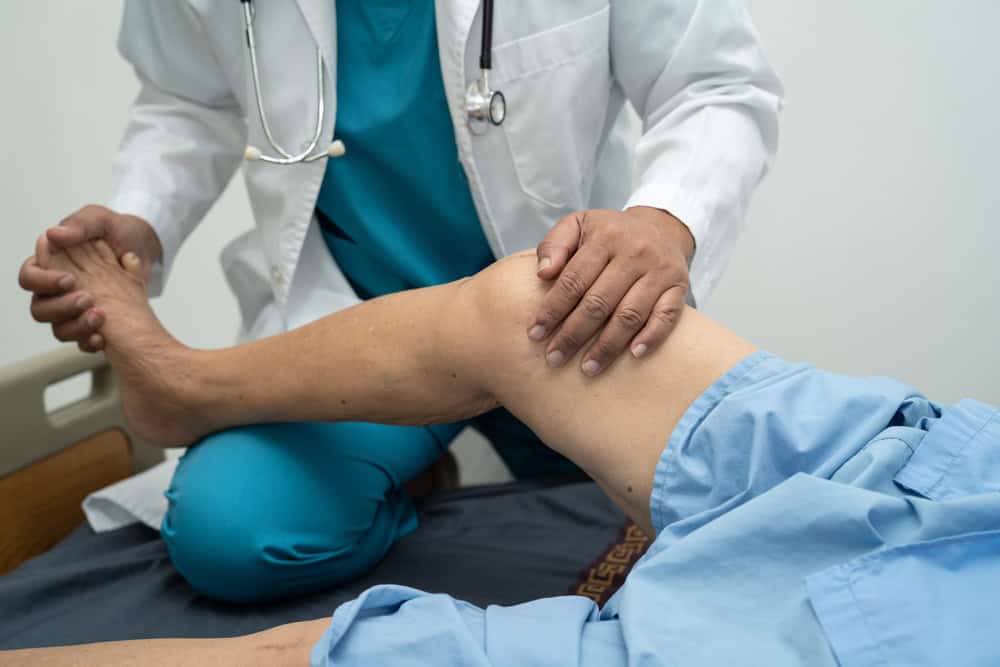
When joint pain makes movement harder, body weight often becomes a sensitive but important part of the conversation, which is why weight management is addressed carefully within Arthritis / Osteoarthritis Physiotherapy, focusing on joint load reduction, functional improvement, and sustainable habits rather than quick fixes.
How body weight affects osteoarthritis
Osteoarthritis is influenced by how much load passes through a joint and how well that load is controlled. Body weight directly affects this load, particularly in weight-bearing joints such as the knees, hips, ankles, and spine.
Each step you take multiplies body weight through the joints. Even small changes in weight can meaningfully alter the stress placed on joint surfaces during walking, stairs, and standing.
Why weight management reduces joint pain
Reducing excess load improves joint tolerance and symptom behaviour.
Lower mechanical stress
Less weight passing through a joint reduces compression and irritation, often leading to improved comfort during daily activities.
Improved movement efficiency
When joints are under less load, muscles can work more effectively, improving walking quality, balance, and endurance.
Reduced flare frequency
Lower cumulative joint stress often results in fewer and less intense pain flares over time.
Weight management is not about rapid loss
In osteoarthritis care, the goal is not aggressive or rapid weight loss. Sudden changes often reduce muscle mass, energy levels, and recovery capacity, which can worsen joint symptoms.
Sustainable, gradual change supports joint health while preserving strength and function.
The role of muscle in weight and joint health
Muscle mass plays a protective role in osteoarthritis.
Muscle as joint support
Strong muscles absorb load and stabilise joints. Preserving muscle while managing body weight is essential for reducing joint stress.
Why under-eating can backfire
Restrictive diets can reduce muscle strength and energy, increasing joint strain and fatigue during movement.
Combining movement and weight management
Movement is a key part of sustainable weight management, even when joints are painful.
Low-impact activity
Walking, cycling, pool-based exercise, and controlled strengthening allow calorie use and muscle maintenance without excessive joint stress.
Consistency over intensity
Regular, moderate activity supports long-term weight stability more effectively than sporadic high-effort sessions.
Nutrition considerations for osteoarthritis
Nutrition supports energy levels, muscle health, and recovery.
Balanced intake
Regular meals with adequate protein support muscle maintenance and activity tolerance.
Avoiding extremes
Highly restrictive or unbalanced diets often increase fatigue and reduce rehabilitation progress.
Psychological aspects of weight and pain
Chronic pain can influence appetite, motivation, and confidence in movement. Weight management should be approached without blame or pressure.
Supportive guidance focuses on capability and health rather than numbers alone.
Small changes, meaningful impact
Even modest weight changes can significantly reduce joint load. Progress does not require dramatic transformation to be effective.
Small, repeatable habits often produce the most reliable improvements in joint comfort and function.
Weight management during pain flares
Pain flares can temporarily reduce activity levels.
Maintaining gentle movement
Light activity and mobility help prevent rapid deconditioning and weight fluctuation.
Adjusting expectations
Flares are not setbacks. Temporary changes are part of long-term management.
Long-term benefits beyond pain
Weight management supports cardiovascular health, energy levels, sleep quality, and overall resilience. These factors indirectly influence pain perception and recovery.
Improved general health enhances tolerance to rehabilitation and daily activity.
Individualised approach matters
Weight management strategies should reflect your joint involvement, lifestyle, work demands, and personal preferences.
There is no single approach that suits everyone. Plans should feel realistic and supportive rather than restrictive.
What progress looks like
Progress may include improved walking comfort, easier stairs, reduced fatigue, and greater confidence in movement. Pain reduction often follows as joint load tolerance improves.
Success is measured through function and quality of life, not the scale alone.
Next step
If joint pain has made weight management feel challenging or confusing, a structured assessment can help identify safe movement strategies and realistic lifestyle adjustments.
Weight management in osteoarthritis is about supporting your joints, preserving strength, and creating sustainable habits that allow you to move with greater comfort and confidence over time.
