
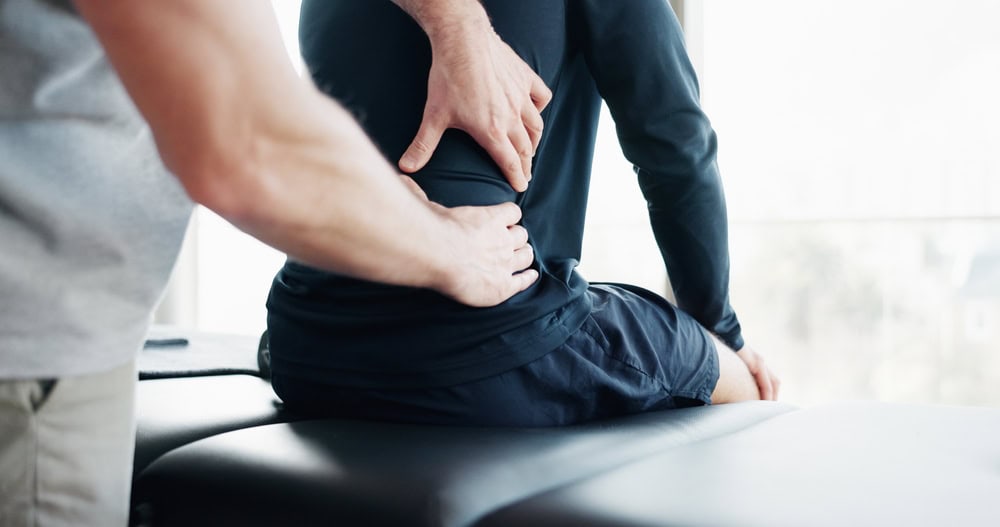
Back pain often brings stiffness, guarded movement, and a sense that the spine will not move freely or comfortably. Many people seek hands-on care because movement feels limited or painful, especially during flare-ups or after prolonged postures. Manual therapy can play a valuable role in reducing discomfort and restoring movement when used appropriately and in context. Within Back Pain Physiotherapy, manual therapy is applied as a supportive tool to improve movement quality and prepare the body for active rehabilitation, not as a standalone solution.
What manual therapy aims to achieve
Manual therapy refers to hands-on techniques applied to joints, muscles, and surrounding tissues to improve movement and reduce pain. The primary goal is to restore comfortable motion and reduce protective muscle guarding.
These techniques influence both mechanical and nervous system responses. By improving how tissues move and how the body perceives movement, manual therapy can reduce sensitivity and improve confidence.
The aim is not to force change, but to create conditions where movement feels safer and easier.
Manual therapy is not just about joints
Back pain rarely originates from one structure alone. Muscles, joints, connective tissue, and the nervous system all contribute.
Manual therapy addresses this complexity by targeting restricted joints, tense muscles, and sensitive tissues together. This integrated approach improves overall movement rather than focusing narrowly on one area.
Understanding which tissues require input is guided by assessment, not routine application.
Joint mobilisation techniques
Joint mobilisation involves gentle, controlled movements applied to spinal joints within a comfortable range. These movements aim to reduce stiffness and improve joint glide.
Mobilisation can help restore movement that has been limited by pain, inactivity, or protective guarding. Improved joint motion often reduces strain on surrounding tissues.
These techniques are graded to match your tolerance and symptoms, ensuring comfort and safety.
Soft tissue techniques for muscle tension
Muscle tension commonly accompanies back pain as the body attempts to protect sensitive areas. Sustained tension reduces circulation and limits movement.
Soft tissue techniques target areas of increased tone, helping muscles relax and move more freely. This reduces resistance during movement and improves comfort.
Relief from muscle tension often allows more effective participation in exercise and functional training.
Myofascial techniques and tissue glide
Connective tissue plays a key role in movement efficiency. When fascia becomes restricted, movement feels tight or uncomfortable.
Myofascial techniques use sustained pressure to encourage tissue glide and reduce sensitivity. These techniques work gradually rather than through force.
Improved tissue mobility supports smoother movement patterns and reduced strain during daily activity.
Neurodynamic considerations
Back pain may involve increased sensitivity of neural tissues. Manual techniques can be applied carefully to support nerve mobility and reduce protective responses.
The focus is on restoring normal movement rather than stretching nerves aggressively. Comfort and response guide application.
This approach is particularly relevant when symptoms include radiating discomfort or altered sensation.
Why manual therapy alone is not enough
While manual therapy can reduce pain and stiffness, its effects are often temporary if not followed by active rehabilitation.
Without retraining movement and strength, the body tends to return to previous patterns that contributed to pain.
Manual therapy is most effective when used to create a window of opportunity for exercise, education, and movement retraining.
How manual therapy supports active rehabilitation
Reducing pain and stiffness allows movement to be reintroduced more confidently. Exercises become more comfortable and effective.
Manual therapy can help improve awareness of movement, making it easier to correct patterns and build control.
This combination accelerates progress and supports longer-lasting outcomes.
Individualising manual therapy application
No two people respond the same way to hands-on techniques. Factors such as pain sensitivity, injury history, and personal comfort influence response.
Assessment determines which techniques are appropriate, how much pressure to apply, and how frequently treatment should occur.
Clear communication ensures techniques remain within your tolerance and aligned with your goals.
What manual therapy should feel like
Manual therapy should feel controlled and purposeful. Mild discomfort may occur, but treatment should not feel aggressive or overwhelming.
Excessive pain during treatment often increases muscle guarding and limits benefit.
Comfortable input supports relaxation and improved movement response.
Managing expectations and timelines
Manual therapy often provides short-term symptom relief, which supports engagement in rehabilitation.
Long-term improvement depends on consistency with exercise and movement strategies introduced alongside treatment.
Progress is measured by improved movement, reduced symptom reactivity, and increased confidence rather than immediate pain elimination.
Manual therapy during acute flare-ups
During acute pain episodes, manual therapy may help calm symptoms and reduce protective muscle tension.
Techniques are selected to avoid aggravating sensitive tissues while supporting gentle movement.
This approach helps maintain function without reinforcing rest or avoidance.
Manual therapy in persistent back pain
In long-standing pain, manual therapy can help reduce sensitivity and improve movement tolerance.
It also supports reassurance, helping patients experience movement without fear.
Combined with education and graded activity, it contributes to rebuilding confidence.
Safety and clinical reasoning
Manual therapy is applied based on clinical findings and red flag screening.
It is not appropriate for all presentations, and safety considerations guide decision making.
Clear assessment ensures that hands-on techniques are used appropriately and effectively.
Your next step
If back pain has been limiting your movement or comfort, manual therapy may be a helpful part of your recovery when combined with active care. A comprehensive assessment can determine whether hands-on techniques are appropriate and how they fit into a structured rehabilitation plan. With clear guidance, targeted treatment, and progressive movement, manual therapy can support reduced pain, improved mobility, and a confident return to daily activity. Booking an assessment provides clarity and a plan focused on meaningful, lasting improvement.
