
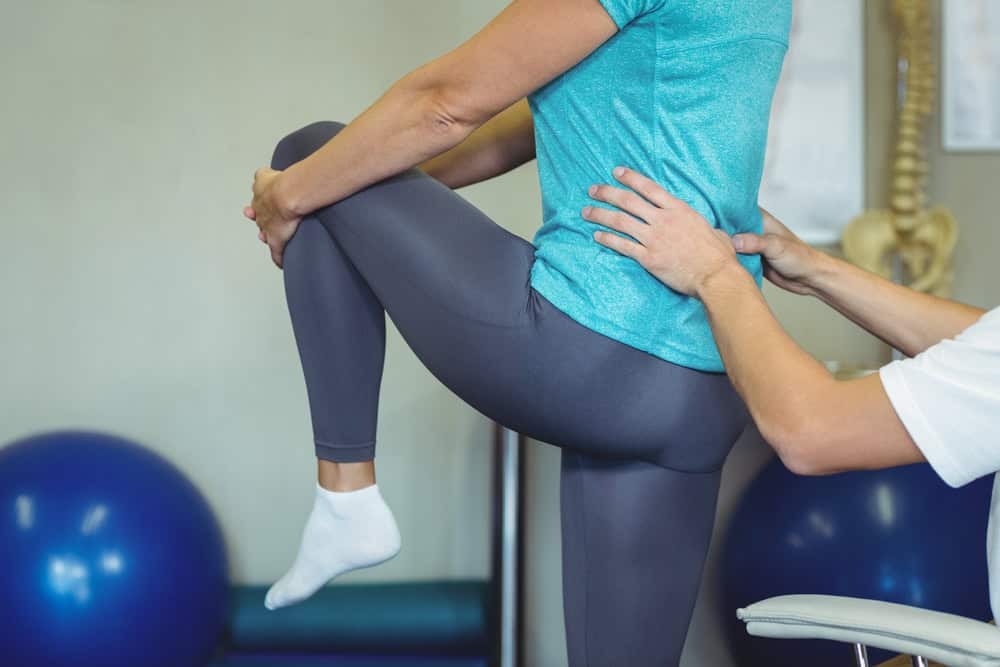
Lower back pain often creates a feeling of tightness and restriction that makes movement uncomfortable or uncertain. Many people instinctively turn to stretching, hoping to relieve tension and regain flexibility. When used correctly, stretching can reduce discomfort, improve movement confidence, and support recovery. When used incorrectly or without context, it can aggravate symptoms. This is why Back Pain Physiotherapy views stretching as one part of a structured plan that restores movement quality rather than forcing flexibility.
Why stretching can help lower back pain
Lower back pain is often influenced by muscle tension, reduced mobility, and protective guarding. Stretching helps reduce excessive muscle tone and improves the ability of tissues to move smoothly.
When muscles and surrounding tissues are less tense, the spine experiences lower mechanical stress during daily activities. This can reduce pain and stiffness, particularly after prolonged sitting or rest.
Stretching also provides sensory input that helps calm the nervous system, which is especially important when pain has led to fear or movement avoidance.
Stretching versus forcing flexibility
Effective stretching is gentle and controlled. Forcing end-range positions or pushing through pain often increases muscle guarding and irritation.
The goal is not to maximise range but to restore comfortable movement. Stretching should feel relieving, not threatening.
Pain during stretching is a signal to modify intensity or position rather than push further.
Key muscle groups influencing lower back pain
Lower back discomfort is often influenced by tissues beyond the spine itself. Tight hip flexors can increase strain on the lumbar spine, particularly during prolonged sitting.
Hamstring tension can limit hip movement, causing the lower back to compensate during bending or reaching.
Gluteal and deep hip muscles also play a role in spinal load distribution. Addressing these areas through targeted stretching can reduce unnecessary stress on the lower back.
Stretching and movement patterns
Stretching is most effective when it complements improved movement patterns. If tightness is caused by repeated poor mechanics, stretching alone provides only temporary relief.
For example, stretching the lower back without addressing how you sit or lift often leads to recurring tension. Stretching prepares tissues for movement but does not replace strength or control.
Integrating stretching with movement education improves long-term outcomes.
When stretching is most helpful
Stretching is particularly beneficial when pain is associated with stiffness, prolonged postures, or reduced activity levels.
It can help ease morning stiffness, improve comfort after long workdays, and support return to gentle activity.
Stretching is also valuable during recovery phases when movement tolerance is improving but remains limited.
When stretching may not be appropriate
In acute pain stages, aggressive stretching can irritate sensitive tissues. Pain linked to inflammation or nerve sensitivity may worsen with excessive stretch.
Stretching should also be approached cautiously when pain is sharp, progressive, or accompanied by neurological symptoms.
Assessment ensures stretching is applied at the right time and intensity.
How to approach a safe stretching routine
Effective routines are simple, consistent, and tailored to your symptoms. Stretches are held within a comfortable range and combined with slow breathing.
Short, frequent sessions are more beneficial than occasional long routines. This approach improves tissue tolerance without overload.
Stretching should leave you feeling looser and more confident, not sore or unstable.
The role of breathing during stretching
Breathing influences muscle tension and stretch tolerance. Shallow or held breathing increases protective responses.
Slow, controlled breathing during stretching helps reduce unnecessary tension and supports relaxation.
This combination improves the effectiveness of each stretch and supports overall pain reduction.
Stretching as part of rehabilitation
Stretching supports rehabilitation by improving movement readiness. It prepares tissues for strengthening and functional exercises.
When paired with strengthening and stabilisation, stretching helps create balance between mobility and control.
This integrated approach reduces the risk of recurrence and supports long-term back health.
Measuring progress beyond flexibility
Progress is not measured solely by how far you can stretch. Improved comfort, reduced stiffness, and better tolerance to daily activities are more meaningful indicators.
You may notice easier transitions from sitting to standing, improved walking comfort, or reduced reliance on pain-relieving positions.
These functional changes reflect effective use of stretching within a broader plan.
Common mistakes to avoid
Stretching only the lower back without addressing surrounding areas often limits results.
Another common mistake is inconsistent practice. Benefits accumulate through regular application rather than occasional sessions.
Finally, copying generic routines without considering your specific pain pattern can lead to frustration.
Your next step
If lower back pain has been accompanied by stiffness or tightness, a guided stretching routine may support your recovery when applied correctly. The next step is an assessment to determine which tissues require mobility and how stretching fits into your overall plan. With clear guidance and progression, stretching can help reduce discomfort, restore movement confidence, and support lasting improvement. Booking an assessment provides clarity and ensures your efforts lead to meaningful results.
