
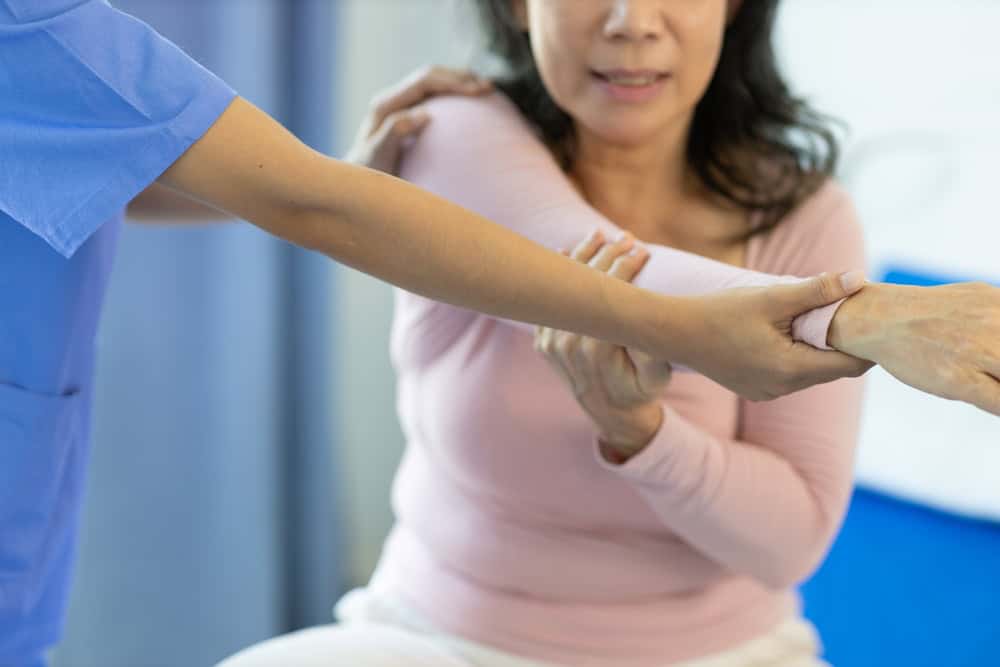
Elbow pain is often assumed to be a muscle or tendon issue, but in some cases the source is nerve irritation or compression. When pain is accompanied by tingling, numbness, weakness, or symptoms that travel into the forearm or hand, nerve involvement should be considered. Many people explore Elbow Pain Physiotherapy when symptoms feel unclear or inconsistent. At Adam Vital Physiotherapy & Rehabilitation Center, we take nerve-related elbow pain seriously and assess it carefully so treatment is accurate, calm, and effective.
Understanding Nerve Entrapment Around the Elbow
Nerves travel from the neck, through the shoulder and arm, and past the elbow into the hand. Along this path, they pass through narrow spaces where they can become irritated or compressed. When this happens near the elbow, symptoms may appear locally or further down the arm.
Nerve entrapment does not always mean permanent damage. In many cases, the nerve is sensitive due to mechanical irritation, prolonged pressure, or reduced movement freedom. Identifying the exact location and cause of irritation is key to recovery.
Common Nerves Affected at the Elbow
Several major nerves pass close to the elbow and can contribute to pain or altered sensation.
Ulnar Nerve
The ulnar nerve runs along the inner side of the elbow, often referred to as the funny bone area. Irritation here can cause pain on the inner elbow, tingling or numbness in the ring and little fingers, and weakness with gripping or finger coordination.
Prolonged elbow bending, leaning on the elbow, or repetitive movements can increase irritation.
Radial Nerve
The radial nerve passes along the outer elbow and into the forearm. When irritated, it may cause aching or burning pain around the outer elbow and forearm, sometimes mimicking tendon-related pain.
Symptoms may worsen with repetitive wrist or finger movements and can be difficult to distinguish without proper assessment.
Median Nerve
Although more commonly associated with wrist symptoms, the median nerve can also be affected higher up near the elbow. This may lead to forearm discomfort, weakness, or altered sensation in the thumb and first fingers.
Symptoms That Suggest Nerve Involvement
Nerve-related elbow pain often feels different from muscle or tendon pain. Common features include tingling, pins and needles, numbness, burning sensations, or pain that travels rather than staying in one spot.
You may also notice weakness, clumsiness, or symptoms that worsen with sustained positions such as prolonged desk work or sleeping with the elbow bent.
Why Nerve Entrapments Develop
Nerve irritation around the elbow can develop for several reasons. Prolonged pressure on the elbow, repetitive movements, reduced joint mobility, or swelling from injury can all contribute.
Poor posture, especially involving the neck and shoulder, may increase nerve tension further up the chain. In some cases, previous injury or surgery alters the local environment around the nerve.
Importantly, nerve symptoms can coexist with tendon or joint issues, which is why a clear diagnosis is essential.
Our Assessment Approach
Assessment begins with listening carefully to your symptoms. The pattern, timing, and nature of discomfort provide important clues.
Physical assessment includes testing nerve sensitivity, strength, reflexes, and movement patterns. We assess the elbow, forearm, shoulder, and neck to identify where irritation is occurring and what is contributing to it.
This thorough approach helps distinguish nerve entrapment from tendon overload, joint irritation, or referred pain.
Physiotherapy Management of Nerve-Related Elbow Pain
Treatment focuses on reducing nerve irritation, restoring movement freedom, and addressing contributing factors rather than masking symptoms.
Reducing Mechanical Irritation
We identify positions and activities that increase nerve stress and guide you on modifying them. This may include changes to work posture, sleep positions, or activity habits.
Restoring Movement and Nerve Mobility
Gentle, guided movements are used to improve how the nerve glides through surrounding tissues. These are carefully dosed to avoid provoking symptoms.
Joint and soft tissue techniques may also be used to reduce restriction around the nerve pathway.
Strengthening and Postural Support
Improving strength and control in the shoulder, upper back, and forearm can reduce unnecessary tension on the nerve. Exercises are introduced gradually and tailored to your tolerance.
What to Expect During Recovery
Nerve symptoms often fluctuate during recovery. Some days feel better than others, especially early on. This does not mean treatment is failing.
Improvement is measured through reduced symptom frequency, improved tolerance to positions or tasks, and restored confidence in using the arm.
Recovery timelines vary depending on how long symptoms have been present and how consistently contributing factors are addressed.
When Further Investigation Is Needed
If symptoms are severe, progressive, or associated with significant weakness, further medical investigation may be required. We communicate clearly when referral or additional testing is appropriate.
Our role is to guide you honestly and supportively, ensuring you feel informed at every step.
Supporting Modern Lifestyles in Dubai
Dubai’s work and lifestyle demands often involve prolonged sitting, device use, and repetitive tasks. These can increase nerve sensitivity if not managed well.
At Adam Vital Physiotherapy & Rehabilitation Center, care is adapted to your routine. We focus on realistic strategies that support recovery without unnecessary disruption.
Conclusion and Next Step
Elbow pain related to nerve entrapment can be unsettling, especially when symptoms travel or feel unpredictable. With accurate assessment and targeted care, most nerve-related elbow issues can be managed effectively.
If elbow pain is accompanied by tingling, numbness, or weakness, the next step is a professional assessment. Book an appointment with Adam Vital Physiotherapy & Rehabilitation Center to receive a clear, evidence-based plan focused on nerve health, function, and confident movement.
