Weak or underprepared forearm muscles often sit quietly behind persistent elbow pain, reduced grip strength, or repeated flare-ups during work or sport. Many people explore Elbow Pain Physiotherapy when discomfort limits daily tasks, but lasting improvement depends on restoring strength and load tolerance through the forearm. At Adam Vital Physiotherapy & Rehabilitation Center, forearm strengthening is not generic exercise. It is a structured, progressive process designed to support recovery, improve function, and protect the elbow long term.
Why Forearm Strength Matters
The forearm muscles play a central role in gripping, lifting, typing, carrying, and sporting movements. They act as force transmitters between the hand and the elbow. When these muscles are weak, fatigued, or poorly conditioned, excess load is transferred to the tendons around the elbow, increasing the risk of pain and overuse injuries.
Strengthening the forearm is not about building size or pushing heavy loads early. It is about improving the tissue’s ability to handle repeated stress safely and efficiently, especially during real-life activities.
Common Problems Linked to Forearm Weakness
Reduced forearm strength often contributes to elbow pain conditions, grip fatigue, and difficulty performing everyday tasks. People may notice pain when opening jars, lifting bags, or using tools. Athletes may experience reduced performance, early fatigue, or recurring elbow symptoms despite rest.
In many cases, the issue is not a lack of effort but a lack of targeted, progressive loading. Random exercises or stopping activity altogether rarely restore proper strength or confidence.
How We Assess Forearm Strength
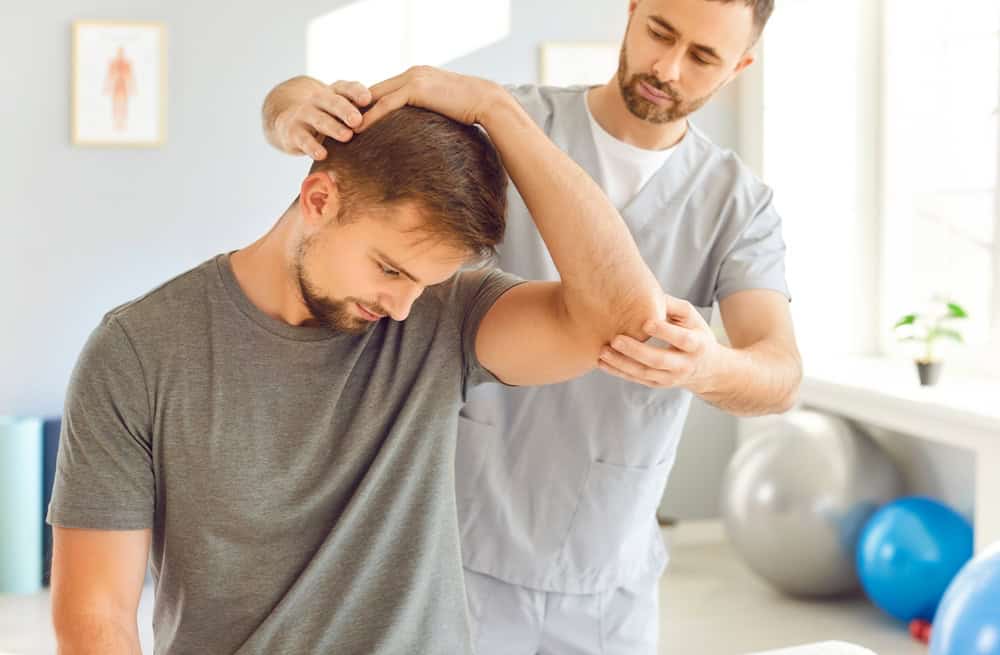
Effective strengthening starts with understanding your current capacity. We assess grip strength, wrist movement, endurance, and how the forearm muscles respond to load. This is combined with an evaluation of elbow, shoulder, and upper limb function to identify where compensation may be occurring.
We also consider how you use your arms daily. This may include desk work, manual labour, gym training, or sport-specific movements. The goal is to match strengthening to real demands, not isolated muscle testing alone.
Principles of Safe Forearm Strengthening
Forearm strengthening must be progressive and symptom-guided. Tendons and muscles adapt when load is applied consistently and appropriately. Too little load leads to weakness, while too much too soon increases irritation.
Gradual Load Progression
Exercises are introduced at a level your tissues can tolerate. This may begin with controlled movements using light resistance or body weight. Load is increased gradually as strength and tolerance improve, ensuring progress without unnecessary setbacks.
Controlled Movement Quality
How you perform an exercise matters as much as the exercise itself. Slow, controlled movements improve tendon response and muscle coordination. We prioritise technique to ensure the forearm muscles, not compensating structures, are doing the work.
Consistency Over Intensity
Regular, well-planned sessions are more effective than occasional high-intensity efforts. Consistency allows the forearm tissues to adapt steadily, reducing pain and improving resilience over time.
Key Areas of Forearm Strengthening
Forearm rehabilitation targets multiple muscle groups to support balanced function around the elbow and wrist.
Wrist Flexors and Extensors
These muscles control wrist bending and straightening and are heavily involved in gripping tasks. Strengthening them improves load distribution at the elbow and supports daily activities such as lifting, typing, and carrying.
Grip Strength and Endurance
Grip strength is essential for both functional independence and athletic performance. Training focuses not only on maximum strength but also endurance, allowing you to sustain activity without early fatigue or pain.
Forearm Rotation Control
Muscles responsible for turning the palm up and down play a key role in tool use, lifting, and sport. Improving control and strength in these movements reduces strain during repetitive tasks.
Integrating Forearm Strength With Whole-Arm Function
Forearm muscles do not work in isolation. Weakness or poor control at the shoulder or upper back can overload the forearm and elbow. For this reason, strengthening is often combined with shoulder stability and upper limb coordination exercises.
This integrated approach improves force transfer through the arm, reducing unnecessary stress at the elbow and improving overall movement efficiency.
What to Expect During the Strengthening Process
Mild discomfort during or after exercises can be normal, especially early in rehabilitation. This does not mean harm. We guide you on what level of sensation is acceptable and what signals the need to adjust load or technique.
Many people begin noticing improved grip strength and reduced pain within a few weeks. However, meaningful tendon and muscle adaptation takes time. Consistent practice and gradual progression are key to lasting results.
Common Mistakes to Avoid
One common mistake is stopping all activity out of fear of pain. This often leads to further weakness and delayed recovery. Another is returning to heavy loads too quickly once pain settles, increasing the risk of recurrence.
Unstructured exercise routines found online may not match your condition or daily demands. Individual guidance ensures exercises are appropriate, safe, and effective.
Supporting Recovery and Performance in Dubai
Dubai’s busy and active environment places high demands on the upper limbs, from long working hours to regular fitness training. Your strengthening plan should reflect these realities.
At Adam Vital Physiotherapy & Rehabilitation Center, we provide dedicated time, precise assessment, and tailored progression. We explain what you are doing, why it matters, and how it supports your recovery and performance goals.
Conclusion and Next Step
Strengthening the forearm muscles is a cornerstone of elbow health, injury recovery, and long-term performance. With the right progression and guidance, forearm strength can be restored safely and confidently.
If weakness, pain, or reduced grip has been holding you back, the next step is a professional assessment. Book an appointment with Adam Vital Physiotherapy & Rehabilitation Center to begin a clear, evidence-based strengthening plan focused on function, resilience, and measurable progress.
