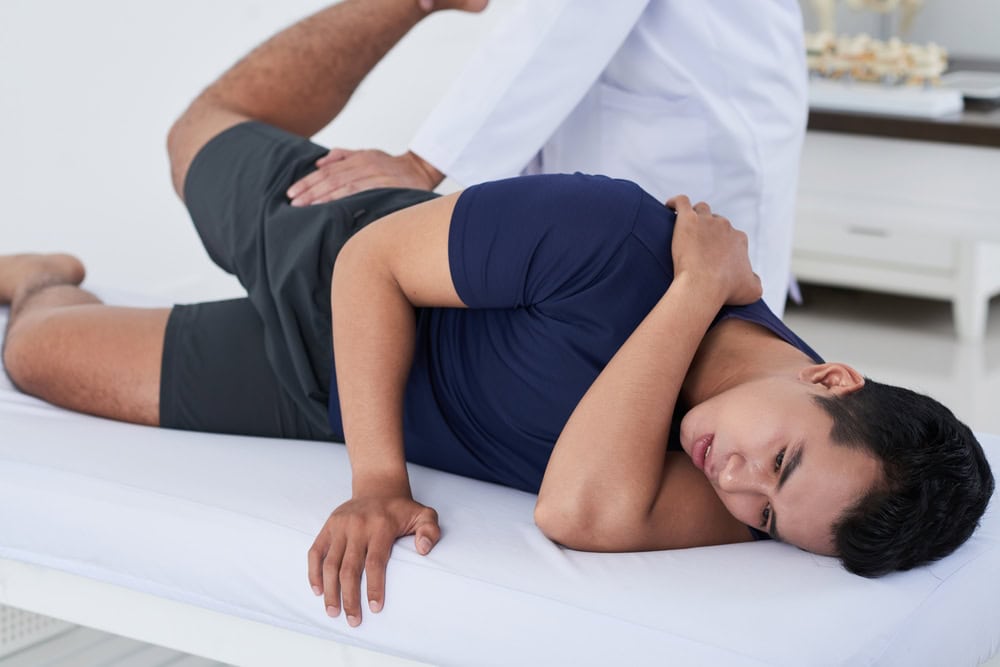
If hip discomfort is limiting your walking, training, or daily movement, improving glute strength is often a critical part of recovery. Within a structured Hip Pain Physiotherapy plan, strengthening the gluteal muscles supports joint stability, reduces overload on irritated tissues, and restores confident movement. The goal is not simply stronger muscles, but better control, endurance, and performance.
Why the Glutes Matter for Hip Health
Your gluteal muscles, including gluteus maximus, medius, and minimus, play a central role in stabilising the pelvis and controlling hip movement. Every step you take requires these muscles to keep your pelvis level and your thigh aligned. When they are weak or poorly activated, other structures such as tendons, bursae, or the hip joint itself absorb more stress.
This imbalance can contribute to outer hip pain, groin discomfort, lower back strain, and even knee issues. Strengthening the glutes improves load distribution, protects the hip joint, and enhances movement efficiency.
Common Signs of Glute Weakness
You may notice hip pain when standing on one leg, climbing stairs, or running. Some people experience discomfort when lying on their side or after long periods of sitting. Others develop recurring tightness in the hip flexors or lower back because these muscles compensate for weak glutes.
In athletes, glute weakness can reduce sprint speed, jump height, and cutting ability. In busy professionals, it may lead to gradual onset hip or back discomfort due to prolonged sitting and reduced muscle activation.
Assessment Before Strengthening
Effective strengthening begins with assessment. At Adam Vital Physiotherapy & Rehabilitation Center, we evaluate your hip range of motion, muscle activation patterns, pelvic control, and movement mechanics. This allows us to identify whether weakness, poor endurance, or delayed activation is contributing to your symptoms.
Targeted treatment ensures that exercises address the root cause rather than simply adding load without control.
Key Glute Muscles and Their Roles
Gluteus Maximus
This is the largest and most powerful glute muscle. It drives hip extension, helping you stand up from a chair, climb stairs, and accelerate during running. Weakness here can reduce power and increase stress on the lower back.
Gluteus Medius
Gluteus medius stabilises the pelvis during single leg activities such as walking and running. Poor strength or endurance in this muscle often contributes to outer hip pain and knee misalignment.
Gluteus Minimus
This deeper muscle supports fine control of hip movement and works closely with gluteus medius to maintain pelvic balance.
Principles of Effective Glute Strengthening
Activation First
Many individuals struggle to properly activate their glutes. Early stage exercises focus on awareness and correct muscle engagement. Simple drills such as supported bridges or side lying contractions retrain neural connection and improve control.
Progressive Loading
Once activation improves, resistance is gradually increased. This may include resistance bands, bodyweight movements, and eventually weighted exercises. Progressive loading ensures tissues adapt safely and sustainably.
Functional Integration
Strength must translate into real movement. Squats, step downs, lunges, and single leg balance drills help integrate glute strength into daily activities and sport specific tasks.
Endurance and Control
For runners and active individuals in Dubai, endurance is as important as peak strength. Exercises are progressed to challenge stability over time, ensuring the glutes can maintain control during prolonged walking or training sessions.
Sample Strengthening Progression
A structured program may begin with glute bridges and side lying hip abduction. As control improves, you may progress to clamshell variations, resisted lateral walks, and step ups. Later stages can include single leg deadlifts, lunges with rotation, and sport specific drills.
Each stage is guided by symptom response and strength testing. The objective is measurable improvement in muscle capacity and movement quality.
How Strengthening Reduces Hip Pain
Stronger glutes reduce compression on the outer hip tendons and bursa. They improve alignment of the femur within the hip socket, decreasing irritation in cases of impingement or labral stress. In osteoarthritis, improved muscular support reduces joint load and enhances function.
Patients often report less pain when walking, greater confidence during exercise, and improved balance once glute strength is restored.
Avoiding Common Mistakes
Overloading too quickly can aggravate symptoms. Performing exercises without correct alignment may reinforce faulty patterns. Ignoring pain signals or skipping rest days can delay progress.
Professional guidance ensures exercises are performed with precision, appropriate load, and safe progression. We monitor technique closely to maximise benefit and minimise risk.
Strengthening for Different Lifestyles
For athletes, strengthening focuses on power, speed, and dynamic control. For busy professionals, the goal may be reducing discomfort from prolonged sitting and improving posture. For postnatal patients, rebuilding pelvic stability and gentle strength is prioritised.
Every plan is tailored to your goals, activity level, and recovery timeline.
What Results to Expect
With consistent training, many patients begin to notice improved stability and reduced discomfort within a few weeks. Long term improvements in strength and performance develop progressively over several months.
Our approach emphasises measurable outcomes such as increased load tolerance, improved balance time, and reduced pain during functional tasks.
Take the Next Step
If hip weakness or pain is affecting your movement, strengthening your glutes may be a key part of the solution. A personalised assessment at Adam Vital Physiotherapy & Rehabilitation Center will clarify what your body needs and how to progress safely. Book your assessment today and start rebuilding strength, stability, and confident movement.
