
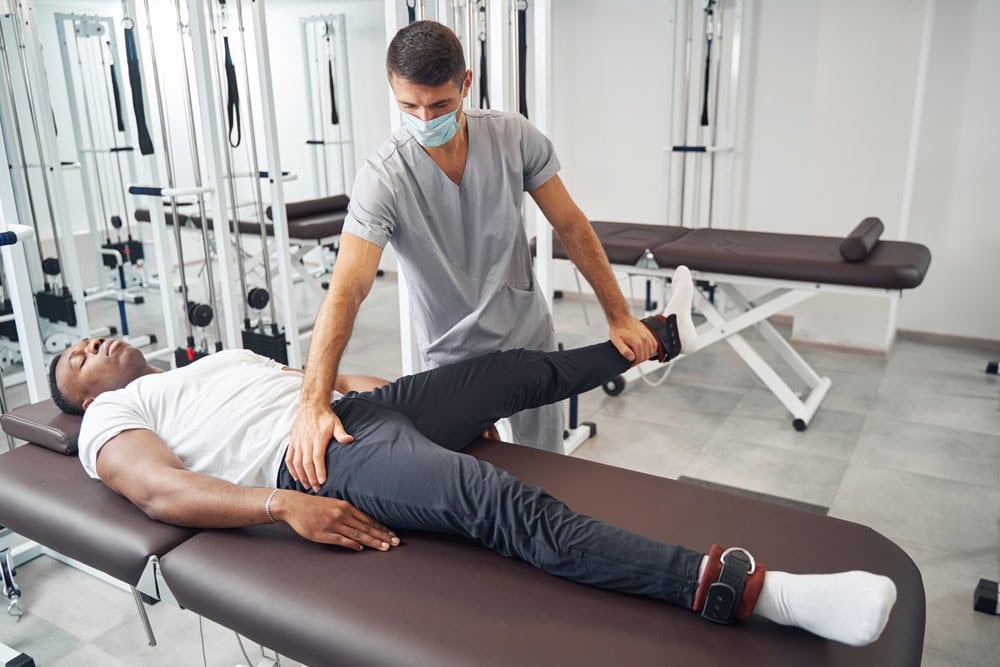
Outer hip pain that worsens when lying on your side, climbing stairs, or standing for long periods may be linked to irritation of the bursa. If you are exploring solutions for this condition, Hip Pain Physiotherapy begins with identifying whether hip bursitis is truly the source of your symptoms and what is driving the irritation. Clear diagnosis leads to targeted treatment and measurable recovery.
What Is Hip Bursitis
A bursa is a small fluid filled sac that reduces friction between tendons, muscles, and bone. Around the hip, the most commonly affected bursa is located on the outer side over the greater trochanter. When this structure becomes irritated, inflamed, or compressed, it can cause persistent lateral hip pain.
Hip bursitis is often part of a broader condition known as greater trochanteric pain syndrome. In many cases, tendon overload or muscle weakness contributes to bursal irritation rather than inflammation alone. This is why accurate assessment is essential before starting treatment.
Common Symptoms of Hip Bursitis
You may feel a deep ache or sharp tenderness on the outside of your hip. Pain often increases when lying on the affected side, walking uphill, climbing stairs, or standing on one leg. Some patients notice discomfort after long periods of sitting followed by standing.
Unlike hip joint arthritis, bursitis typically does not cause significant stiffness inside the joint. The pain is more localised to the outer hip and can sometimes radiate down the outer thigh. Identifying this pattern helps guide appropriate rehabilitation.
Why Hip Bursitis Develops
Gluteal Weakness and Tendon Overload
Weakness in the gluteal muscles reduces pelvic stability during walking and running. This increases compression and friction over the outer hip structures. Over time, the bursa becomes irritated as it attempts to reduce this stress.
Repetitive Strain
Runners, active individuals, and busy professionals who stand for long hours may develop bursitis from repetitive load. Sudden increases in training intensity or changes in footwear can also contribute.
Biomechanical Factors
Leg length differences, altered walking mechanics, or poor hip control can increase strain on the lateral hip. Without correction, symptoms often persist despite rest.
Direct Trauma
A fall onto the side of the hip can directly irritate the bursa. In these cases, pain may begin suddenly and feel tender to touch.
Assessment and Diagnosis
At Adam Vital Physiotherapy & Rehabilitation Center, your assessment focuses on identifying the true source of pain. We evaluate hip strength, pelvic stability, walking mechanics, and tendon load tolerance. Specific tests help differentiate bursitis from gluteal tendinopathy, hip osteoarthritis, or referred pain from the lower back.
Imaging such as ultrasound or MRI is only recommended when clinically necessary. Our priority is a clear functional diagnosis that guides treatment precisely.
How Physiotherapy Supports Recovery
Pain Reduction Strategies
In early stages, treatment may include gentle manual therapy, activity modification, and guidance on sleeping positions to reduce compression on the outer hip. The aim is to calm irritation without complete inactivity.
Targeted Strengthening
Strengthening the gluteal muscles is central to long term recovery. Exercises are progressed gradually to rebuild hip stability and reduce overload on the bursa. This may include side lying work, standing stability drills, and controlled functional movements.
Load Management
We guide you on how to continue daily activities and exercise safely. Rather than complete rest, we adjust load so tissues adapt without further irritation. This balance is key to measurable progress.
Movement Retraining
Improving walking and running mechanics reduces excessive compression on the outer hip. Small adjustments in stride, posture, and muscle activation can significantly change load distribution.
What to Expect During Rehabilitation
Most patients begin noticing improvement within a few weeks when exercises are performed consistently. Recovery timelines depend on how long symptoms have been present and the degree of tendon involvement. Our goal is not only to reduce pain but to restore strength, endurance, and confidence in movement.
You will receive a personalised plan with clear instructions and progression milestones. We track outcomes such as pain levels, functional capacity, and hip strength to ensure your recovery stays on course.
Preventing Recurrence
Once symptoms settle, maintaining hip strength and monitoring training loads are essential. Many cases of recurring bursitis are linked to returning too quickly to high load activities without adequate strength.
We provide guidance tailored to your lifestyle, whether you are a runner, a busy professional, or managing family responsibilities. Sustainable results come from ongoing support and structured progression.
When to Seek Professional Guidance
If outer hip pain has persisted for more than a few days, interferes with sleep, or limits your daily activities, early assessment can prevent chronic irritation. Ignoring symptoms often leads to compensation patterns affecting the lower back or knee.
With precise evaluation and evidence based rehabilitation, most cases of hip bursitis respond well to physiotherapy.
Take the Next Step
Hip bursitis can be frustrating, especially when it limits walking, exercise, or restful sleep. The right approach combines clear diagnosis, targeted strengthening, and supportive guidance. Book an assessment at Adam Vital Physiotherapy & Rehabilitation Center to identify the cause, rebuild stability, and return to movement with confidence.
